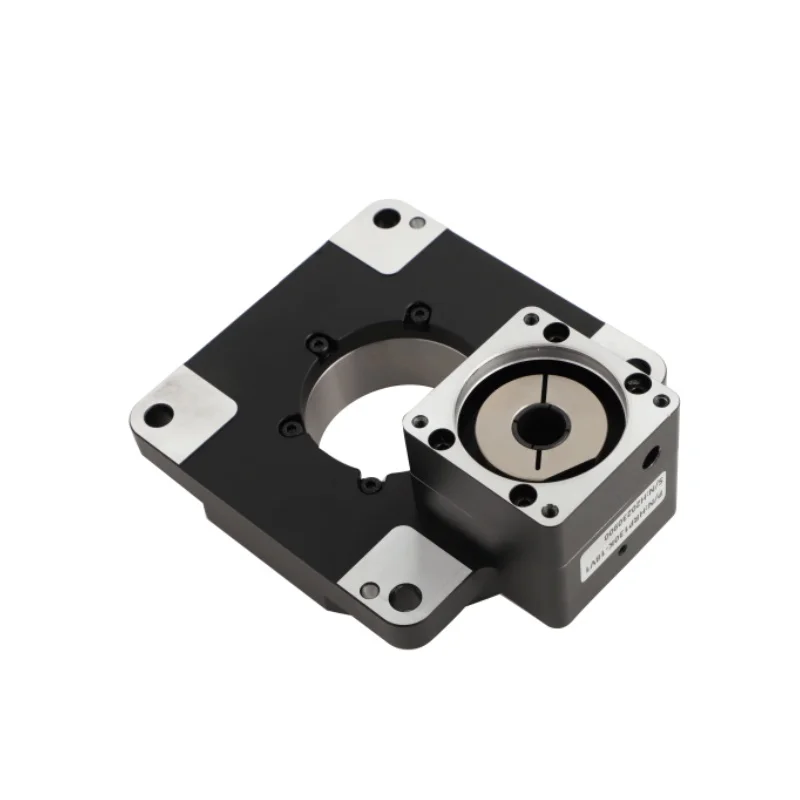
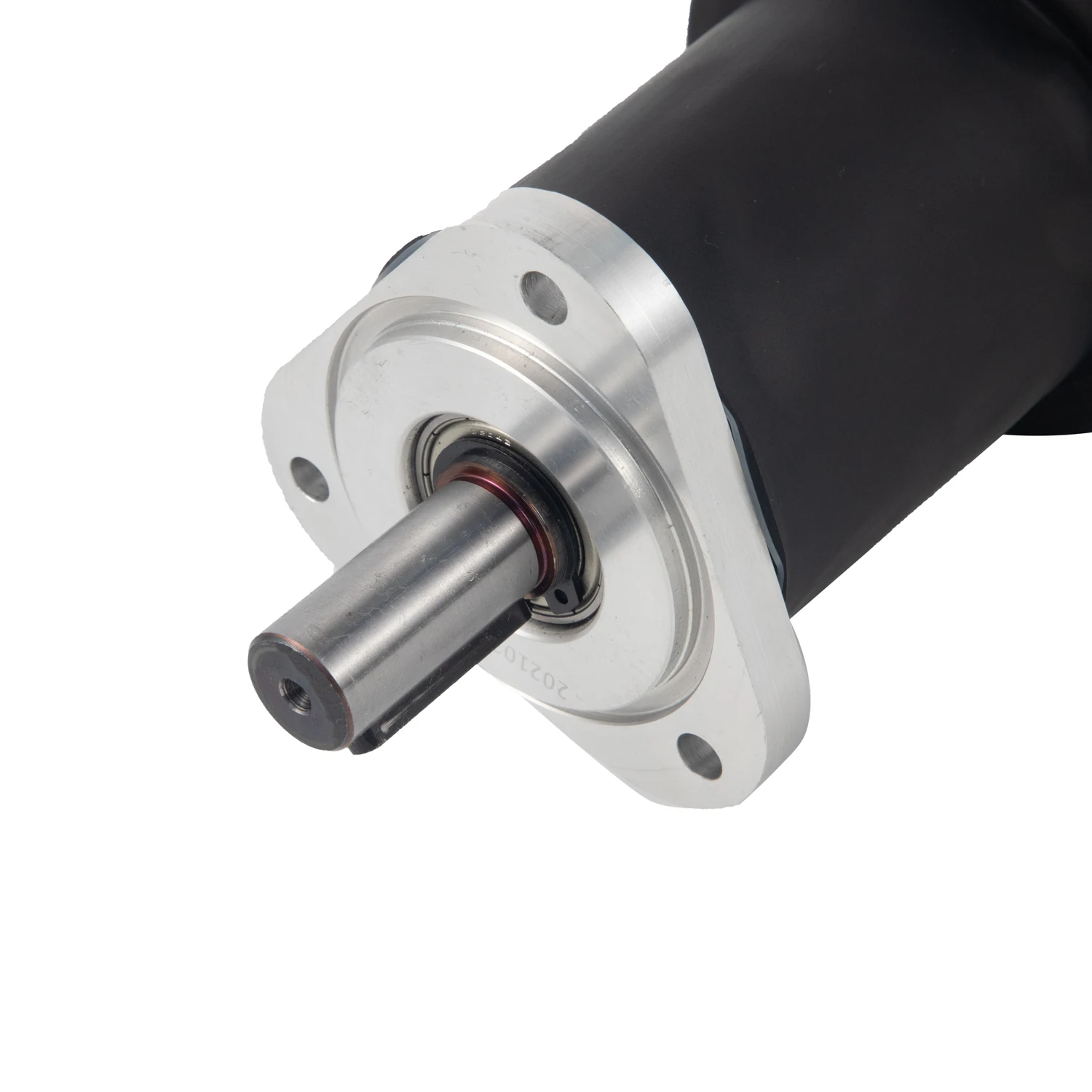
إذا كنت تعتمد على علبة تروس كوكبية في معداتك، فأنت تعلم أن أي خلل مفاجئ يمكن أن يؤدي إلى توقف العمل. إن علبة التروس الكوكبية هي جزء رئيسي يحافظ على سيرورة تشغيل الآلات بسلاسة، وبالتالي فإن معرفة كيفية إصلاح الأعطال الشائعة بسرعة أمر ضروري. ولا تحتاج إلى أن تكون محترفًا للتعامل مع استكشاف الأخطاء الأساسية – فقط بعض الخطوات البسيطة وملاحظة بسيطة. دعونا نستعرض معًا أكثر المشكلات شيوعًا في العلب التروس الكوكبية وكيفية حلها دون تأخيرات غير ضرورية.
أصوات غريبة صادرة من العلبة التروس الكوكبية
أحد أولى العلامات التي تشير إلى وجود مشكلة في علبة التروس الكوكبية هي الأصوات غير المعتادة. إذا سمعت صوت طحن أو نقر أو صرير أثناء التشغيل، فلا تتجاهلها. السبب الأكثر شيوعاً هو قلة مادة التزييت أو تلوثها — حيث تعمل مادة التزييت على تقليل الاحتكاك بين التروس، وبالتالي فإن الزيت القديم أو غير الكافي يؤدي إلى احتكاك الأجزاء ببعضها البعض. أولاً، تحقق من مستوى ونوعية مادة التزييت. إذا كان المستوى منخفضاً، أضف النوع الصحيح حسب ما ورد في الدليل الإرشادي. وإذا كانت المادة ملوثة، قم بتصريفها بالكامل ثم أعد ملء العلبة بزيت جديد. وإذا استمرار الأصوات، فابحث عن تآكل في التروس أو أجزاء فضفاضة. افتح الغطاء بحذر وافحص التروس بحثاً عن تشققات أو تآكل غير منتظم. كما يجب شد أي براغي فضفاضة. وفي معظم الحالات، يُوقف إصلاح مشكلة التزييت الأصوات ويحمي علبة التروس الكوكبية من أي ضرر إضافي.
ارتفاع درجة حرارة علبة التروس الكوكبية
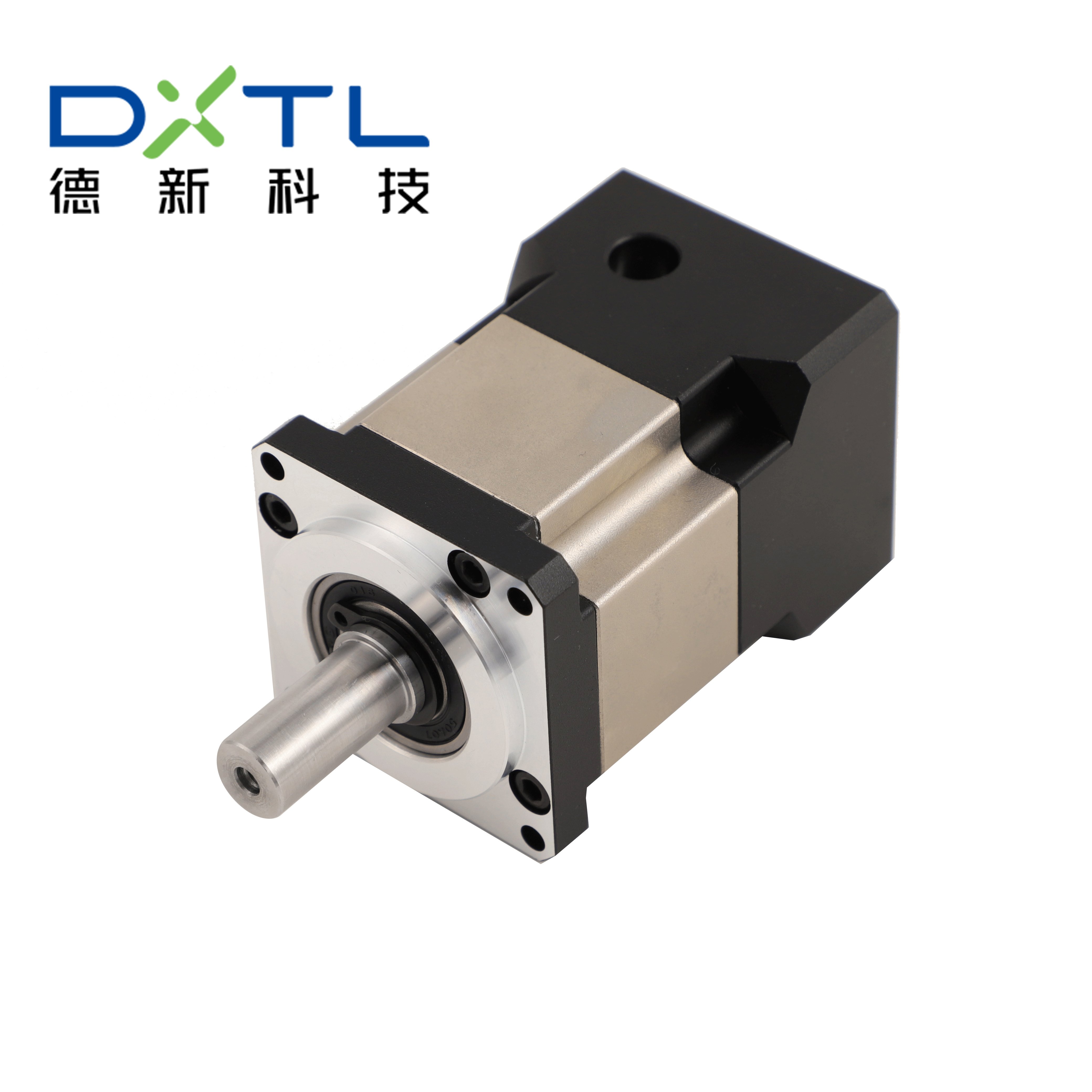
إن ارتفاع درجة حرارة علبة التروس الكوكبية بشكل مفرط هو مؤشر خطر كبير — فقد يؤدي إلى تلف الأجزاء بسرعة إذا لم يتم إصلاحه. عندما تلمس الغلاف الخارجي وتجده ساخنًا جدًا لدرجة لا يمكن تحملها، فهذه مشكلة. ابدأ بالتحقق من مادة التشحيم مرة أخرى — فمستويات التشحيم المنخفضة أو النوع غير المناسب لا يمكنها تبريد علبة التروس بشكل كافٍ. تحقق أولًا من مستوى المادة، ثم تأكد من استخدام نوع التشحيم الموصى به من قبل الشركة المصنعة، مثل تلك المستخدمة في علب التروس الكوكبية من طراز DXTLEX. بعد ذلك، افحص وجود انسدادات. فالأتربة أو الحطام المحيط بعلبة التروس قد يحبس الحرارة، لذا نظف السطح الخارجي بدقة باستخدام قماشة جافة. وإذا تم تركيب علبة التروس بإحكام شديد مقابل أجزاء أخرى، فقد لا تتمكن من تبديد الحرارة — قم بتعديل الوضعية لتوفير مساحة فارغة. وقد يكون السبب الآخر هو تحميل الجهاز بأكثر من طاقته؛ فإذا كانت المعدات تعمل بجهد يفوق طاقتها القصوى، فإن علبة التروس الكوكبية ستضطر للعمل لساعات إضافية. قم بتخفيض الحمل وراقب درجة الحرارة — وإذا بقيت مرتفعة، فاستعن بفني متخصص للتحقق من وجود أي تلف داخلي.
فشل علبة التروس الكوكبية في الدوران أو الحركة بسلاسة
إذا كان علبة التروس الكوكبية لا تدور على الإطلاق أو تتحرك ببطء، عادة ما تكون مشكلة ميكانيكية أو تزيين. أولاً، تحقق من وجود أي حطام عالق في العجلات، فقطع معدنية صغيرة أو تراب يمكن أن تعيق الآلية. أطفئ الطاقة، افتح الغطاء، وأزيل أي أشياء غريبة بفرشاة ناعمة. ثم تحقق من الزيت المزلق. الزيت الكثيف أو المجمد يمكن أن يبطئ الحركة. استبدل الزيت القديم بالزيت الطازج الصحيح السرعات المفتوحة أو المكسورة هي مجرم آخر. فحص كل درجة من السيارات بحثاً عن الشقوق أو الأسنان المفقودة، وإذا وجدت، فاستبدلها فوراً. أيضاً، تحقق من اتصال المحرك بصندوق التروس الكوكبي؛ سلك فضفاض يمكن أن يسبب مشاكل في الطاقة. قم بتشديد الاتصالات واختبر مرة أخرى يتم إصلاح معظم مشاكل الحركة السلسة عن طريق التنظيف أو التشحيم أو تعديلات صغيرة على الأجزاء.
تسرب المسمّح من علبة التروس الكوكبية
تسربات الزيوت شائعة ولكن لا ينبغي تجاهلها، فهي تؤدي إلى انخفاض مستويات الزيت والتلف. السبب الرئيسي هو الختم والغلافات المتآكلة أو المتضررة. هذه الأجزاء تبقي النفط داخل علبة التروس الكوكبية، لذلك الشقوق أو تصلب تجعل النفط يختفي. أولاً، امسحوا خارج علبة التروس لإيجاد مصدر التسرب. إذا كان حول الختم، إزالة الختم القديم واستبداله بآخر جديد من الحجم الصحيح. تأكد من أن الختم الجديد مثبت بشكل جيد لمنع التسرب في المستقبل. إذا كان التسرب من مُغزل فضفاض، قم بتشديده بلطف. التشديد الزائد قد يكسر المُغزل أو يضر بالصندوق. تحقق من مستوى المسمح بعد إصلاح التسرب وإضافة المزيد إذا لزم الأمر. فالتفتيش المنتظم للخيوط خلال عمليات التفتيش الروتينية يمكن أن يكتشف المشاكل الصغيرة قبل أن تصبح تسربات كبيرة. أيضاً، تجنب ملء علبة التروس الكوكبية بشكل مفرط، الزيت المفرط يزيد من الضغط و يسبب تسرب.
نصائح وقائية لتجنب الأعطال المستقبلية
تُعد استكشاف الأخطاء وإصلاحها أمراً بالغ الأهمية، ولكن من الأفضل بكثير منع المشكلات التي قد تحدث في علبة التروس الكوكبية. احرص على الالتزام بجدول صيانة دوري — تحقق من مادة التزييت شهرياً، ونظف علبة التروس أسبوعياً، وافحص الحشيات والتروس كل أسبوعين. اتبع إرشادات الشركة المصنعة فيما يخص نوع الزيت وتكرار الاستبدال. لا تُحمّل المعدات أكثر من طاقتها؛ تعرف على السعة القصوى لعلبة التروس الكوكبية الخاصة بك واحتفظ باستخدامها ضمن الحدود المسموحة. خزّن قطع الغيار مثل الحشيات ومادة التزييت بحيث تكون جاهزة لإجراء الإصلاحات السريعة. إذا لم تكن متأكداً من طبيعة المشكلة، فاتصل بفريق الدعم الخاص بالشركة المصنعة — فهم الأكثر دراية بعلبة التروس الكوكبية الخاصة بهم. وباتباع هذه الخطوات، ستقلل من حدوث الأعطال وتحافظ على تشغيل علبة التروس الكوكبية بكفاءة عالية لسنوات عديدة.
تتمثل معالجة المشكلات الشائعة في علب التروس الكوكبية في اتباع نهج منهجي — ابدأ بالإصلاحات الأبسط مثل التحقق من مادة التزييت أو التنظيف، ثم انتقل إلى الأجزاء الأكثر تعقيدًا. وبتعلم هذه الخطوات الأساسية، يمكنك توفير الوقت والمال، والحفاظ على تشغيل معداتك دون توقف مفاجئ. إن علبة التروس الكوكبية التي تتم صيانتها جيدًا هي علبة موثوقة، لذا اجعل معالجة الأعطال جزءًا من روتينك المنتظم.
 أخبار عاجلة
 EN
EN