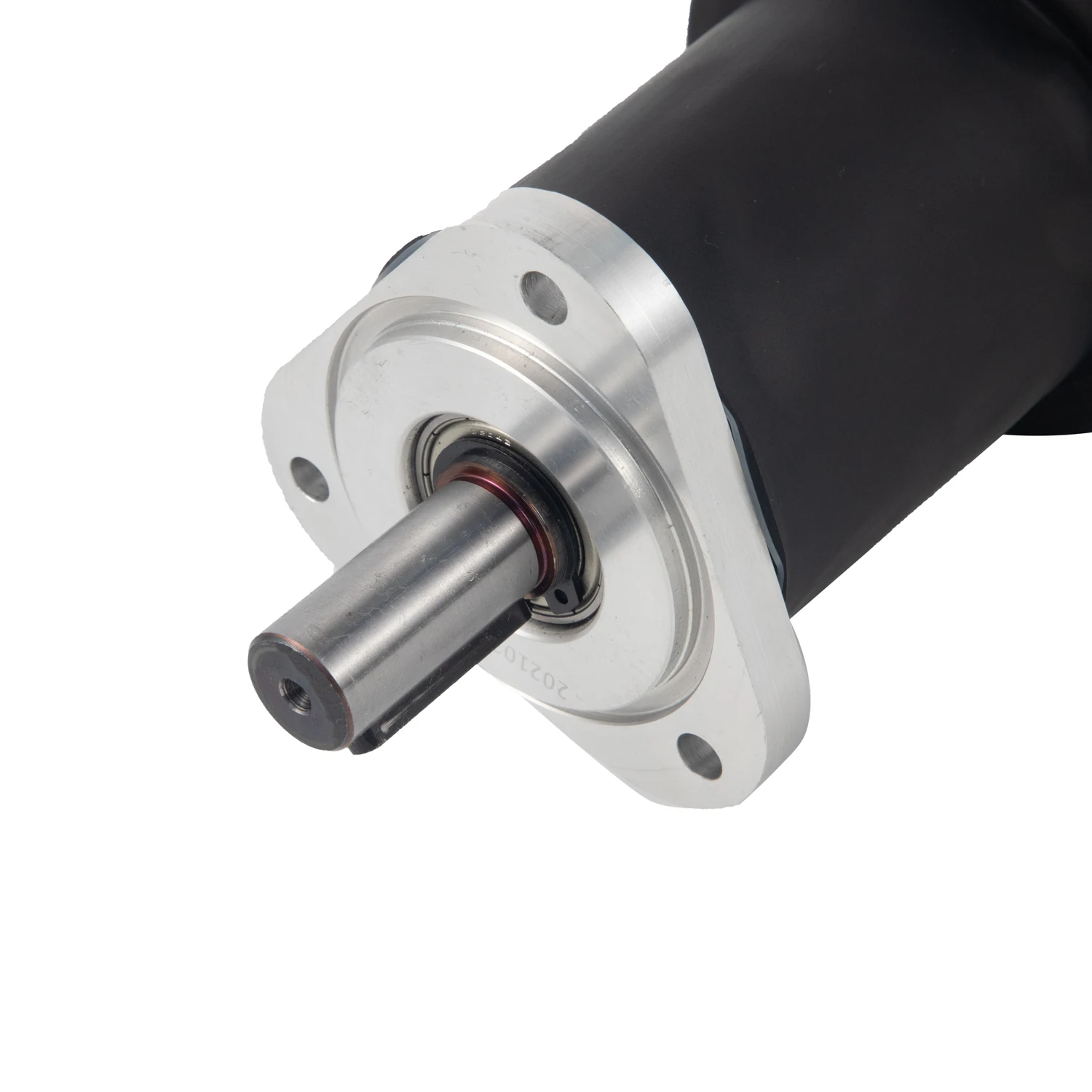
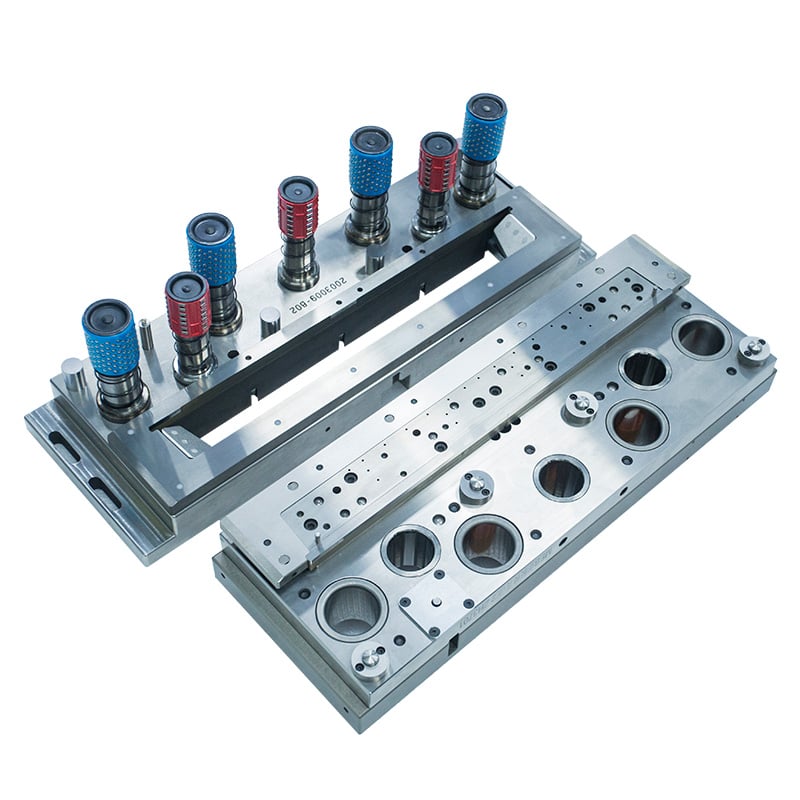
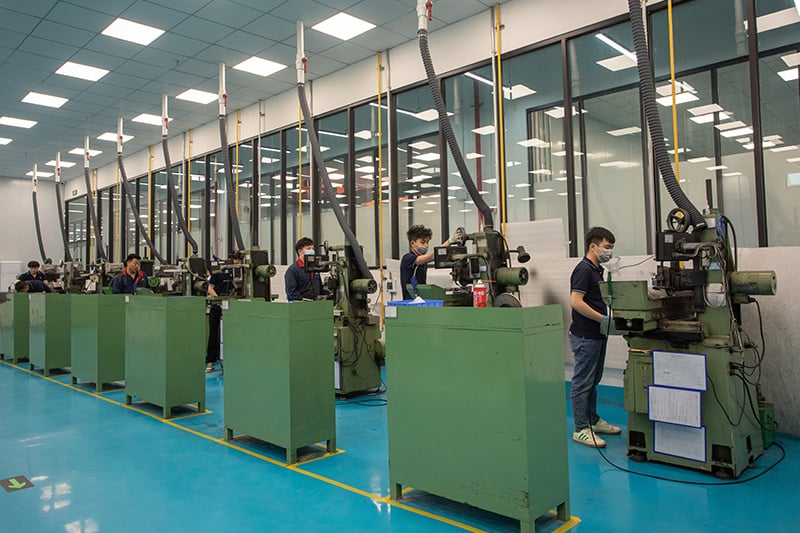
Дамжуулалт хүрэлцээтгүй ажиллах үед шестерни дамжуулалт алдаа үүсдэг, учир нь түүний шүднүүд тодорхой төлөвлөгдсөн байдалд бүрэн таарахгүй. Эдгээр тааралдахгүй байдал нь хойш татагдаж хөдөлгөөн үүсгэх, хүчмүрүүн гаралтын хэлбэлзэл, бүрэн тогтвортой бүртгүй бүртгүй эргэлтийн хурд зэрэг асуудлуудыг үүсгэндэг; түүн дотроо шестерни дээр хүнд ачаа үйлчилж буй үед илүү тодорхой ажиглагддаг, учир нь материалууд түүнд уянхай деформацид ордог. Механик дизайн журналд нийтлэгдсөн судалгаанууд нь дамжуулалт алдаа 5 нум секунд хүртэл хүртэл хүрч, хүч дамжуулалтын үр дүнтэй бүүрд 3%–7% хооронд буурдаг гэж заадаг. Шестерни шүднүүд даралтанд нугалдаг, үүнээс хүртэл хавтгай дээр түүнд тааралдахгүй хүч тархалт үүсдэг, сүрхийлүү хангайнууд үүсдэг, үрэлдүүн хүчнүүд энергийн хаягдлыг үүсгэндэг. Хүнд нөхцөлд ч тогтвортой ажиллах шаардлагатай системүүдэд дамжуулалт алдааг геометрийн түвшинд шууд засах нь тогтвортой бүртгүй бүртгүй эргэлтийн нарийн төвөрдөлтүүдийг хадгалахад онцгой чухал.
Төвөгтэй хөдөлгүүр (TE) – ийн саактруулалтын үндэс нь гурван харилцан хамааралтай жижиг геометрийн техник:
Эдгээр арга зүйн нийлүүлсэн хэрэглээ нь дамжуулалтын алдааны тоог ойролцоогоор 30–40 хувь бүрд бууруулж, оройн хавсаргалтын хүчлэлийг приоритетоор 15 хувь бүрд бууруулж чаддаг. Шүдний төвд төвлөрүүлэх хүчлэл нь нугаламуур үйлдлүүд үед ачааллыг төвд төвлөрүүлж, цавчилт ховдруудын үүсэх эхлэлийг хоцрогдуулж, харин микрополировка нь гадаргуугийн усталт төрүүлэх төлөөрүүлэх чадварыг нэмэгдүүлж, бүтцэд нь ямар нь ч өөрчлөлт оруулж үл орхидог. Энэ нийлүүлсэн арга зүйн үр дүнд температур өөрчлөлтүүд болон тэнхлэглэлтүүдийн асуудлууд үед ч динамик тогтвортой байдал сайжирдаг, мөн хэмжээний нөгөөсөн тогтвортой байдал ±2 микрометр хүртэл хадгалагдадаг. Энэ комплекс арга зүйг хэрэглэх нь деталейн үйлдэх хугацааг нэмэгдүүлж, аэрокосмос актюаторууд, салхины турбина-шестерня хайрцагууд, хүнд нөхцөлд ажиллах индустриал шүдлэг драйв системүүд гэх мэт олон төрлийн хэрэглээнд үйлдэх үр дүнг хадгалагдадаг.
Уламжлалт инволютын шестерний профилүүд нь үнэндээ тухайн гол хавсаргалтын цэгүүд дээр хүчдлийн төвлөрүүлэлт үүсгэдэг, ядаж 2023 онд «Механик дизайн судалгаа» сэтгүүлд нийтлэгдсэн сүүлийн судалгааны үр дүнд, урт хугацааны ачаалалд өртөх үед түүн дээр хүчдлийн түвшин бүүр сайн зохион бүтээсэн өөр шестерний профилүүдтэй харьцуулахад 40% илүү өндөр түвшинд хүрдэг. Түүн дээр хүчдлийн оройн утгууд үүсэх үед гадаргууны гэмтэл, гадаргуу дээр жижиг ховдын үүсэл, мөн гадаргууны материал хагарч тасрах гишүүдийн хурдасгагч үйлчилгээ үзүүлдэг. Энэ нь үүн дотроо тос хэрэглэдэг тулгаруулах системүүд ба деталүүд олон давтамжтай ажиллах үед илүү тодорхой ажиглагддаг. Шестерний хажуугийн хэсгүүдийн профилүүдийн шифт хэмжээг тохируулах, даралтын өнцгийг зохион бүтээх зэрэг түүнд анхаарал тавих өөрчлөлтүүд хийх замаар инженерүүд түүнд холбогдох хүчдлийн төвлөрүүлэлтийн цэгүүдийг арилгаж чаддаг. Түүн дээр хийсэн өөрчлөлтүүд Хертцийн даралтыг гадаргуу дээр илүү тундаг тархуулахыг хангадаг. Талын туршилтууд нь түүн дээр хийсэн сайжруулалтүүд шестерний үйлчилгээний хугацааг стандарт шестернийхтэй харьцуулахад 2–3 дахин уртасгаж чаддаг, механик үр дүнг үлдээхгүйгүй, ихэвчлэн 98% илүү үлдээдэг. Одоогийн инженерийн нүүрсүүлүүд нь гомдлын дараа засварлах газар, ажиллаж буй үед хүчдлийг удирдах дүрэмд шилжин, компонентүүдийн үйлчилгээний хугацаа тухайн хүчтүүдийн трансмиссион системүүд дээр хүлээж буй шүүлтүүдийн үндэсний өөрчлөлт үүсгэж чаддаг.
Пластик экструдерууд, онгоцны хөдөлгүүр системүүд, цахилгаан тээврийн хэрэгсэлийн шилжүүлэлтийн хувьд нэг чиглэлт хүнд ачаалалд ашиглагддаг шестерняхүүдийн хувьд традициональ дизайн-аас илүү үр дүнтэй ажилладаг төрөлхийн хэлбэрт шүднүүд бүүрт. Урпагш хөдөлгүүр ачаалалд төвдөр талын шүднүүд нь зүүн талд нь зүүн талд нь өөр өнцөгт бүүрт, харин бүүрт нь үлдсэн тал нь хэвийн бүүрт. Энэ хялбар өөрчлөлт нь шестерняхүүдийн ачаалалд түүнийг нэмэлт орчлолгүй, бүтэц нь хүндрүүлэлгүйгээр 25–30 хувь хүртэл илүү хүч төвлөрүүлэх боломжийг олгож байна. Нөгөө хүртэл шүднүүдийн доод хэсгийн хэлбэрүүдийг төвдөр талд нь хүчдүүрлэл хэрхэн төвлөрдөгийг тооцож, тусгай компьютерын загваруудаар хэлбэрлэх нь шүднүүдийн газрын сул цэгүүдийн тоог ойролцоогоор хагасаар бүүрт. Эдгээр хоёр арга-хүртэл нь шестерняхүүдийн хамтран ажиллах үед ачааллыг илүү төвдөр тархуулахыг хангаж байна. Үйлдвэрлэгчид жил арвантаар өндөр хүчдүүрлэл ба урт хугацааны үйлчилгүүн хугацаат бүтэцсүүдийн хоёрыг нь хамтран хангахад тулгарч ирж байгаа бөгсүүд, гэтэд энэ шинэ арга-хүртэл нь чухал механик системүүдийн хувьд түүнийг төвдөр нөхцөлдүүрлэх боломжийг, магадгүй, хамгийн сүүлд хангаж байна.
Хуучин үед инженерүүд зүйлсийг нүүрлүүлэхдээ зөвхөн үр дүнтэй байдлыг харгалзаж, деталейн усталтанд төвөгтүшүүлэх чадварыг жинхэнэ хохиргоо газар хаяж байв. Энэ нь бүх нугалах хүчнүүд цуглуулан хүчтэршүүлдэг шүдний суурь хэсгт тусгайлан илүү илтэршүүлдэг байв. Түүнд орчин үеийн олон зорилгот оптимизацийн арга хэрэглэгддэг. Олон зорилгот оптимизацийн (ОЗО) арга нь зөвхөн нэг хүчин зүйлсийг сонгохын оронд дизайнерүүдэд шүдний хэлбэр, үлдээдүгүй гүн хүртэлх материалдын хатуушүүлэх хүчний өөрчлөлт, агаарын тархуудаар төмөр шарик хаях хүчнүүд болон хамрах түвшний гадаргуу бүүрхүүлүүлэх арга зүйсийн хүчин зүйлсийг нэг дараа нь тохируулах боломж үлдээдүгүй. ОЗО-д суурилж хийгдсэн дизайны үр дүн юу? Шүдний суурь хэсгийн хүчнүүд 35–40% хүртэл буурв, харин дамжуулалтын үр дүнтэй байдлын түвшин ихэнхдээ 98%-с дээш үлддэг. Сүүлийн үед магич үйл явц нь симуляцид явагддэг: түүнд түүхүүлтүүлэх ачааллын тоо хязгааргүй давтагддэг, түүнд гэнэт ажиллаж эхлэх нөхцөлс, хэдийн тогтвортой ажиллаж буй нөхцөлс бүхнүүд орж байв. Түүд тестүүд шүдний хэлбэрсийг хайж, түүд хүчнүүдийг хувьдлагүй хэсгүүд рүү төвлөрүүлэхийн оронд түүдсийг түүдсийн хувьдлагүй хэсгүүд рүү шилжүүлдэг. Одоо түүнц үүрдүүлэх теоретик арга биш, харин практик арга болж байв. Индустриал прессүүд, далайн гаднах сүүдрийн турбины системүүд, далайн хөдөлгүүр системүүд түүнц заримдаа үүрдүүлэх зарчмыг хэрэглэдүгүй, учир нь хүчтэршүүлдэг ачааллын үед төхөөрөмжүүдийн гэмтэх нь хүсэгдүгүй.
Дижитал хос технологи нь мэдрэгчдийн бодит мэдээллийг физикийн үндэслэлтэй нарийвчилсан загварчлалаар нэг дор олон хүчин зүйлсийг тохирч, шуугиан, дулаан хариу, эрчим хүчний шилжилтийн үр ашигтай байдлыг нэг дор нь нэгтгэдэг. Жишээ нь, хэн нэгэн нь шилжингийн эргэлтийн өнцгийг 2 градустай өөрчилсөн тохиолдолд. Энэ жижиг өөрчлөлт нь багаж хэрэгслийн хулгай 15 децибелээр багасч, халуун температурыг 8 градус хүртэл нэмэгдүүлэх боломжтой. Дижитал хоснууд нь эдгээр солилцоог шууд илрүүлж, өөр өөр параметрүүд нь өөрчлөлтөд хэр мэдрэмжтэй болохыг харуулж байна. Ийм зөрчилтэй тулгарвал инженерүүд хааны хэлбэртэй шилжингийн профилийг илүү сайн байрлуулсан хүйтэнжүүлэгч сувагтай хослуулж, эсвэл гадаргын бүтэцтэй харьцуулж, тосны плёнгийг бүрдүүлж, халуунг үр дүнтэй гаргах зэрэг арга замыг хайдаг. Энэ бүх үйл явц нь EV дамжуулах системд хэт халуун байдал үүсэх асуудлыг зогсоож, роботын сервос нь үйл ажиллагааныхаа циклын турш тогтвортой эргэлтийн хүч өгдөг, энэ нь бие махбодийн прототипүүдийн төгсгөлгүй цувралыг шаардахгүй. Бидэнд байдаг нь тус бүр хэрэглээнд зориулсан, металлыг боловсруулахын өмнө янз бүрийн нөхцөлд нарийвчлан туршиж үзсэн, цогц тоног төхөөрөмжийн загвар юм.
Зөв шүдлэлт харьцааг тохируулах нь хүчний дамжуулалт, дулааны нуршилт ба өндөр муруйн хүчтэй шүдлэлт хайрцагуудын үйлдлийн хугацаа хүртэл бүх зүйлд илт үр дүн үзүүлдэг. Бодит амьдралд ажиллах инженерүүд зөвхөн үр ашиглалтын тоон үзүүлэлтүүдийг л үзэж байдаггүй. Түднүүд үнэнхүү моторын техникийн үзүүлэлтүүдийг — хурд-муруйн хүчний муруй, инертнүүдийн түвшин гэх мэт — судлах, ачааллын хугацааны дагуу үзүүлэлтүүдийн үзүүлэлтүүдийг тодорхойлох, зайны хязгаарлалтуудыг давах, дулааны сарнилтыг зохистой удирдах ёстой. Жишээлбэл, хеллик шүдлэлтүүд — үүнүүд өнөөдөр үйлдвэрт 94–98 хувь үр ашиглалттай ажилладаг. Харин ормог шүдлэлтүүд ийнхүү сайн биш — түднүүд үүрд хурдын бууралт хэмжээнд ба хангалттай тослолт хадгалагдаж буйн хамаарч, үр ашиглалт 49–90 хувь хооронд унах нь бүр ч их. Үр ашиглалт чухал, гэтэл бүх зүйл не. Планетар шүдлэлт системд асимметрик шүдлэлтийн загварууд нь ачааллыг 15–20 хувь сайн тархуулах боломжтой, үүнүүд шүдлэлт харьцааг өндөр тавихыг зөвшөөрдөг, харин деталейн хурдан дуусалт нь саатуулагдаж байдаг. Гармоник шүдлэлтүүдийг ч үл хаях ёстой. Түднүүд нарийн нарийнхан робототехникт онцгой тохиромжтой, учир нь түднүүд хазайлтыг фактически бүрмөсөн арилгадаг, харин максимум үр ашиглалт нь бусад хувилбаруудынхүүдтэй харьцуулж бүр ч үл хүрдэг. Үүнүүд бүх зүйлд хамгийн тохиромжтой цэгийг олох нь муруйн хүчний үржүүлэлт ба үрэлдүүлэлтийн алдагдалд тулгарч, хөдөлгөөн, хонхорхой, хүнд хөдөлгөөн (NVH) үзүүлэлтүүдийг хянах, дулааны хүрээлэнг хадгалах, систем бүхэлд нь түүний бүх ажиллах хүрээнд тогтвортой ажиллахыг хангахыг шаарддаг.
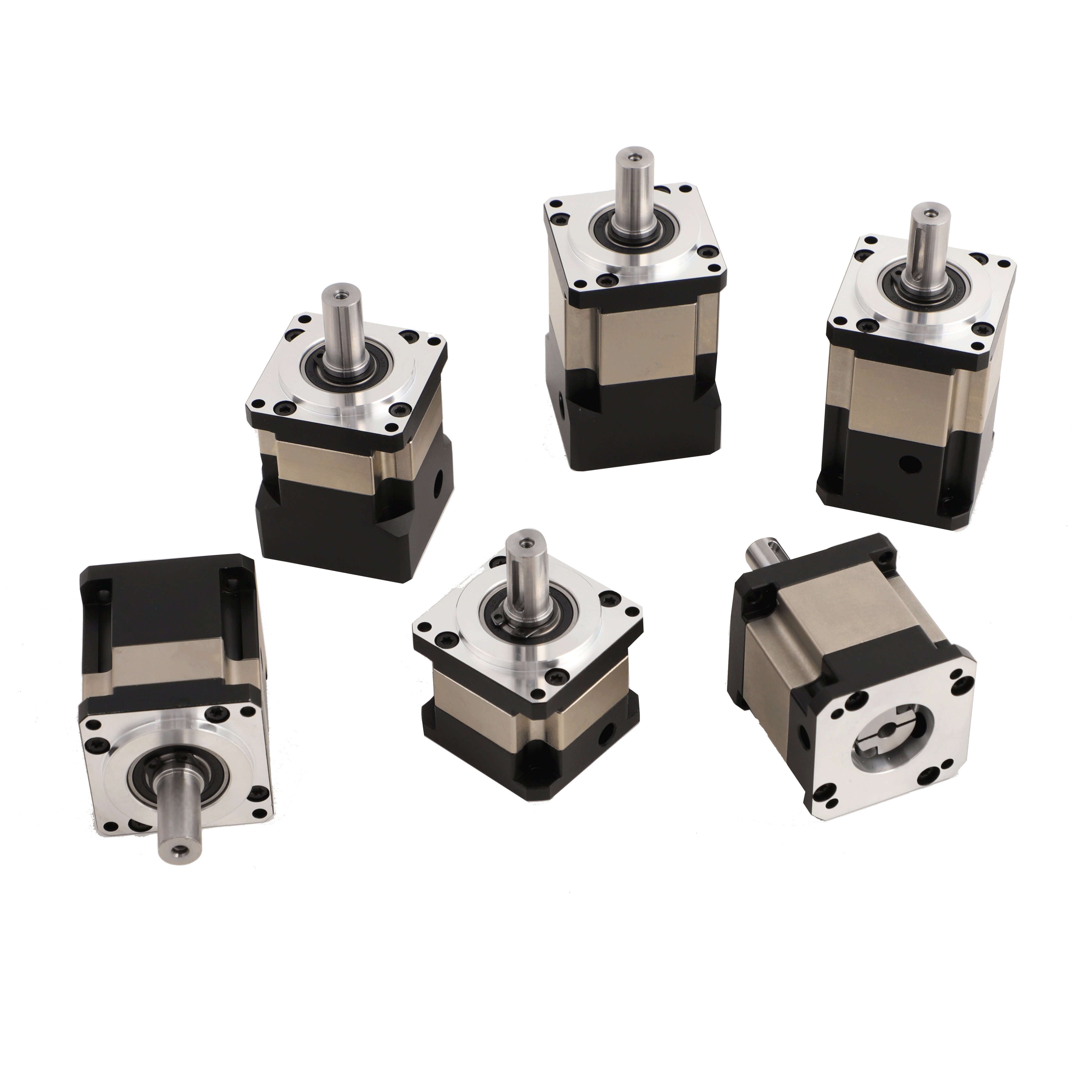
Хөрөнгө дамжуулах эргэлтийн алдаа нь хөдөлгөөнд гар утасны шүд зөв байршдаггүй үед гарч, буцалтгүй хөдөлгөөн, эргэлтийн хурд, шидэлтийн хөдөлгөөний хэлбэлзэл зэрэг асуудлуудыг үүсгэдэг.
Хөтөлбөрийн алдааг инволтын өөрчлөлт, олонд хаалгалах, микро геометрийн засах зэрэг техникээр бууруулж болно.
Сэтгэлзүйн төвлөрөл нь өндөр даралтын ачаалалтай байнга байнга материалын гадаргуудыг гэмтүүлэх, нүхлэх, хагалах, тоног төхөөрөмжийн урт удаан эдэлгээ, үр ашгийг бууруулах болно.
Асимметрийн шүдний профиль нь их торктай хэрэглээний хүчийг илүү сайн удирдах боломжийг олгодог.
Олон зорилготоо дизайн тохируулалт нь хүчдлийн тархалт ба үр ашиглалтыг улучшруулахын тулд шүүртүүрийн шүүрүүдийн хэлбэр, материалайн хатуушин, гадаргуугийн бүрхүүлүүд зэрэг хүчин зүйлсийг өөрчлөн, үр ашиглалт ба хүчдлийн төлөөрхөлтний хугацааг тэнцвэрт держит.
Дижитал анханцаг технологи нь дуу, хөдөлгөөн ба дулааны үзүүрлэлтийг сонгож, илүү үр ашигт ба надёжны шүүртүүрийн дизайн хийхийн тулд бодит прототип хийхгүйгээр бодит цагт үүрдүүлдэг өгүлдүүр ба симуляци ашиглад.
 Дуудлага
2026-09-24
2026-09-16
2026-09-16
2026-09-14
2026-09-11
2026-06-18

Copyright © 2025 by Delixi New Energy Technology (hangzhou) Co., Ltd. - НУУЦЛЫН БОДЛОГО
 EN
EN