Understand the rated voltage range of brushless motor
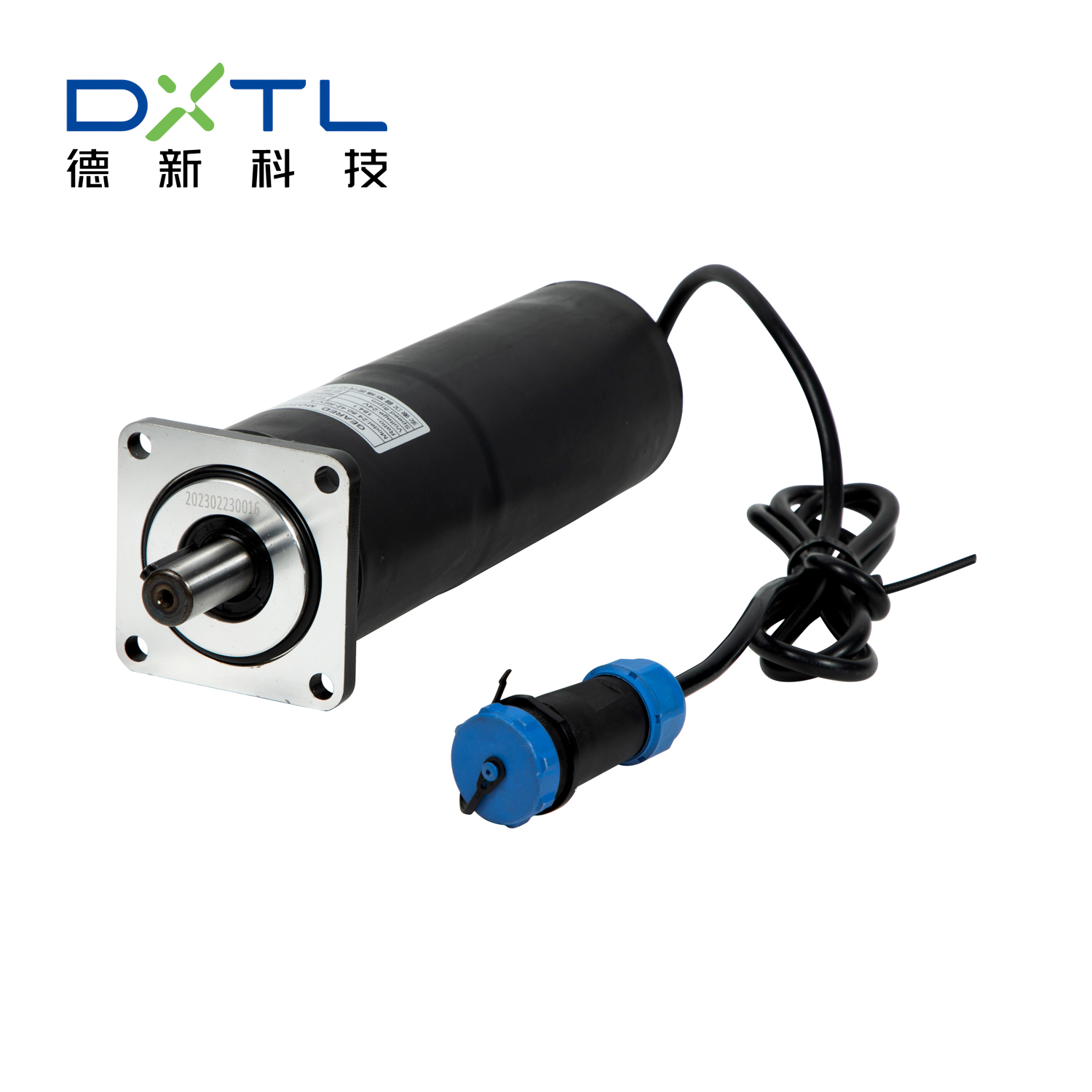
The first step to protecting a brushless motor with correct voltage is knowing its rated voltage range—this is the safe operating window specified by the manufacturer. Every brushless motor has a clear rated voltage (e.g., 12V, 24V, 48V) and an allowable fluctuation range (usually ±10% of the rated value). Operating the brushless motor below the minimum voltage causes insufficient power output: the motor may struggle to start, run sluggishly, or stall under load. This not only affects performance but also forces the motor to draw excessive current to compensate, leading to overheating. Operating above the maximum voltage puts extreme stress on internal components like windings and controllers, accelerating insulation aging and increasing the risk of short circuits. Always check the motor nameplate or manual to confirm the rated voltage—ignoring this range is the primary cause of premature brushless motor failure.
Avoid voltage fluctuations and instability for brushless motor
Voltage fluctuations and instability are silent killers for brushless motors. Inconsistent power supply—such as sudden spikes, dips, or ripple voltage—disrupts the motor’s normal operation. Voltage spikes (often caused by electrical interference or faulty power sources) can burn out the brushless motor’s controller or damage winding insulation in an instant. Voltage dips (from overloaded circuits or poor wiring) lead to insufficient torque and increased current draw, which overheats the motor over time. Ripple voltage (uneven DC voltage with AC components) affects the motor’s speed stability and puts extra strain on the driver. To avoid these issues, use a high-quality power supply with stable output for the brushless motor. Install surge protectors or voltage regulators to filter out spikes and dips. For industrial applications, consider adding a UPS (Uninterruptible Power Supply) to ensure continuous, stable voltage. Maintaining steady voltage keeps the brushless motor running smoothly and prevents damage from electrical irregularities.
Ensure proper wiring and connection for stable voltage supply
Poor wiring and connections are common causes of voltage loss and instability for brushless motors. Using wires that are too thin or too long increases resistance, leading to voltage drop between the power supply and the motor. For example, a 24V brushless motor with undersized wiring may only receive 20V under load, causing it to work harder and overheat. Loose connections, corroded terminals, or poor solder joints create resistance and intermittent contact, resulting in fluctuating voltage. To fix this, select wiring with the correct gauge based on the brushless motor’s current requirements and installation distance—thicker wires reduce resistance. Ensure all connections are tight, clean, and free of corrosion; use terminal blocks or crimp connectors for secure joints. Avoid daisy-chaining multiple brushless motors on a single wire run, as this causes uneven voltage distribution. Proper wiring ensures the motor receives the full, stable voltage it needs, protecting its internal components and extending lifespan.
Match power supply capacity to brushless motor requirements
Matching the power supply’s capacity to the brushless motor’s needs is crucial for stable voltage supply. The power supply’s output current rating must be sufficient to handle the brushless motor’s maximum current draw (starting current is often 2-3 times the rated current). Using an underpowered supply causes the voltage to drop when the motor starts or is under load, as the supply can’t deliver enough current. This not only affects performance but also damages both the supply and the motor. Overpowered supplies (with much higher current capacity) are not harmful as long as the voltage is correct, but they’re unnecessary and inefficient. Additionally, choose a power supply with the right type of output: brushless motors require clean DC power, so avoid using unregulated supplies that produce noisy voltage. For brushless motors with built-in controllers, ensure the supply matches the controller’s voltage and current specifications. A well-matched power supply maintains stable voltage even under peak loads, protecting the brushless motor from stress.
Regularly monitor voltage and maintain power supply system
Regular monitoring and maintenance of the voltage supply system are essential to protect the brushless motor. Use a multimeter to check the voltage at the brushless motor’s terminals during operation—verify it stays within the rated range. Record voltage readings under different loads to identify trends, such as gradual voltage drop (which may indicate wiring issues or a failing power supply). Inspect the power supply regularly: clean dust from vents to prevent overheating, check for loose components or damaged cables, and replace aging supplies before they cause voltage instability. For brushless motors in harsh environments (dust, moisture, vibration), protect the power supply and connections with waterproof or dustproof enclosures. Calibrate voltage regulators or inverters periodically to ensure accurate output. By staying vigilant about voltage levels and maintaining the power supply system, you can catch potential issues early and keep the brushless motor operating under optimal conditions, significantly prolonging its service life.
 Hot News
 EN
EN