Magnetic Material Quality in Brushless Motor Rotors
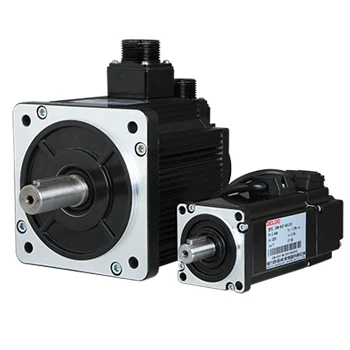
The magnetic material used in a brushless motor’s rotor plays a huge role in its efficiency. Most high performance brushless motors use rare earth permanent magnets like neodymium iron boron. These materials have strong magnetic properties that help the motor generate stable and powerful magnetic fields with less energy loss. If the magnetic material is of low quality—like having uneven magnetic density or weak magnetism—the brushless motor will need more current to maintain the required torque. This not only wastes energy but also makes the motor run hotter, further reducing efficiency. For example, some cheap brushless motors use low grade ferrite magnets instead of rare earth ones. These ferrite magnets lose magnetic strength faster at high temperatures, which means the motor has to work harder just to keep up with basic operation. Choosing a brushless motor with high quality, certified magnetic materials (like those meeting industry standards) is key to keeping efficiency high.
Motor Control Strategy and Drive System Matching
How a brushless motor is controlled and how well its drive system matches it directly affects efficiency. A good drive system uses precise control strategies to adjust the motor’s current and voltage in real time. For instance, current peak control—where the drive keeps the control cycle constant and makes the stator current track the given current—helps the brushless motor run smoothly without unnecessary energy waste. If the drive system is poorly matched, like using a generic controller that doesn’t fit the motor’s power range, the brushless motor might experience unstable current flow. This can lead to higher stator resistance losses and lower overall efficiency. Some advanced brushless motors even come with custom drive systems that are calibrated to the motor’s specific parameters, like its torque curve and speed range. This matching ensures the brushless motor always operates in its most efficient zone, whether it’s running at low speed with high torque or high speed with light load.
Stator and Rotor Design Details
The design of the brushless motor’s stator and rotor has a big impact on how efficiently it uses energy. Let’s start with the stator: if the windings are arranged in a way that creates uneven magnetic fields—like using messy, unorganized windings—there will be more copper loss from resistance. On the other hand, well designed 集中整距 windings (concentrated full pitch windings) help the brushless motor generate a smooth trapezoidal back EMF (electromotive force), which reduces energy loss during operation. The rotor’s design matters too. A rotor with a high saliency ratio (the ratio of d axis to q axis inductance) can boost the brushless motor’s reluctance torque. This means the motor can maintain high efficiency even if the permanent magnet’s magnetic performance drops a little. For example, some brushless motors use a rotor structure that enhances the magnetic circuit, making sure the air gap magnetic density is uniform. This stops local overheating and keeps the motor running efficiently for longer.
Operating Temperature and Heat Dissipation
Brushless motors lose efficiency when they get too hot, so operating temperature and heat dissipation are critical factors. Most brushless motors use permanent magnets that weaken as temperature rises. If the motor overheats—maybe because it’s working in a hot environment or under heavy load for too long—the magnets’ magnetic strength drops. This forces the motor to draw more current to produce the same torque, which leads to higher energy loss and lower efficiency. Good heat dissipation helps keep the brushless motor at a stable, cool temperature. This can include things like a metal housing that conducts heat well, built in heat sinks, or even small fans for active cooling. For example, industrial brushless motors used in automation equipment often have aluminum casings that spread heat quickly. If a brushless motor doesn’t have proper heat dissipation, it might shut down unexpectedly or suffer permanent damage to the magnets, which ruins its efficiency for good.
Load Conditions and Speed Range
The load a brushless motor is carrying and the speed it’s running at also affect efficiency. Every brushless motor has an “efficient operating zone”—a range of load and speed where it uses energy most effectively. If you run the motor at a speed much higher or lower than its optimal range, or if you put a load that’s too heavy (or too light) on it, efficiency drops. For example, a brushless motor designed for medium load and moderate speed will waste energy if you use it for light load at very high speed. The motor will still draw current to maintain the high speed, but since the load is light, most of that current isn’t used for useful work. On the flip side, overloading the brushless motor makes it work beyond its capacity, leading to higher current and more copper loss. To keep efficiency high, it’s important to choose a brushless motor that matches your actual load and speed needs. For instance, if you need a motor for a conveyor belt that runs at a steady medium speed, pick a brushless motor with an efficient zone that fits that specific operation.
 Hot News
 EN
EN