 EN
EN

Choose the Right Lubricant for Robot Arm Gearbox Specifications
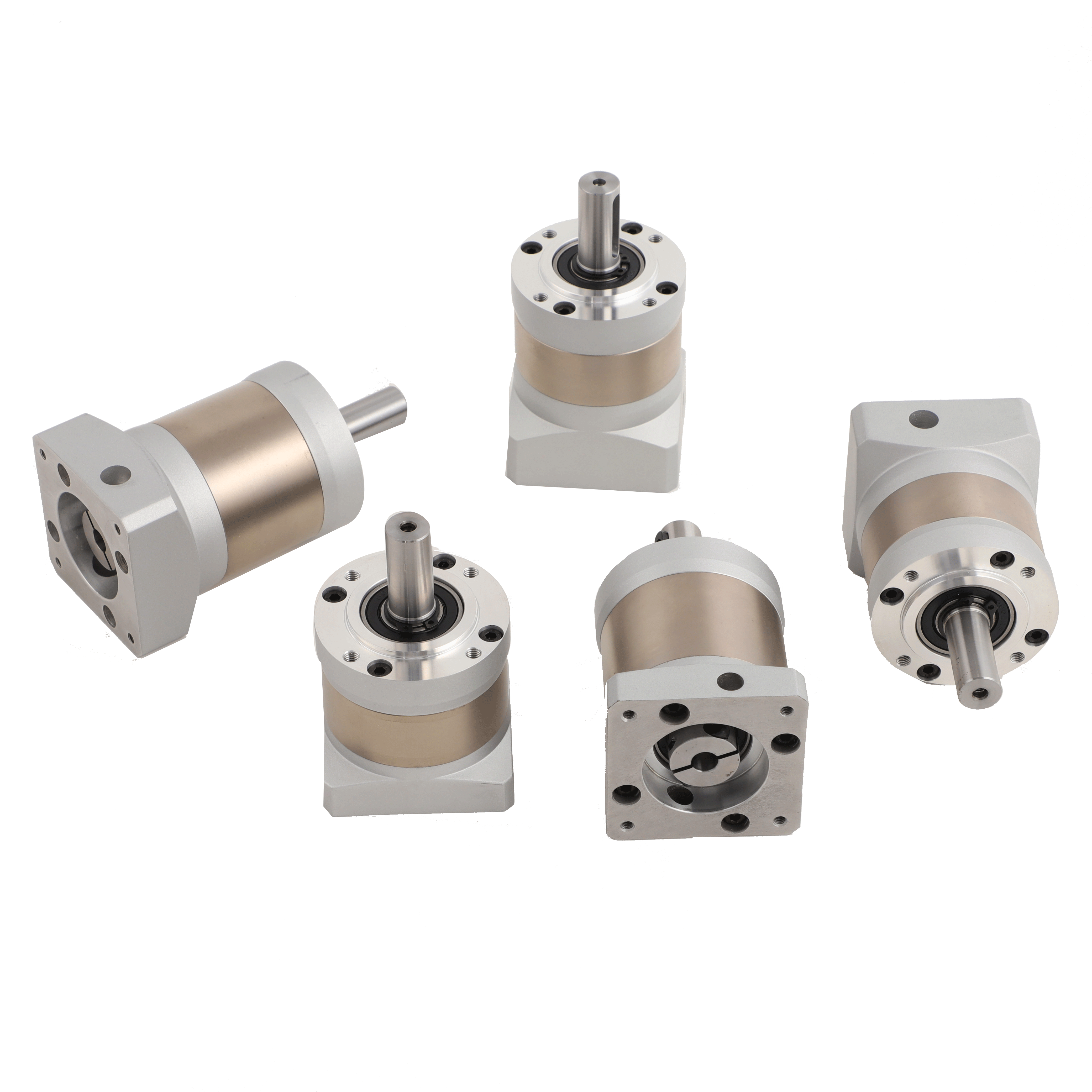
Selecting the appropriate lubricant is the foundation of effective robot arm gearbox lubrication, as using the wrong type can cause excessive wear, overheating, and premature failure. With over a decade in industrial automation, I’ve seen countless factories struggle with frequent gearbox breakdowns due to mismatched lubricants—one client used general-purpose grease for their high-precision robot arm gearbox, leading to increased friction and a 50% reduction in service life. We guided them to switch to our recommended synthetic lubricant, tailored to our robot arm gearbox’s specifications: 94-96% efficiency, ≤20 arcmin backlash, and 20,000H lifespan. The result was a dramatic improvement—their gearboxes ran cooler, quieter, and lasted the full expected lifespan. Lubrication experts emphasize that robot arm gearboxes require lubricants with specific viscosity and additive packages to handle high-speed rotation and precision movement. Our robot arm gearboxes, such as the 42MM planetary variant for servo motors, are engineered to work seamlessly with ISO 9001-certified synthetic lubricants that resist oxidation and maintain consistency in extreme temperatures. Whether it’s a right-angle robot arm gearbox for tight spaces or a large-torque model for heavy-duty tasks, we provide clear lubricant guidelines to ensure optimal performance—proving that the right lubricant is just as critical as the gearbox itself.
Master the Correct Lubricant Application Amount and Frequency
Applying the right amount of lubricant at the proper intervals is key to protecting robot arm gearboxes, as over-lubrication can be just as harmful as under-lubrication. A 3C manufacturing client once over-lubricated their robot arm gearboxes, causing grease buildup that trapped heat and debris, leading to frequent jamming. We trained their team to use the "fill-to-mark" method for our robot arm gearboxes—adding lubricant only to the specified level—and established a maintenance schedule based on operating hours: 500 hours for initial top-up, 2,000 hours for partial replacement, and 8,000 hours for full lubricant change. This simple adjustment eliminated jamming issues and extended gearbox life by 30%. Industrial maintenance standards state that over-lubrication increases internal pressure, while under-lubrication causes metal-to-metal contact—both leading to premature wear. Our robot arm gearboxes are designed with easy-access lubrication ports and clear level indicators, making it simple for factory teams to apply the correct amount. Backed by IATF 16949 certification, our lubrication guidelines are based on rigorous testing, ensuring that factory teams can maintain robot arm gearboxes with confidence and avoid costly mistakes.
Follow Proper Lubrication Application Methods for Even Coverage
The way lubricant is applied directly impacts its effectiveness, and using the right technique ensures even coverage across all moving parts of the robot arm gearbox. I once worked with an automotive parts factory where uneven lubrication led to uneven gear wear—their team was applying lubricant through a single port without rotating the gearbox, leaving critical components unprotected. We demonstrated the correct method: rotating the robot arm gearbox input shaft while applying lubricant, ensuring the grease spreads to planet gears, bearings, and internal surfaces. For our right-angle robot arm gearboxes, we also recommended using a precision grease gun to reach hard-to-access areas. The difference was clear: gear wear became uniform, and the gearboxes maintained ≤15Arcmin backlash for longer. Lubrication technical guides highlight that even coverage is essential for robot arm gearboxes, as missed areas cause localized friction and heat. Our robot arm gearboxes are engineered with optimized internal channels that guide lubricant to key components, and we provide step-by-step application instructions to complement this design. Whether it’s manual lubrication for small-scale operations or automated systems for large factories, following proper application techniques maximizes the lubricant’s protective benefits—keeping robot arm gearboxes running smoothly.
Adapt Lubrication Practices to Factory Operating Conditions
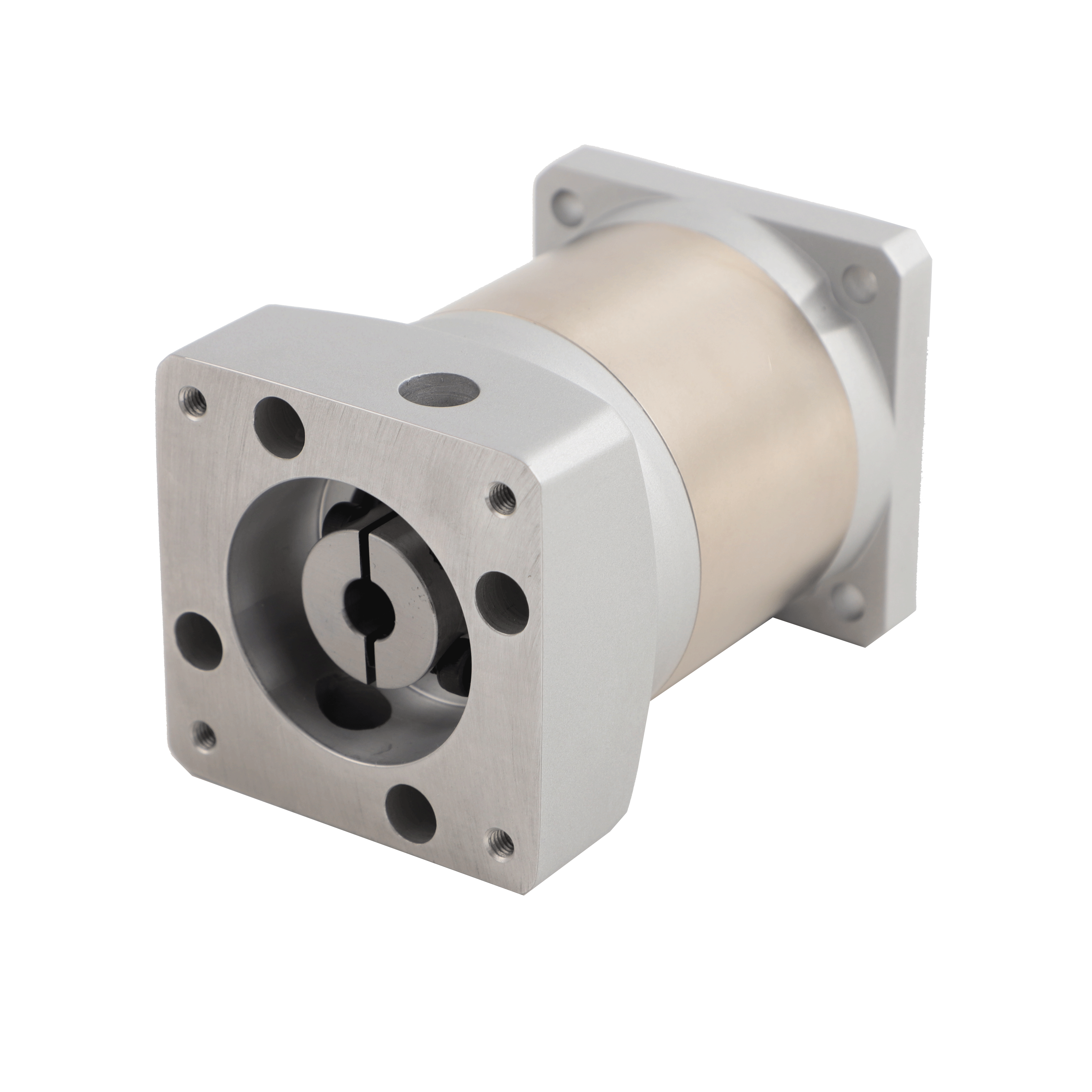
Factory environments vary widely, and adjusting lubrication practices to suit specific conditions ensures robot arm gearboxes perform reliably. A factory in a dusty industrial zone struggled with lubricant contamination, which shortened their robot arm gearbox lifespan by 40%. We recommended switching to a high-viscosity lubricant with anti-contamination additives and increasing the lubricant change frequency by 25%. We also advised installing protective covers on our robot arm gearboxes, which feature IP-rated protection to prevent dust and debris ingress. Another client in a high-temperature factory needed a lubricant with enhanced thermal stability—our solution was a synthetic blend that maintains viscosity even at 85°C, preventing breakdown and ensuring consistent lubrication. Environmental engineering experts note that robot arm gearbox lubrication must account for temperature, humidity, and contamination levels to avoid performance issues. Our professional team with over 10 years of experience works with factories to assess their operating conditions and tailor lubrication plans for our robot arm gearboxes. This adaptive approach ensures that lubrication remains effective regardless of the factory environment, protecting gearboxes and minimizing downtime.
Combine Lubrication with Regular Inspection for Comprehensive Maintenance
Lubrication works best when paired with regular inspections, as this allows factories to catch issues early and maintain optimal robot arm gearbox performance. A battery manufacturing client that neglected inspections missed signs of lubricant degradation, leading to gearbox failure and production downtime. We helped them implement a combined maintenance plan: checking lubricant color, viscosity, and contamination levels monthly, and correlating these findings with gearbox performance data (backlash, noise, temperature). For our robot arm gearboxes, we also recommended using vibration analysis to detect early signs of wear caused by inadequate lubrication. The result was a 60% reduction in unplanned downtime and extended gearbox life. Maintenance experts stress that regular inspections are critical for robot arm gearboxes, as lubricant degrades over time due to heat, friction, and contamination. Our robot arm gearboxes are designed with built-in inspection points, and we provide detailed checklists to guide factory teams. Additionally, our one-stop service includes lubrication training and support, ensuring factories have the knowledge and tools to maintain their robot arm gearboxes effectively. By combining proper lubrication with regular inspections, factories can maximize the reliability and lifespan of their robot arm gearboxes—protecting their investment and ensuring smooth factory operations.