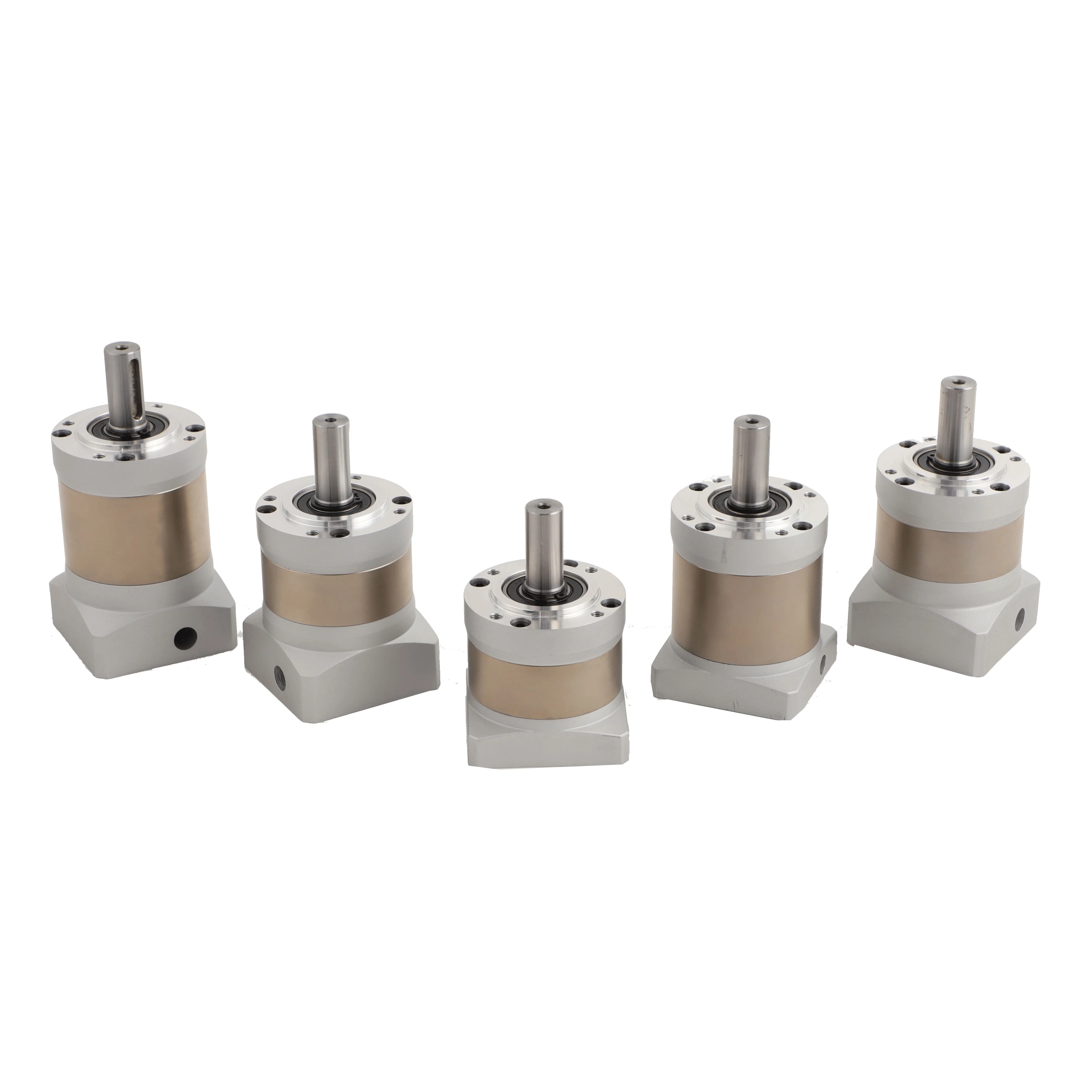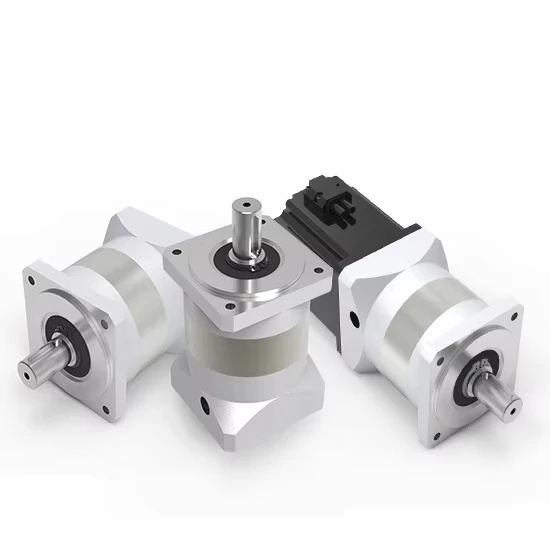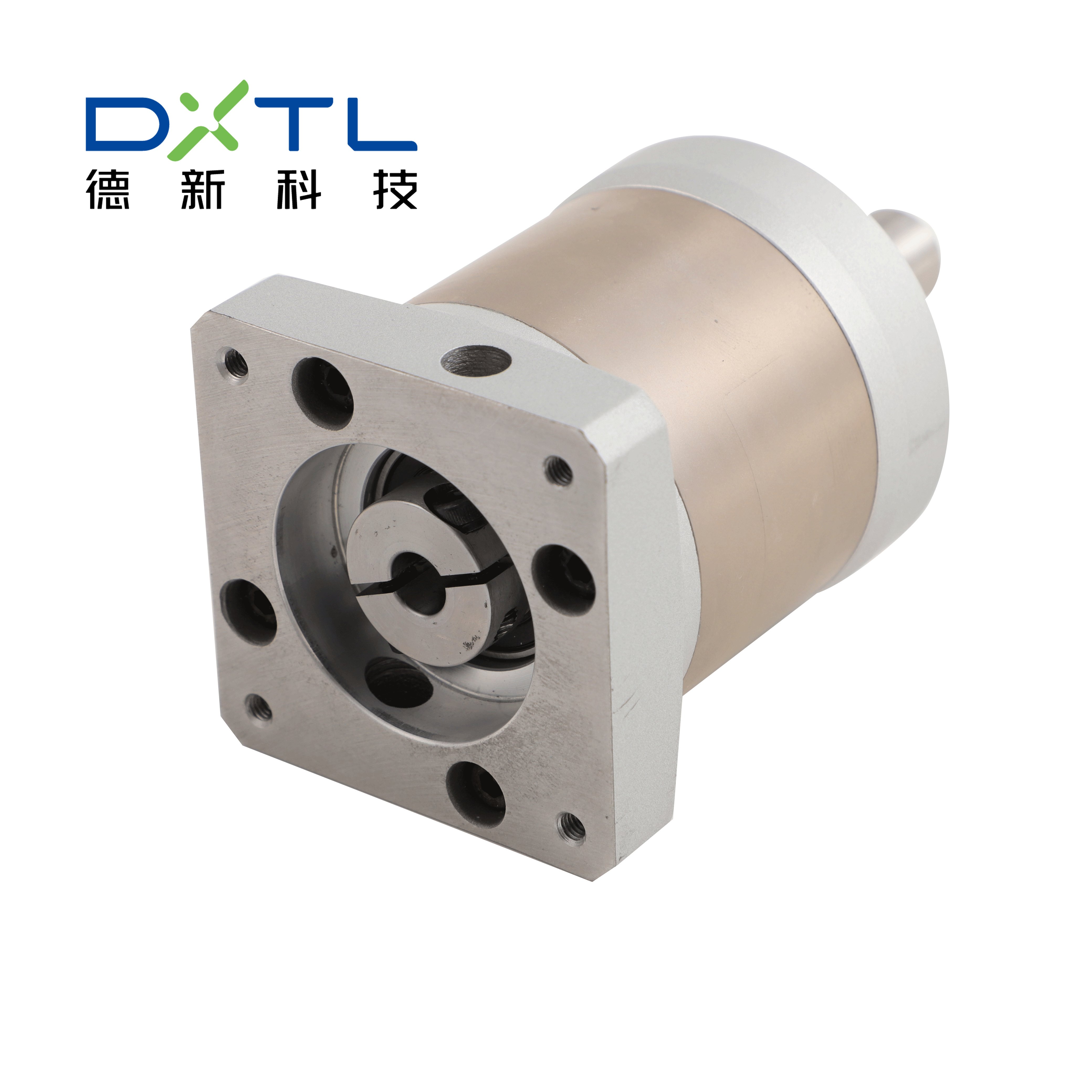
Planetary reducers achieve 94–98% efficiency under optimal conditions by distributing load across multiple gear meshes. The sun-planet-ring configuration minimizes stress concentration while maximizing torque density. Research from the German Institute for Machine Efficiency (2023) shows that properly aligned 4-planet systems outperform 3-planet designs by 1.7% in continuous operation.
Friction accounts for 52% of energy losses in planetary reducers, with the largest contributions coming from planet gear bearings (28%) and ring gear interfaces (19%), followed by spline connections (5%). Advanced polymer composites in thrust washers reduce breakaway torque by 40% compared to traditional bronze alloys, significantly lowering startup losses.
Case-hardened 20MnCr5 steel gears with a surface roughness below 0.8µm exhibit 35% lower wear rates than untreated components in ASME durability trials. Nitriding treatments extend maintenance intervals by 2.8 times while sustaining 96.2% efficiency over 10,000 operating hours, making them ideal for high-reliability applications.
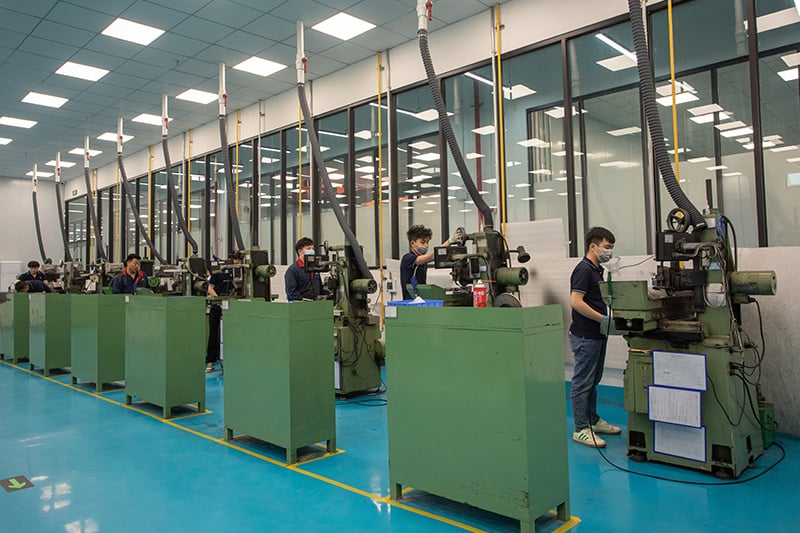
Modern CNC grinding achieves ±15 arc-minute alignment accuracy, reducing vibration-induced losses by 27%. Modified involute tooth profiles with optimized pressure angles increase load capacity by 19% while remaining compliant with ISO 1328-1 standards, ensuring both performance and interchangeability.
A gap of 5–8% exists between laboratory-reported efficiencies (based on ISO/TR 14179-1) and real-world performance. Field data from mining operations show an average efficiency of 92.3%, falling short of manufacturers’ typical claims of 95% due to variable loading, misalignment, and environmental factors.
For high precision planetary reducers, ISO VG 220 to 320 viscosity lubricants work best because they strike a good balance between creating enough oil film thickness while not causing too much churning loss. A recent study from 2023 found that synthetic oils containing anti wear additives can cut down on micropitting issues by around 28 percent when compared to regular mineral oils. To keep contaminants out, many facilities now install closed loop filtration systems along with desiccant breathers. These help prevent dirt and moisture from getting into the system. Contaminants are actually responsible for about 40% of all early wear problems in these types of gear systems, so keeping the lubricant clean really makes a difference over time.
Systems that use IoT technology bring together vibration sensors along with oil debris monitoring equipment to check how healthy reducers are in real time. The machine learning part of these setups actually changes how much lubrication gets delivered depending on what the machinery is really doing at any given moment. This means less wasted product and longer lasting equipment overall. We've seen this work particularly well on mining conveyors where companies report around a 40 percent drop in unexpected shutdowns. Some operations even manage to recycle almost all their lubricants thanks to centrifugal purification methods, getting close to that 95% reuse rate mentioned in industry reports. These improvements make a big difference when maintenance costs can eat into profit margins so quickly.
Combining vibration analysis with regular oil spectroscopy enables early detection of gear and bearing wear. Facilities implementing monthly oil sampling reduced replacement costs by 62% over five years. During planned outages, backlash adjustments maintain meshing accuracy, while infrared thermography identifies developing hot spots before thermal damage occurs.
A North American wind farm extended planetary reducer service life by 19 months using condition-based lubrication. By correlating torque fluctuations with lubricant quality, operators replaced fixed 6-month schedules with predictive replenishment. This strategy reduced grease consumption by 35% and eliminated 87% of bearing-related failures.
Effective thermal management preserves planetary reducer performance under heavy loads by preventing lubricant breakdown, increased friction, and dimensional instability. Excessive heat contributes to 23% of industrial gearbox failures (ASME 2023), necessitating integrated cooling strategies.
Enclosed gearboxes dissipate heat via conduction (through aluminum housings), convection (internal air circulation), and radiation. Thermally conductive greases lower bearing temperatures by 12–15°C, while finned exteriors enhance surface area, improving heat rejection by 30% compared to smooth housings in continuous operation.
Operating above 85% of rated torque for more than eight hours can raise gear tooth temperatures beyond 120°C—the point at which common synthetic lubricants begin to degrade. Mining conveyors with undersized reducers experience 2.7 times more annual bearing replacements due to thermal stress.
Paraffin-based phase-change materials (PCMs) embedded in housing walls absorb 200–220 kJ/m³ during peak loads. In solar trackers, PCMs delay critical temperature rise by 90–120 minutes, maintaining optimal lubricant viscosity for 78% longer than uncooled units.
Compact installations use centrifugal fans (25–40 CFM) with directional vents to achieve 18–22°C reductions. Robotic arm reducers with optimized vent layouts demonstrate 41% lower harmonic vibration due to stabilized thermal expansion.
Noise in planetary reducers primarily stems from gear meshing dynamics, especially at speeds exceeding 2,000 RPM. Housing resonance amplifies these vibrations, with misalignment responsible for 68% of noise issues, according to a 2023 Journal of Mechanical Engineering study—far outweighing material defects.
Three effective methods suppress vibration: tuned mass dampers targeting 500–5,000 Hz frequencies, preloaded angular contact bearings reducing axial play by 40–60µm, and helical gears with backlash under 8 arc-minutes. Combined, these reduce operational noise by 12–18 dB(A) in precision systems.
Polymer-impregnated steel alloys and carbon-fiber reinforced housings offer 30% better vibration damping than cast iron. Their performance in noise-critical environments is summarized below:
| Material Type | Noise Reduction | Temperature Limit |
|---|---|---|
| Metal Matrix Composites | 22–25 dB(A) | 180°C |
| Fiber-Reinforced Polymers | 18–20 dB(A) | 130°C |
Laser-guided alignment ensures micron-level positioning, limiting radial runout to under 15µm. When paired with tapered roller bearings preloaded at 0.03–0.05C (dynamic load rating), this reduces vibration-related energy losses by 19% during sustained operation.
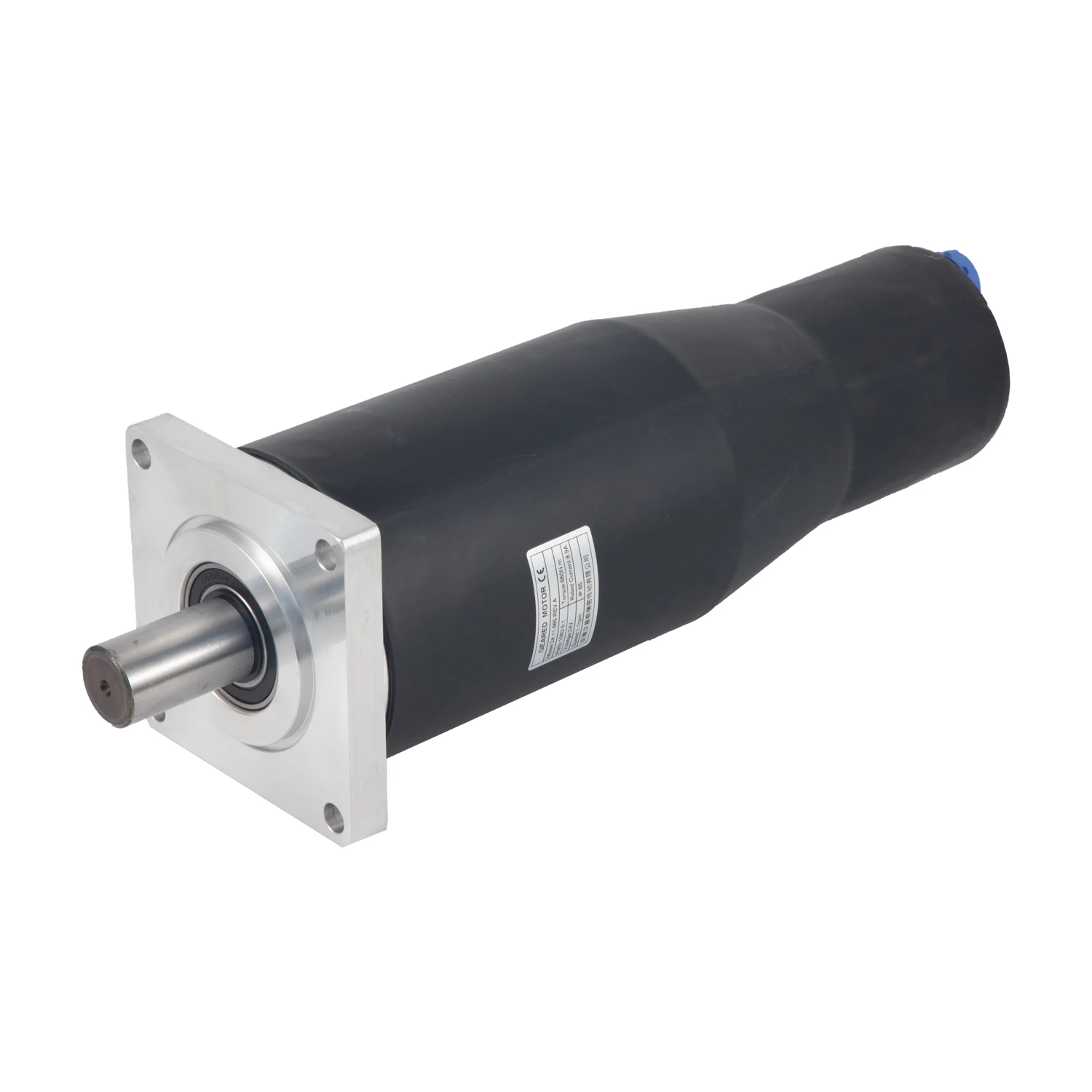
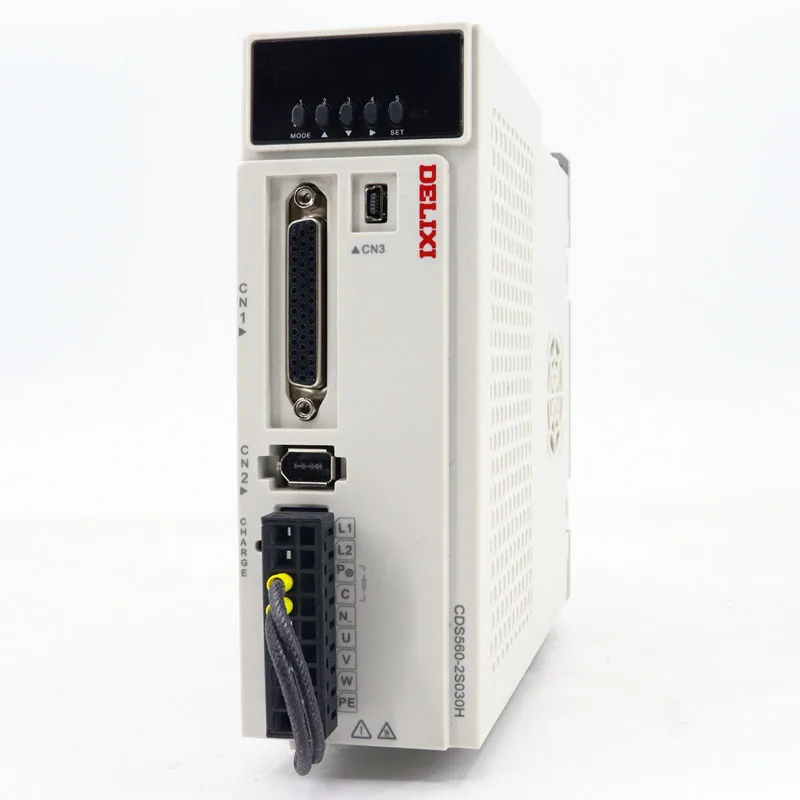
Integration with motors and controls directly affects reducer performance. Proper alignment minimizes torsional vibrations, while matched inertial loads improve dynamic response. Servo motor pairings with zero-backlash planetary reducers enable sub-0.01° repeatability, essential for robotics and precision automation.
Selecting the right gear ratio balances speed reduction, torque delivery, and system efficiency. A 20:1 ratio suits high-startup-torque applications like conveyors, whereas a 10:1 setup benefits rapid-cycle machines such as packaging equipment. Industry data shows application-specific optimization extends reducer lifespan by 18–32% in cyclic-duty scenarios.
Achieving ISO 1328-1 Class 4 precision through high-end grinding reduces noise by 12 dB but increases manufacturing costs by 40%. Many manufacturers opt for case-hardened alloy steels with ¥5 µm tooth profile deviations—a practical compromise that delivers 92% efficiency for general industrial use without excessive cost.
Emerging self-lubricating composite materials and AI-driven topology optimization are set to redefine performance limits. Graphene-reinforced gear prototypes achieve 97.3% efficiency at 200 Nm loads—4.1% higher than conventional designs—pointing toward broader adoption in aerospace and renewable energy where reliability and efficiency are paramount.
 Hot News
2026-09-24
2026-09-16
2026-09-16
2026-09-14
2026-09-11
2026-06-18

Copyright © 2025 by Delixi New Energy Technology (hangzhou) Co., Ltd. - Privacy policy
 EN
EN