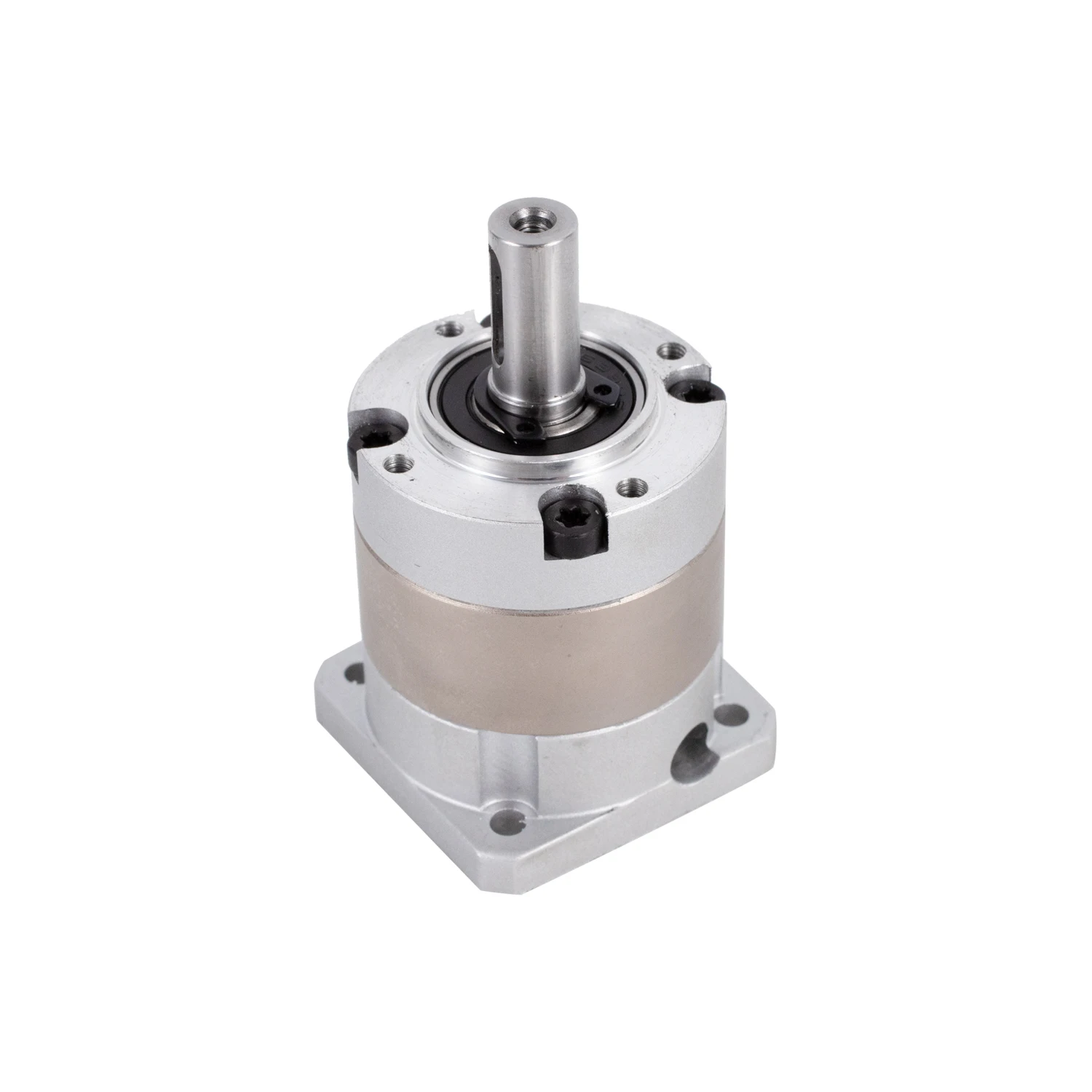
Speed reducers work best when temperatures don't swing too far from their design specs, ideally staying within about 10 degrees Celsius either way. When humidity gets too high, say above 85% RH, corrosion starts becoming a problem. And those little bits of dust or metal floating around in the air? They really mess with lubrication effectiveness, cutting it down by nearly half in some cases. Heat is another enemy because it makes everything expand, which throws off how gears fit together and speeds up wear and tear on components. Want to keep contaminants at bay? Make sure whatever space houses the reducer matches its IP rating requirements. That simple step goes a long way toward protecting equipment longevity.
The foundation needs to have concrete that's strong enough, around 25 MPa minimum, so it doesn't bend or flex when heavy equipment is running on top of it. If we're talking about metal baseplates, then those little shims between them and the floor should be at least 1.5 mm thick to get everything level properly. Getting this right matters because if the installation isn't stable enough, vibrations can actually become 3 to 5 times stronger than they should be, which wears out bearings much faster than normal. From an engineering standpoint, the whole structure has to handle about 150% of whatever torque the reducer produces without showing any sign of bending or warping over time. Otherwise, there will be problems down the road with parts deforming and needing replacement sooner than expected.
Mounting equipment securely on bases that resist vibrations can cut down on harmonic stress for gear teeth by around 60%, which means longer service life for the machinery. Try not to put these units close to any high frequency equipment above 50 hertz if possible. If there's no other choice, then anti vibration pads or isolation mounts become necessary. When installing horizontally, keeping the base flat within about 0.1 millimeters per meter helps avoid problems with shaft alignment issues later on. Good anchoring practices also help reduce oil foaming, something that often happens when machines aren't stable enough and ends up messing with how well the lubrication works overall.
Small mistakes in leveling equipment can actually create big problems down the road. When things aren't perfectly aligned, the weight gets distributed unevenly across all those moving parts like gears and bearings. The Power Transmission Engineers Association did some research back in 2023 showing just how serious this issue really is. They found that even a tiny misalignment of 0.1 mm per meter can make bearings wear out about 27% faster than normal. Getting everything centered properly stops what's called axial overloading, something that often leads to early equipment failures. And let's not forget about money either. Industrial facilities have reported saving as much as $18,000 each year on maintenance when they get their alignment right from the start. These numbers matter because downtime costs businesses real money, so getting alignment correct isn't just good engineering practice it's also smart business sense.
Modern laser alignment systems can spot tiny misalignments down to around 0.02 mm across a single meter of shaft length, which is roughly 70 percent better than what old school straightedges could manage. What makes these systems so valuable is their ability to figure out both angle differences and parallelism issues between motors and gearboxes all on their own, allowing technicians to fix problems while work is still happening. Plants that have switched to using lasers instead of manual methods tell us they're seeing about 40 something percent fewer unexpected shutdowns. For maintenance teams dealing with expensive machinery, this kind of improvement means big savings over time.
When someone handles couplings or installs sprockets roughly, it often leads to serious problems that cant be fixed later on. We're talking about things like bent shafts, bearings that move out of place, or even gears with cracked teeth. According to research from the Machinery Protection Institute back in 2023, about one out of every four early failures in speed reducers happens because too much force was applied incorrectly. For those tricky interference fits, its best practice to go with torque controlled hydraulic presses or try thermal expansion techniques instead. Keeping everything aligned axially during installation makes all the difference in preventing these kinds of issues down the road.
Flexible couplings are capable of handling around 3 degrees of angular misalignment plus about 5 millimeters of parallel offset, which cuts down on bearing loads by roughly 40 to 60 percent when compared with their rigid counterparts. These days, newer models like double diaphragm or grid spring versions provide better shock absorption without sacrificing torsional stiffness, and they can handle torque capacities well over 15,000 Newton meters. Industry professionals generally advise against using old school jaw type couplings because these transmit unwanted axial forces that tend to shorten the lifespan of reducers significantly over time.
Getting the right lubricant for specific operating conditions makes all the difference when it comes to avoiding component wear and reducing energy waste. Recent research from the industrial maintenance field shows that when viscosity doesn't match up in hot environments, gears start breaking down much faster than expected sometimes three times quicker according to one 2023 report. For those working in really extreme temps between minus 20 degrees Celsius and 150 degrees Celsius, synthetic oils generally do a better job than regular mineral oil options. On the other hand, grease tends to work well where equipment runs slower and gets less frequent attention from maintenance crews.
Keeping oil levels within about 3% of what the manufacturer recommends can actually add around 18 months to component lifespan, as noted in the Industrial Engineering Journal back in 2022. When there's too much oil, heat doesn't dissipate properly because all that extra fluid creates friction losses, cutting down on cooling efficiency by roughly a quarter. On the flip side, not enough lubricant means important parts get worn down faster since they're left exposed. For those working with vertical shafts specifically, it's crucial that the oil completely covers the gears when everything is running. This makes sure every tooth gets properly coated throughout operation, which maintains good lubrication across the board.
When vent holes get blocked, they can actually build up internal pressure reaching as high as 60 PSI just 30 minutes after starting operation. This puts seals at real risk of failing and causes oil leaks down the line. Before putting any system online, it's smart practice to test those vent valves through simulated thermal expansion cycles first. The oil plugs need proper torque applied too – somewhere between 20 and 30 Newton meters according to specs. Use good quality calibrated wrenches for this job. Make sure each plug sits completely flat against its housing surface when tightened. Any gaps here create entry points for dirt and other contaminants that will eventually ruin the whole system over time.
 Hot News
2026-09-24
2026-09-16
2026-09-16
2026-09-14
2026-09-11
2026-06-18

Copyright © 2025 by Delixi New Energy Technology (hangzhou) Co., Ltd. - Privacy policy
 EN
EN