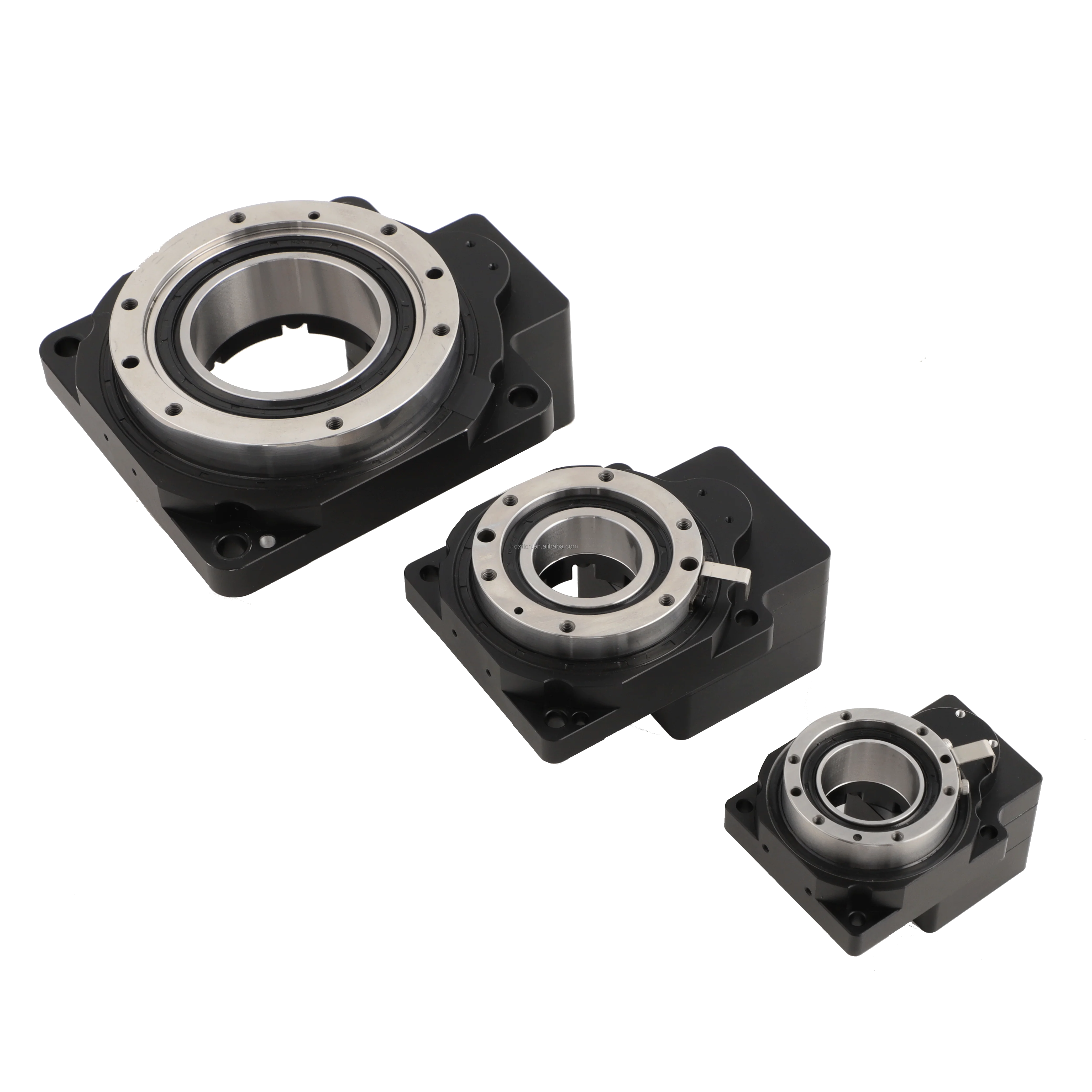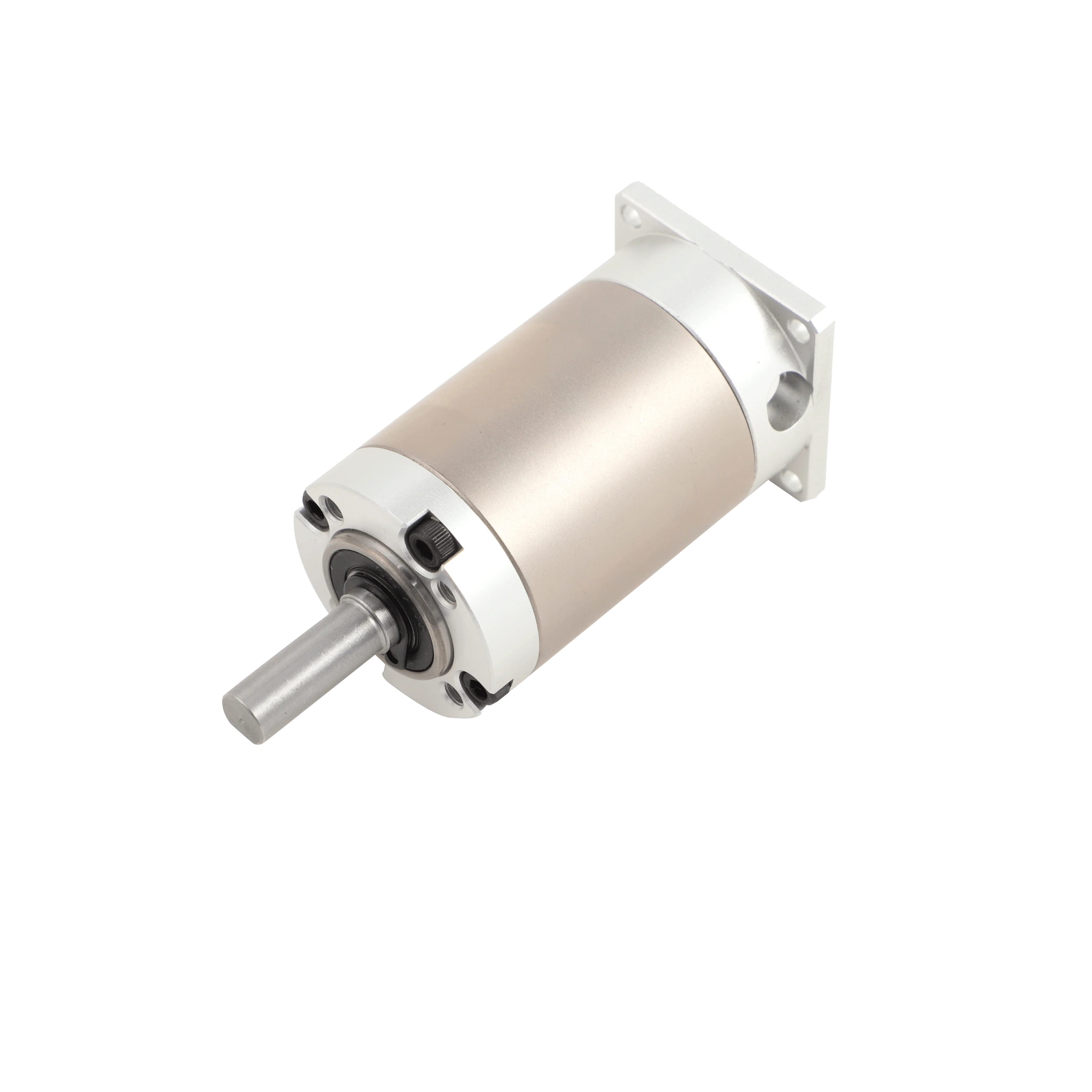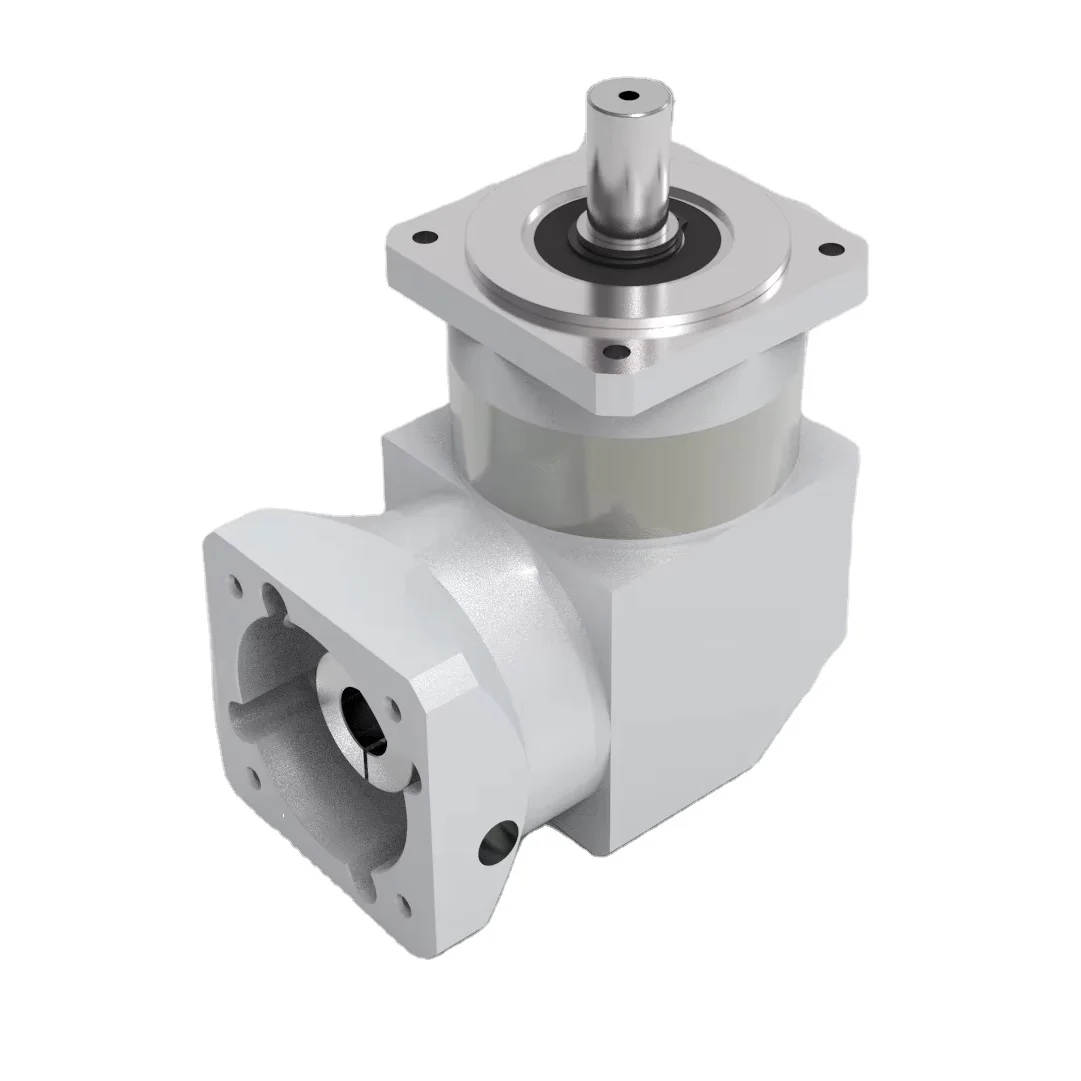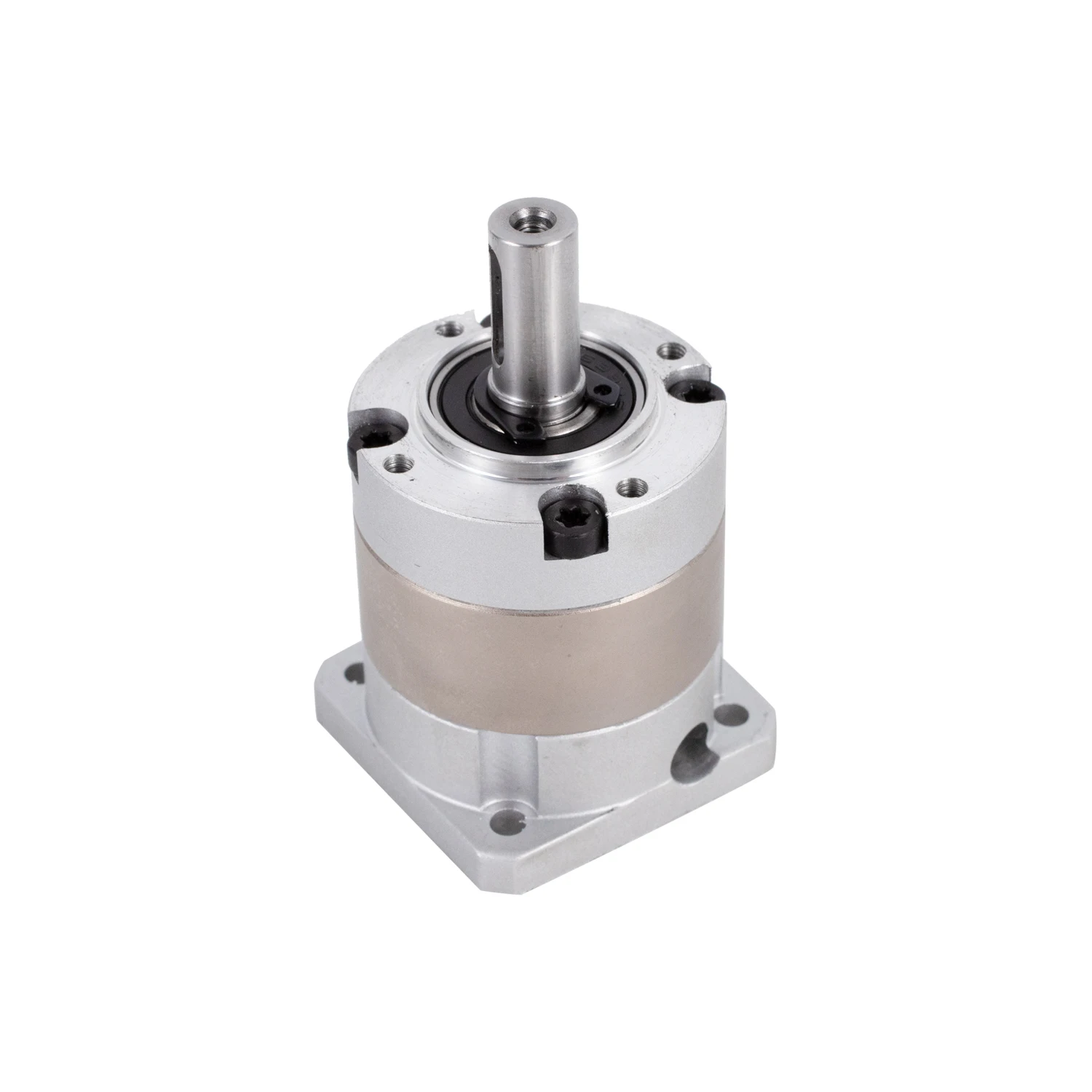
Backlash in gears refers to that small space between the teeth when they mesh together in speed reducers. The purpose? Well, it's there for several reasons really. First off, it allows room for parts to expand when they heat up during operation. Also helps with lubrication getting where it needs to go, and prevents gears from sticking together. Most industrial systems have around 0.025 to 0.1 millimeters of this gap, which comes down to how precisely things were manufactured and how different materials expand at varying rates. A recent study by BHI Engineering in 2024 found something pretty alarming actually - nearly two thirds of all speed reducer failures can be traced back to problems with backlash settings. That makes sense when we think about it, since getting this right or wrong directly affects whether machinery keeps running smoothly or breaks down unexpectedly.
Optimal backlash ensures smooth operation while maintaining precision. Insufficient clearance leads to overheating and accelerated wear, whereas excessive play can reduce positional accuracy by 12–18% during direction reversals. In automated packaging lines, for example, maintaining backlash below 2 arc-minutes is essential to achieve ±0.05 mm repeatability at high speeds.
Precision shims and tapered roller bearings allow micron-level adjustments, enabling advanced designs—such as those used in surgical robotics—to achieve backlash under 1 arc-minute.
Backlash as little as 2 to 3 arc-minutes can actually accumulate over time and create positioning errors greater than 0.15 mm in robotic arms. There's this dead spot when changing directions that makes servo motors work extra hard just to get things moving properly again. Closed loop systems try to fix these problems using encoder feedback, but there's still a limit to how precise reducers can be because of mechanical backlash itself. This becomes really important in places like semiconductor manufacturing plants where everything needs to line up within less than 0.01 mm tolerance for proper operation.
According to research published in 2023, about 57 percent of those pesky dimensional errors in CNC milling actually come down to speed reducer backlash going over 5 arc minutes. When this happens, we see all sorts of problems pop up during machining operations. Toolpaths start deviating when cutting contours, surfaces get rougher after finishing passes, and there's noticeable positional drift whenever multiple axes are moving together. Sure, today's machine controllers have digital backlash compensation features, but folks who rely only on software solutions tend to experience increased gear wear at around 22% higher rates, as noted in the Precision Machining Journal last year. For anyone concerned about maintaining equipment over time, mechanical corrections still play a vital role despite all the fancy digital options available now.
| Application | Acceptable Backlash | Primary Considerations |
|---|---|---|
| Packaging Robots | 3 arc-minutes | Repeatable pick-and-place |
| Steel Rolling Mills | 8-12 arc-minutes | Shock absorption, thermal growth |
| Pharmaceutical Dispensing | 1 arc-minute | Microliter fluid control |
Heavy-duty material handling systems often specify ≥10 arc-minutes to avoid binding under shock loads, prioritizing durability over precision. In contrast, optical alignment stages demand near-zero backlash (<0.5 arc-minutes), achieved through preloaded helical gears and dual-encoder verification.
Excessive backlash contributes to positioning errors greater than 0.1 mm in CNC operations, while insufficient clearance causes binding that raises bearing loads by 30–40%. This balancing act often results in premature wear or reduced accuracy, shortening average gear life by 18% in industrial environments.
Uncontrolled backlash intensifies tooth impact forces during reversals, producing vibration amplitudes above 4.5 m/s² in heavy-duty reducers. This "mechanical hammering" accelerates surface and micropitting wear, leading to component failure within 8,000–12,000 service hours, significantly less than the standard 20,000-hour lifespan.
To address these challenges, manufacturers employ solutions such as dual preloaded taper roller bearings—which reduce axial play by 75%—electronically controlled compensation systems offering ±0.05° accuracy, and asymmetric tooth profiles that maintain 3 arc-min clearance under load. Achieving <0.001" repeatability while withstanding 2,500+ Nm shock loads demands rethinking traditional gear mesh design principles.
Engineers often turn to spring loaded split gears when working with both spur and helical gear systems because they help keep teeth in constant contact despite opposing forces. When paired with those slightly tapered tooth profiles that slope between 3 to 5 degrees along the axis, plus some hardened steel shims measuring around 0.05 to 0.15 millimeters thick, most setups end up achieving pretty impressive precision levels ranging from 2 to 5 arc minutes. Real world testing has actually demonstrated something interesting too: helical gears tend to have about 23 percent less variation in backlash compared to standard spur gears. This happens mainly because the teeth engage more gradually as they rotate past each other.
Precise axial positioning of the worm wheel using micrometer-grade thrust bearings is key to controlling backlash in worm drives. A 2023 industrial case study showed duplex worm designs—with opposing lead angles—reduced thermal expansion-induced backlash drift by 41% compared to single-lead configurations in continuous-operation settings.
Hypoid and spiral bevel gears require sub-0.01 mm axial shimming accuracy during assembly, supported by high-stiffness tapered roller bearings capable of handling 15–20 kN radial loads. Modern CNC grinding techniques modify tooth profiles to correct up to 82% of alignment-related backlash, enhancing performance in automotive differentials.
| Adjustment Method | Precision Range | Typical Applications |
|---|---|---|
| Eccentric Bushings | ±0.1mm | Conveyor drive reducers |
| Linear Slide Ways | ±0.025mm | Robotics rotary actuators |
| Thermal Shrink Fit | ±0.005mm | Aerospace gearboxes |
This method adjusts the nominal center distance between shafts (C-factor = 0.25–0.4 × module), with laser-aligned slide systems achieving 1.8 microns of positioning repeatability in planetary gear reducers.
Today's gear design reduces backlash mainly by optimizing geometry and incorporating mechanical compensation techniques. The dual gear preloading system keeps teeth in constant contact throughout operation, which brings angular displacement down below 3 arc minutes on the better quality units. During assembly work, engineers can adjust shim packs and use tapered roller bearings to get things just right. Some systems even feature split gears with spring loaded components that take care of wear issues automatically over time. All these different methods combined result in about plus or minus 0.01 degree repeatability. That kind of precision matters a lot when building things like semiconductor manufacturing tools or industrial robots where tiny movements make all the difference.
The latest worm drive technology tackles backlash problems through clever design features like paired worms working against each other and gears that balance torque loads. When two worms are arranged with opposite spiral angles, they effectively neutralize those pesky axial forces while keeping teeth engaged throughout operation. This approach breaks the old dilemma where engineers had to choose between efficiency and minimal backlash. Field tests indicate these advanced systems cut down on energy loss called hysteresis by around 62 percent when compared to regular worm drives, and they maintain their precision for well over 15 thousand hours of continuous use. Because they automatically adjust themselves during operation, these drives work particularly well in applications where tiny movements matter most, such as in solar panel trackers that need to follow the sun's path accurately or in sophisticated medical imaging equipment where even microns of error can make a big difference.
New materials have made it possible to achieve better backlash control without sacrificing structural integrity. When case hardened maraging steel gears get a DLC coating similar to diamonds, they last about 40 percent longer before wearing down compared to regular carburized steel gears when subjected to the same workload. The latest hybrid preloading systems mix Belleville springs with hydrodynamic bearings to keep gears properly aligned even when temperatures swing wildly between minus 40 degrees Celsius and 120 degrees Celsius. These kinds of advanced combinations allow aerospace quality gear reducers to maintain less than one arc minute of backlash clearance while still handling sudden shocks equaling five times their normal operating torque capacity.
 Hot News
2026-09-24
2026-09-16
2026-09-16
2026-09-14
2026-09-11
2026-06-18

Copyright © 2025 by Delixi New Energy Technology (hangzhou) Co., Ltd. - Privacy policy
 EN
EN