When choosing industrial motors, the first step is figuring out what kind of torque and speed the application needs. The starting torque can really differ between different machinery. For instance, conveyor belts typically need around double their running torque to get going, whereas centrifugal pumps barely need any extra push at startup. Getting the continuous torque right matters for proper motor sizing. Motors that are too small for the job have about a 20% greater chance of breaking down early when dealing with heavy inertia loads according to recent studies. Speed requirements aren't just about how fast something goes either. Operators should look at full range of speeds plus how quickly the motor needs to accelerate. This becomes particularly important for equipment like packaging machines that stop and start frequently. Those sudden speed changes actually affect how hot the motor gets during operation, which impacts longevity in real world conditions.
AC induction motors have become pretty much the go-to choice for fixed speed work across industries. Think about conveyor belts running through factories or those big centrifugal pumps at water treatment plants. What makes these motors stand out is their solid build quality combined with minimal upkeep requirements, which works really well when they need to run nonstop in tough conditions day after day. Even when there's variation in what they're powering, these motors keep spinning at roughly the same revolutions per minute. That consistency actually helps save power in real world scenarios like moving materials around warehouses or keeping ventilation fans going in buildings, something traditional non regulated motor setups just can't match up to.
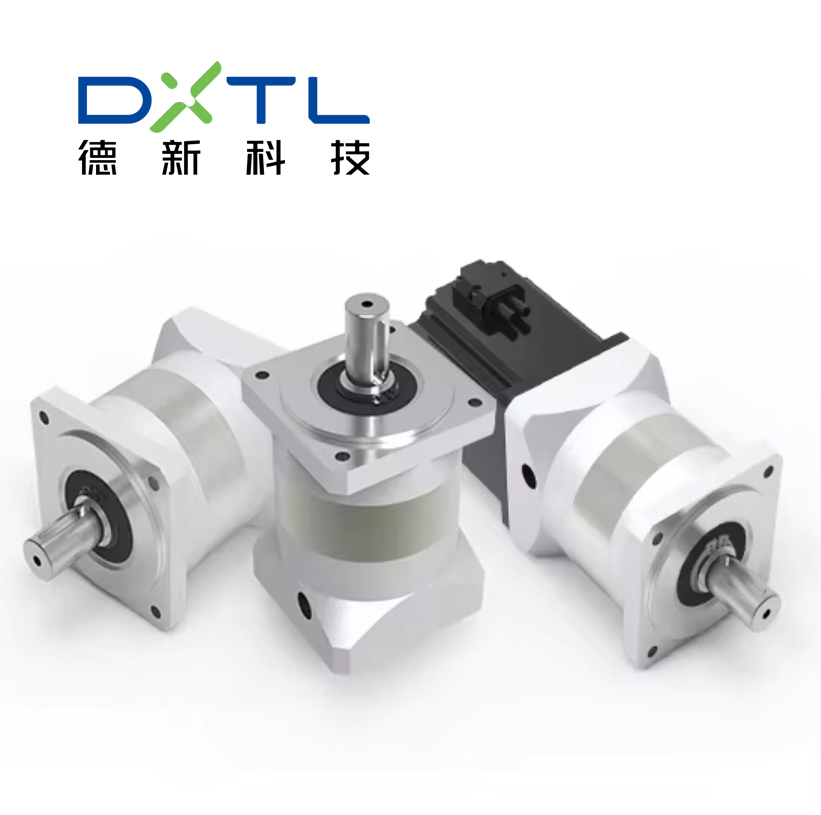
For applications needing positioning accuracy under ±0.1 degrees, servo motors generally perform better than other options thanks to their closed loop feedback systems and ability to adjust torque dynamically. Stepper motors remain popular for budget conscious projects such as basic 3D printing setups or simple CNC workstations where losing a few steps here and there doesn't really matter much. According to recent research published last year in the field of motion control technology, servos can settle into position about 92 percent quicker than stepper motors during those fast paced robotic assembly operations where components need to be picked up and placed accurately at high speeds.
Brushless DC (BLDC) motors deliver 85–90% energy efficiency and last 30% longer than brushed models, based on industrial testing data. Electronic commutation eliminates sparking, making them suitable for volatile environments. Their ability to generate high torque at low speeds supports critical processes in automated packaging and pharmaceutical filling lines.
 Hot News
2026-09-24
2026-09-16
2026-09-16
2026-09-14
2026-09-11
2026-06-18

Copyright © 2025 by Delixi New Energy Technology (hangzhou) Co., Ltd. - Privacy policy
 EN
EN