According to ASM International's 2023 report, around 72% of all gearbox failures come down to material fatigue and wear issues. The connection between how materials behave and why gears fail is pretty straightforward when we look at it closely. Tensile strength basically tells us if a gear can handle those constant bending forces without breaking, whereas surface hardness decides whether it will resist pitting damage or abrasion over time. Take for instance gears fabricated from low carbon steel like AISI 1020 steel. These often show signs of bending fatigue long before they should because their core isn't hard enough to cope with heavy torque applications. When there's this kind of gap between what the machinery needs and what the materials can actually deliver, certain failure patterns tend to emerge again and again. Smart engineers know this happens predictably enough that careful material selection becomes almost second nature in preventing these common problems.
Material failure from bending fatigue happens when something isn't tough enough to handle those sudden shock loads, which we often see in through hardened steels that just don't have much give in them. When gears aren't hardened properly, pitting problems get worse fast. Tests show this clearly with regular old 1045 steel gears that haven't been treated at all. Surface hardness needs to be above 55 HRC for these parts to last any decent amount of time. Carburizing and other case hardening methods can push surface hardness past 60 HRC, but if the hardened layer isn't deep enough (less than 0.8mm), then heavy loads will cause those annoying little flakes called spalling to form. And here's another thing to remember: wear gets really bad when the material isn't at least 1.5 times harder than whatever contaminants happen to be floating around in industrial settings.
At a meatpacking facility in Nebraska, their gearboxes kept failing every few months even though they were using standard AISI 4140 alloy steel components. When engineers looked into why this was happening, they found that the tempered martensite structure broke down quickly once temperatures exceeded 150 degrees Celsius. Turns out the original parts hadn't been properly heat treated at all. After switching to vacuum melted 8620 steel with a case carburization bringing hardness up to 62 HRC, these new gears lasted an impressive 54 months before needing replacement. The company spent around quarter million dollars on this upgrade, but saved themselves almost $18k each month by avoiding those costly breakdowns. Makes sense when you think about it really, as shown in last year's Reliability Engineering Journal study on industrial materials.
The materials used for gears need to handle really intense repeating stresses without getting permanently bent out of shape. When talking about material properties, tensile strength basically tells us how much stress something can take before it breaks completely, whereas yield strength indicates when the material starts to deform permanently. Take AISI 4140 steel as an example - this particular alloy has a yield strength around 950 MPa which means it can support dynamic loads well beyond 85,000 Newtons according to ASTM A370-22 testing standards. Industry guidelines from AGMA show there's a connection between surface hardness and how long gears will last under repeated bending forces. Most manufacturers aim for heat-treated steels with at least 500 HB hardness because these materials tend to hold up better during those incredibly long cycles of operation seen in heavy duty industrial gearboxes across factories worldwide.
Case hardening gives surfaces around 58 to 62 on the Rockwell scale for resisting scuffs and scratches, but keeps the inside part of the metal softer at about 28 to 32 HRC so it can handle sudden impacts without breaking. When surfaces get too hard beyond 64 HRC though, they become brittle and start developing those tiny pits when things slide against them fast. Some research looking at gear systems used in mines showed something interesting. Gears treated with case hardening had these gradual hardness changes from surface to center, and this design cut down on pitting problems by almost three quarters after running for 10,000 hours straight. That's according to AGMA standards document 925-A23 if anyone wants to check the details.
| Property | AISI 8620 | AISI 4140 | AISI 1045 |
|---|---|---|---|
| Hardness (HRC) | 60 (Case) / 32 | 55 (Through) | 25 (Untreated) |
| Impact Toughness | 55 J (Charpy) | 28 J | 45 J |
| Cost Index | 1.8x | 1.3x | 1.0x |
Case-hardened 8620 offers superior toughness for high-shock applications such as wind turbine gearboxes, whereas through-hardened 4140 provides higher bending strength for torque-dense systems. Untreated 1045 steel, though cost-effective, fails catastrophically under cyclic loads exceeding 40% of yield strength - a critical consideration in automotive transmission design.
When picking materials for mechanical components, engineers must weigh factors like strength, how well they resist wear, and what kind of environment the part will face. Alloy steels such as AISI 4140 and 8620 are go-to options for parts under heavy stress because they can handle tensile forces between 1,200 and 1,500 MPa, plus their surfaces get hardened through carburizing to over 60 HRC. Carbon steel grades like 1045 work fine for supporting loads when budget matters more than corrosion protection, though they don't stand up to pitting damage as well as those nickel chromium alloys do. Stainless steel holds its own in harsh chemical environments where other metals would corrode away, but doesn't last as long under repeated stress cycles compared to properly heat treated alloy steels. For housing components where vibrations need dampening, cast iron remains popular despite its weight issues. Meanwhile engineers sometimes turn to nylon and similar plastics for quieter operation in systems where torque requirements aren't too demanding.
| Material | Strength | Wear Resistance | Cost Efficiency | Best Use Case |
|---|---|---|---|---|
| Alloy Steel | Extreme | High | Moderate | Heavy-duty industrial gears |
| Cast Iron | Moderate | Medium | High | Housings, low-speed gears |
| Engineering Plastic | Low | Variable | High | Lightweight, non-critical |
Alloy steels definitely cost about 30 to 50 percent more upfront compared to regular carbon steels, but they tend to last much longer when used continuously, which means fewer replacements over time. For stationary gearboxes, cast iron actually ends up being the most economical choice in the long run despite what some might think. These components can stick around for 15 to 20 years under normal working conditions without major issues. On the other hand, engineering plastics look great on paper because they save roughly 40% initially for lightweight parts, but maintenance costs tend to climb in environments where there's constant abrasion happening. Many shops find themselves spending more money fixing plastic components down the road than they saved at first glance.
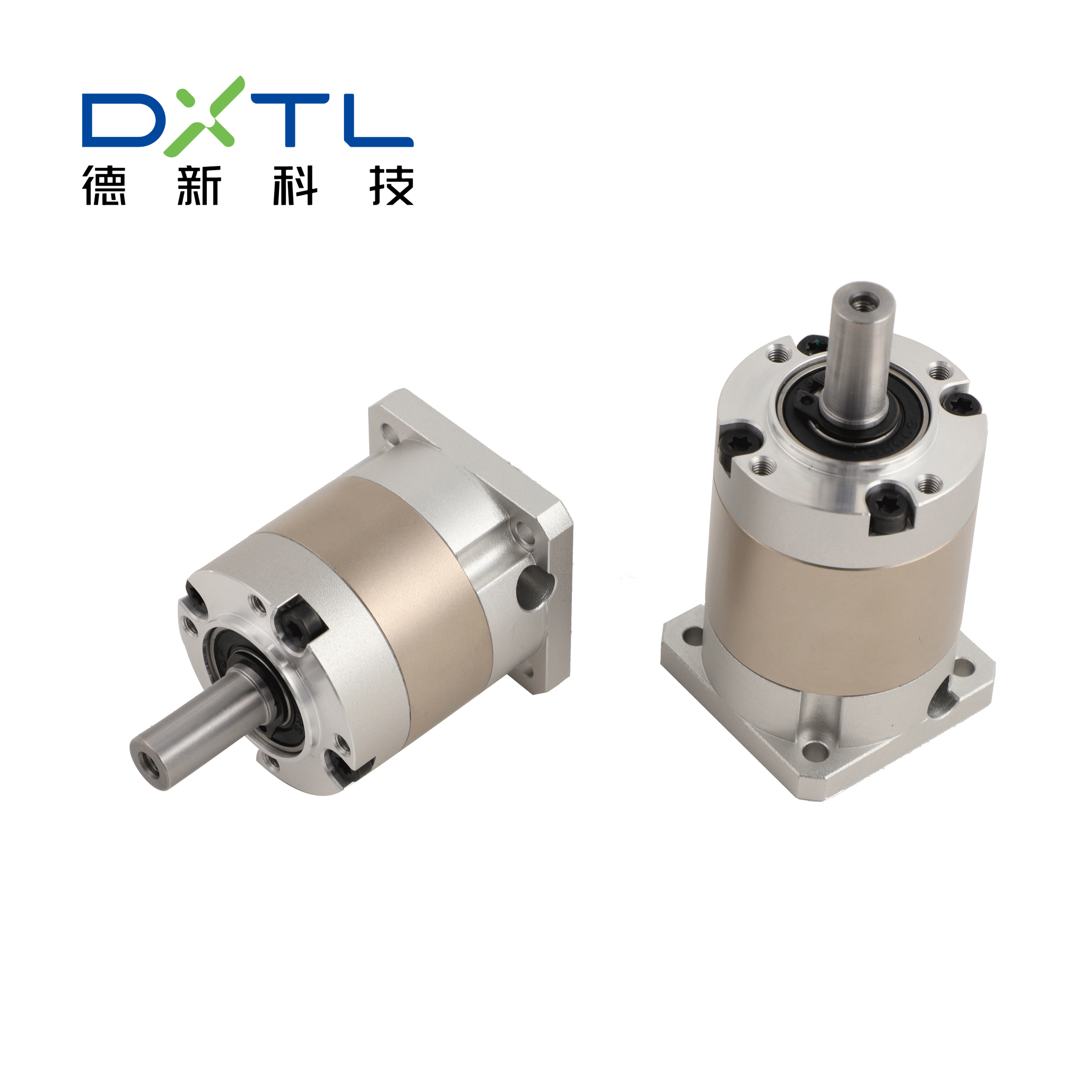
The materials used for gearboxes need to handle temperature changes well over 150 degrees Celsius in real industrial settings. Carbon steel components tend to wear out faster when subjected to constant loading and unloading cycles. When sudden shocks hit at three times the normal torque level, regular materials just won't cut it anymore. That's why tough alloys such as AISI 4340 become necessary in these situations. Another common problem happens when there's a mismatch in how much different parts expand with heat. The housing expands differently than the gears themselves, which sometimes causes them to seize up completely. This is actually one of the main ways planetary gearboxes fail when they aren't properly designed for their specific application.
Stainless steels and nickel-based alloys prevent chloride-induced stress corrosion cracking in marine gearboxes, where saltwater exposure cuts carbon steel lifespan by 63% (ASM International 2023). In chemical processing, super duplex steels outperform standard 304 stainless variants in resisting pitting from acidic coolants.
When used in wind turbine gearboxes running at speeds above 20 meters per second, case-hardened AISI 8620 steel keeps wear rates down to less than 0.1%. What makes this material so effective? Well, it has those hardened outer layers reaching over 60 HRC hardness while keeping the core around 30 HRC. This creates a nice balance between resisting wear and preventing cracks from spreading through the metal. For mining operations dealing with conveyor systems exposed to abrasive silica dust, applying carbide coatings can make all the difference. Gears treated this way last roughly eight times longer than their uncoated counterparts made from regular alloy steel. That kind of durability translates directly into fewer replacements and maintenance downtime in some of the harshest industrial environments out there.
Surface hardening techniques boost component longevity by making outer surfaces resistant to wear without compromising the flexibility of inner materials. When it comes to carburizing, this process adds carbon to low alloy steels typically around 900 to 950 degrees Celsius, which creates those tough outer layers we need for gears subjected to heavy loads. Another approach is nitriding where nitrogen gets absorbed into the metal surface at temperatures between 500 and 600 degrees Celsius. According to research published in Tribology International back in 2022, this can actually make parts about 40 percent more resistant to fatigue when used in high speed operations. For gear tooth roots specifically, induction hardening stands out as a good solution. It employs electromagnetic fields to target specific areas for hardening, and has shown real effectiveness against bending fatigue issues that come up during repeated loading cycles.
Heat treatment alters crystalline structures to optimize performance. Case hardening transforms surface austenite to martensite, achieving 60-65 HRC hardness while retaining a ductile core. Over-tempering reduces retained austenite below 15%, minimizing micro-crack initiation. Controlled cooling prevents carbide precipitation at grain boundaries, extending planetary gearset life by 30-50% compared to untreated components.
When shot peening is applied, it creates those important compressive stresses around -800 MPa which helps prevent cracks from forming in sun gears when they face those sudden torsional impacts. For surface finish work, precision polishing gets down to Ra values under 0.4 microns. This really matters because smoother surfaces cut down on lubrication problems in those high speed worm drive applications where oil just doesn't stick around long enough. The newer thin film coatings like tungsten doped DLC Diamond Like Carbon stuff bring friction numbers way down between 0.08 and 0.12. These modern coatings beat out old school phosphate treatments hands down when it comes to stopping scuff damage during the critical early running period of gears getting broken in.
 Hot News
2026-09-24
2026-09-16
2026-09-16
2026-09-14
2026-09-11
2026-06-18

Copyright © 2025 by Delixi New Energy Technology (hangzhou) Co., Ltd. - Privacy policy
 EN
EN