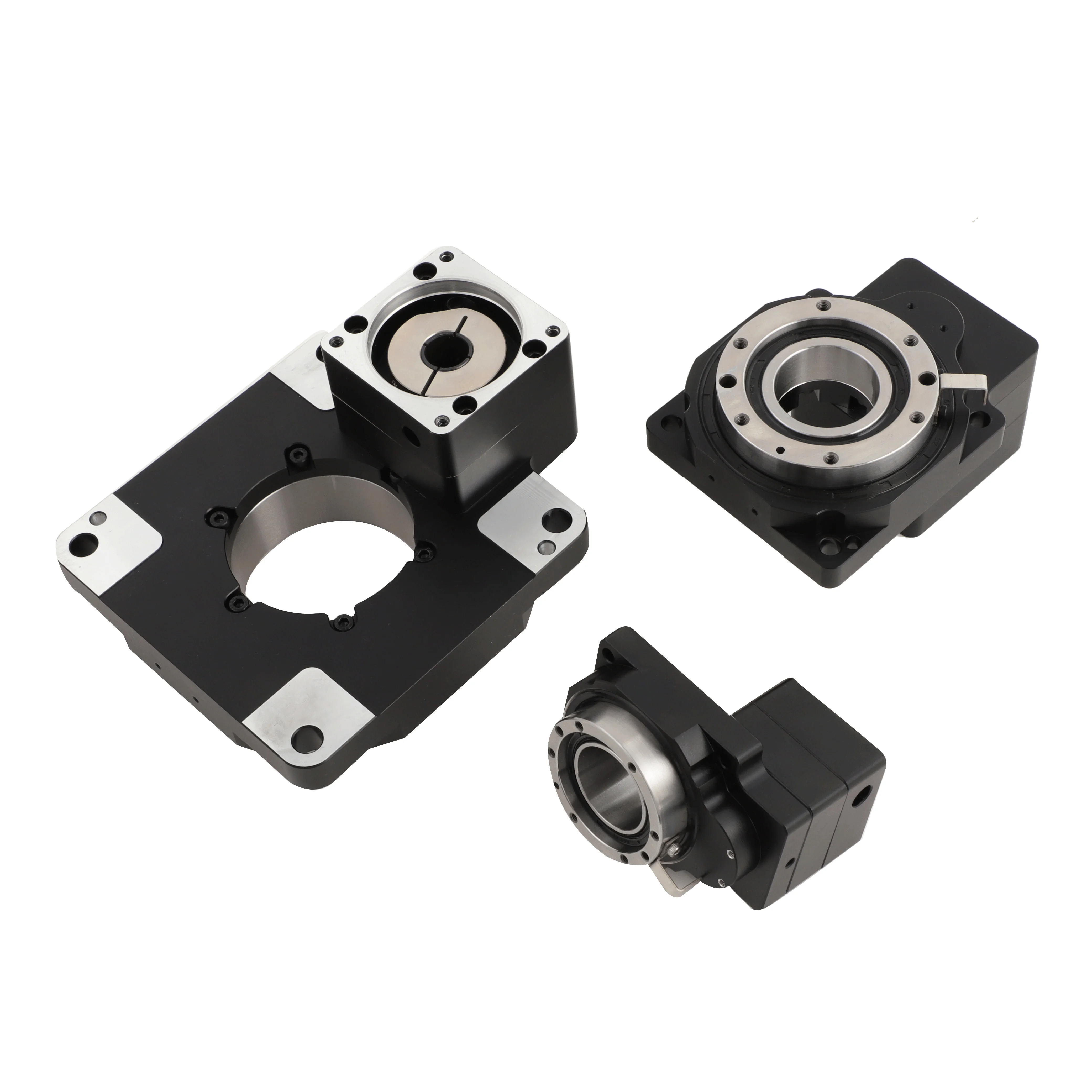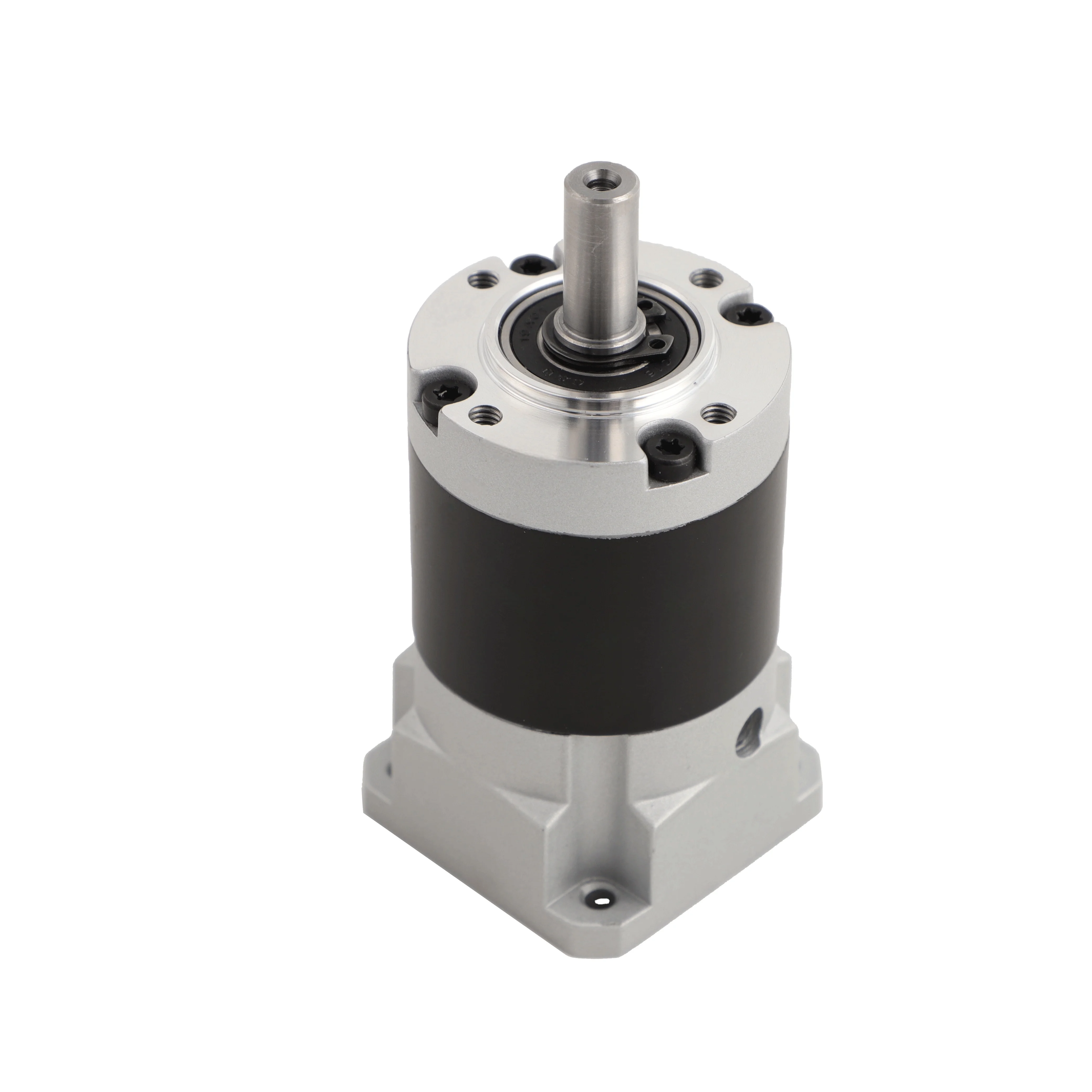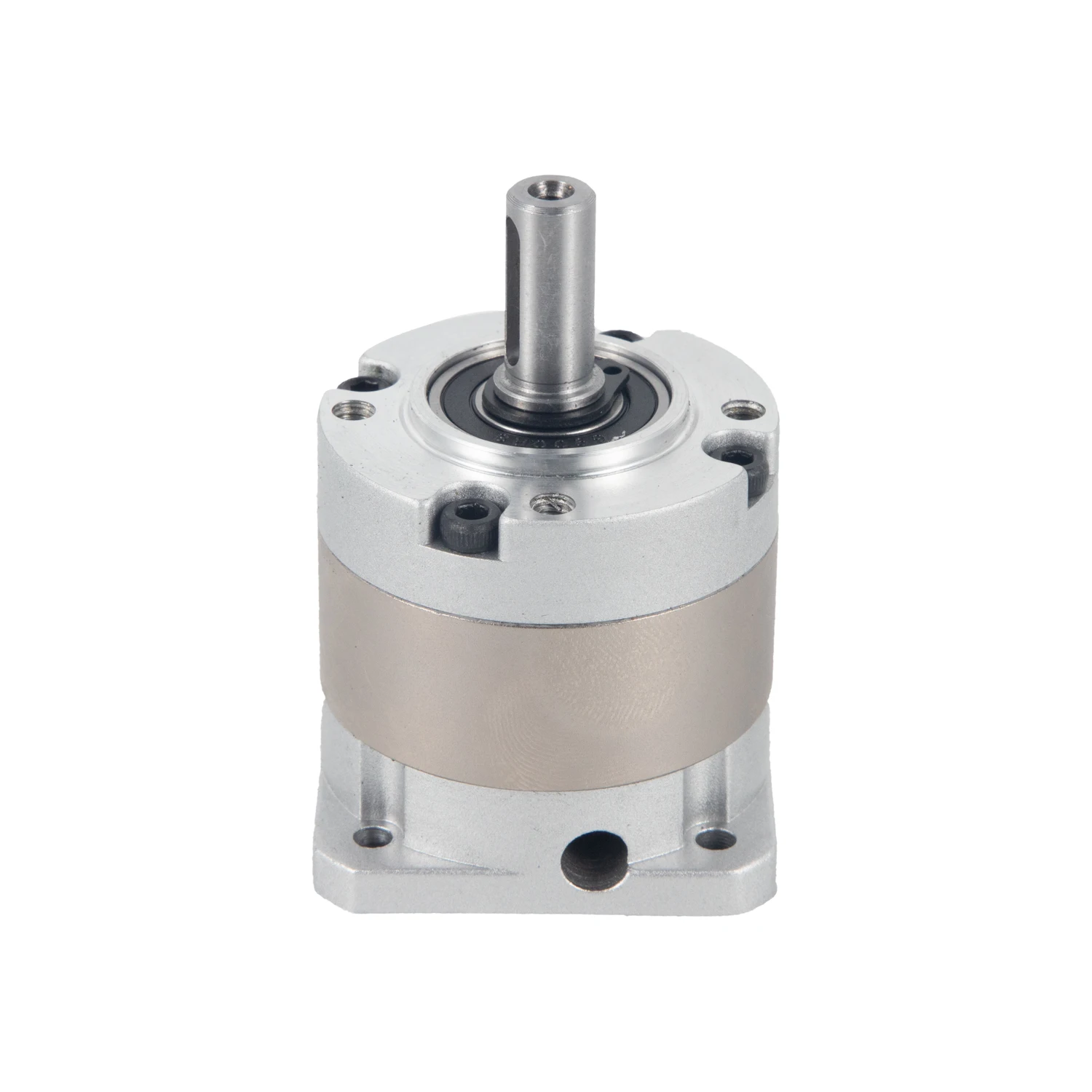
Getting the load right, designing those teeth properly, and making sure everything stays rigid are all key factors for a good lasting planetary gearbox. When engineers get the math right on things like gear size, tooth shape, and how much space there is between parts, they avoid problems like gears getting stuck together, lining up wrong, or wearing out too fast. The carrier needs to be solid enough to keep the gears meshing properly even when things get rough during operation. Some parts actually float around a bit which helps spread out the workload better if there's any slight misalignment happening. All these little details work together to take pressure off specific spots in the gear system. This means the whole thing lasts longer and works more reliably over time, which saves money in maintenance costs for manufacturers.
The choice of materials and how they're heat treated plays a big role in how long planetary gearboxes last. Most manufacturers go for high strength alloy steels that have been case hardened because these materials stand up better to stress and can handle heavier loads. When done right, controlled heating processes make the surface harder so it resists wearing down over time, but still keeps the inside tough enough to handle shocks and prevent cracking. Industry data shows that parts that get proper heat treatment tend to last around 40 percent longer than ones that skip this step. Getting this mix of good metal quality and proper heating just right helps maintain stable dimensions and keeps the gears performing well even when pushed to their limits in tough operating conditions.
Good lubrication plays a big role in reducing friction and wear when gears and bearings come into contact. The right oil thickness matters a lot depending on how fast things are moving and what kind of load they're carrying. Thicker oils work better for slow moving parts under heavy loads, whereas thinner oils help cut down on energy loss when components spin at high speeds. While following the factory recommended oil change schedule makes sense as a starting point, real world factors often require adjustments. Extreme temperatures or dirty environments can shorten these intervals significantly. Checking oil condition regularly through lab analysis catches problems before they become major issues. This early warning system lets maintenance teams address contamination or breakdown signs before they lead to premature part wear or complete system failures that cost time and money to fix.
When temps get too high, they start breaking down lubricants faster while wearing out components at an alarming rate. Most industrial gearboxes can only handle around 180 to 200 degrees Fahrenheit before things start going south. Once past that point, the protective film from lubricants starts to fail and oxidation kicks in much quicker, which means we're looking at increased chances of parts fatiguing or getting scored surfaces. Getting rid of excess heat usually involves passive approaches first, think those finned housings that help with air flow, but sometimes active cooling becomes necessary too. That's where integrated fans come into play or even water cooling systems for really tough situations. Monitoring temperatures in real time gives operators precious minutes to tweak load parameters or kick on backup cooling systems before serious thermal damage happens, keeping operations running smoothly even when pushed hard.
Getting contaminants into gearboxes is one of the main reasons they fail early on, and studies show around 40% of these failures come from particles getting inside. Things like dust, bits of dirt, and metal shavings basically wear away at gears and bearings over time. Water getting in makes matters worse because it causes rust to form and also makes the oil work less well. Good quality filters rated properly for microns really matter when trying to keep out bad stuff. Pairing these filters with regular checks of the oil can catch problems early enough so repairs can happen before everything gets completely shot. Most mechanics know this combo works best in practice.
Keeping seals intact matters a lot when it comes to stopping oil leaks and keeping dirt out. These days, manufacturers are making seals from better rubber compounds and adding multiple lips to them so they can handle tough conditions without failing. According to actual field reports, gearboxes that have good seal maintenance last around 60 percent longer before needing service compared to ones where the seals aren't doing their job properly. Checking these seals regularly as part of routine maintenance work stops small amounts of contamination from turning into bigger problems inside the machine. This kind of proactive approach helps maintain the delicate moving parts within planetary systems over time.
Planetary gearboxes face real problems when dealing with dynamic loads and sudden shocks. When overloaded, stress gets distributed unevenly across components which speeds up wear and makes teeth more likely to break. These shocks happen all the time in industrial settings from things like sudden machine startups, emergency stops, or unexpected collisions. What's worse is that these forces often go beyond what engineers designed for, leading to permanent shape changes or cracks forming in critical areas. Keeping proper backlash levels is essential for gears to mesh correctly. If there's too much space between gears because of normal wear or alignment issues, it creates harsh impacts whenever direction changes occur. This causes annoying noise, vibrations throughout the system, and eventually wears out materials faster than expected. While adding torque limiters and following manufacturer specs helps reduce damage, many maintenance teams still struggle with implementing these protective measures consistently across their operations.
Looking at vibrations has become one of the best ways to catch mechanical problems in planetary gearboxes right from the start. When something goes wrong, these systems tend to show unusual patterns that point to things like misaligned parts, imbalances, worn bearings, or damaged teeth on gears. The trick lies in studying how frequencies change over time and watching those amplitude levels go up and down. Predictive maintenance tools actually pick up on these subtle changes long before anything breaks completely. According to field reports from manufacturing plants, around two thirds of all mechanical issues get spotted through vibration checks well ahead of unexpected breakdowns. Creating what we call baseline profiles for normal operation and keeping an eye on them continuously lets maintenance crews plan repairs when it makes sense logistically rather than scrambling after a crisis hits. This approach not only keeps equipment running smoother but also means components last much longer between replacements.
If there's one thing that really makes a difference in how long a planetary gearbox lasts, it's having a good maintenance plan in place from day one. The best programs focus on three main things: regular inspections, checking the condition of components, and keeping thorough records of everything done. When technicians do their routine visual checks, they look for telltale signs like oil leaks around seals or strange noises coming from inside the unit. Oil samples taken periodically can show problems nobody would notice otherwise, such as dirt getting into the lubricant or when the oil starts breaking down over time. Monitoring vibrations gives another angle on what's happening mechanically inside the box. Small imbalances or alignment issues often show up here long before they actually cause damage. Companies that stick to their maintenance schedules and document every service activity tend to spot wear patterns much earlier. This means parts get replaced during normal maintenance windows instead of emergency situations. The bottom line? Fewer surprise breakdowns, lower repair bills overall, and gearboxes that keep running reliably year after year without major incidents.
 Hot News
2026-09-24
2026-09-16
2026-09-16
2026-09-14
2026-09-11
2026-06-18

Copyright © 2025 by Delixi New Energy Technology (hangzhou) Co., Ltd. - Privacy policy
 EN
EN