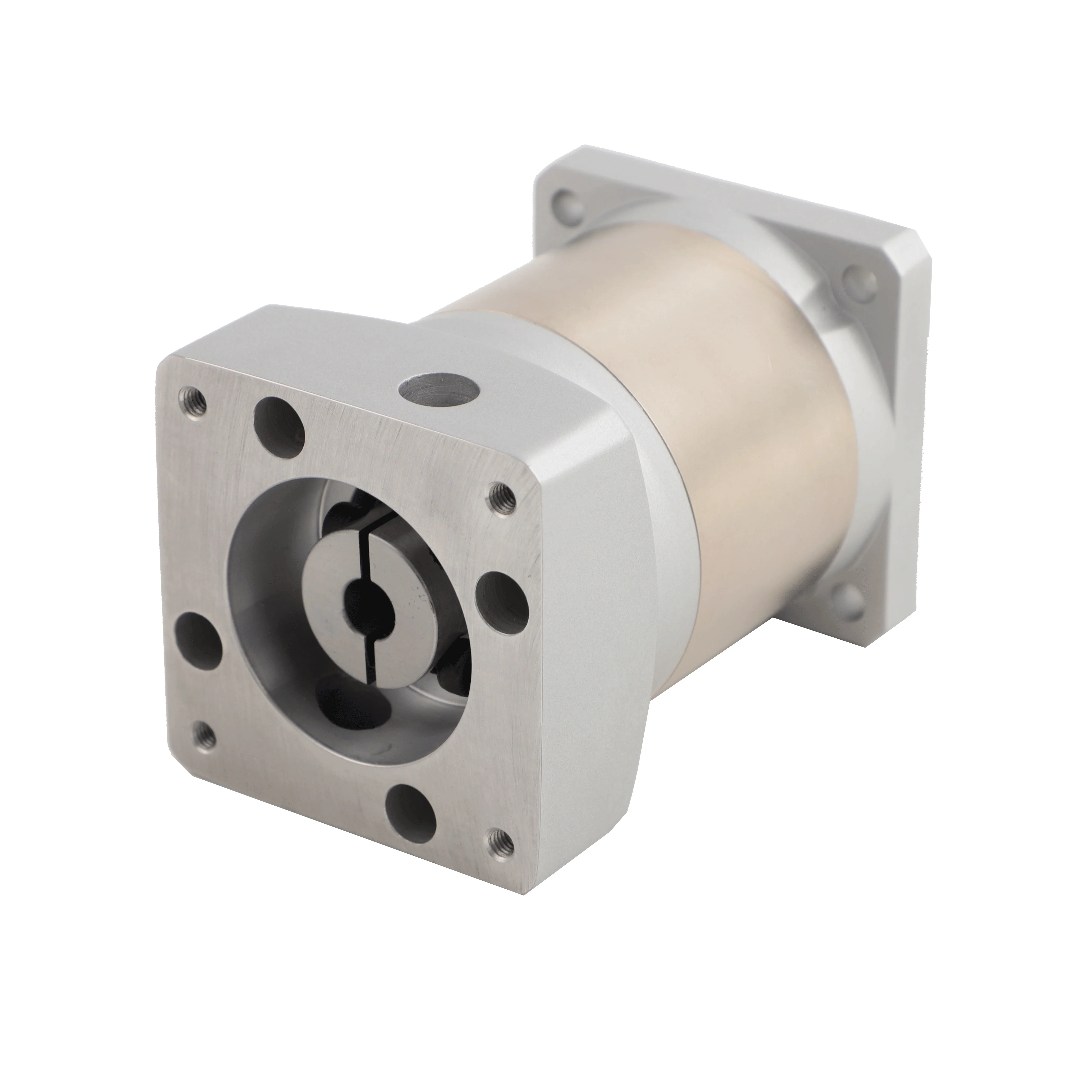
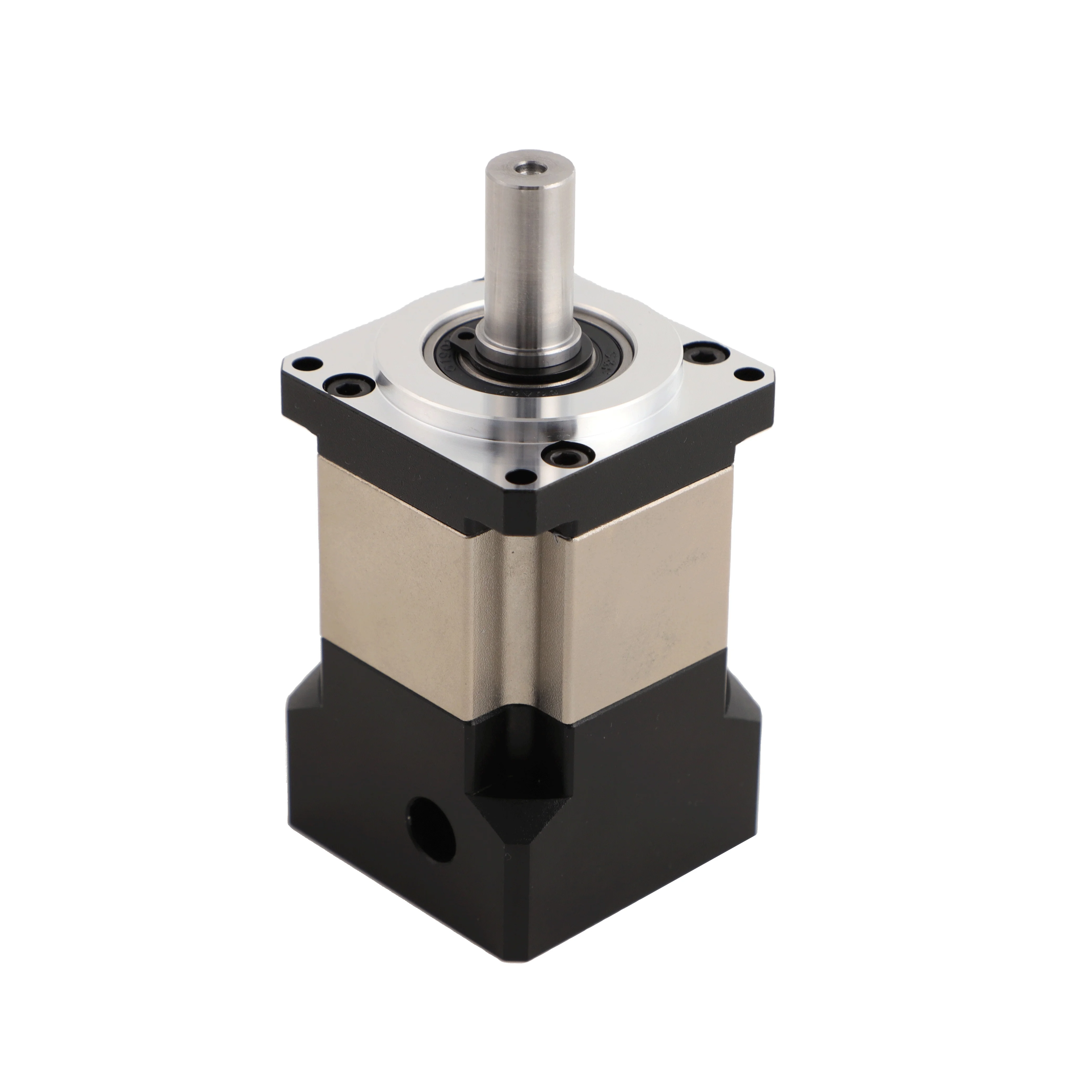
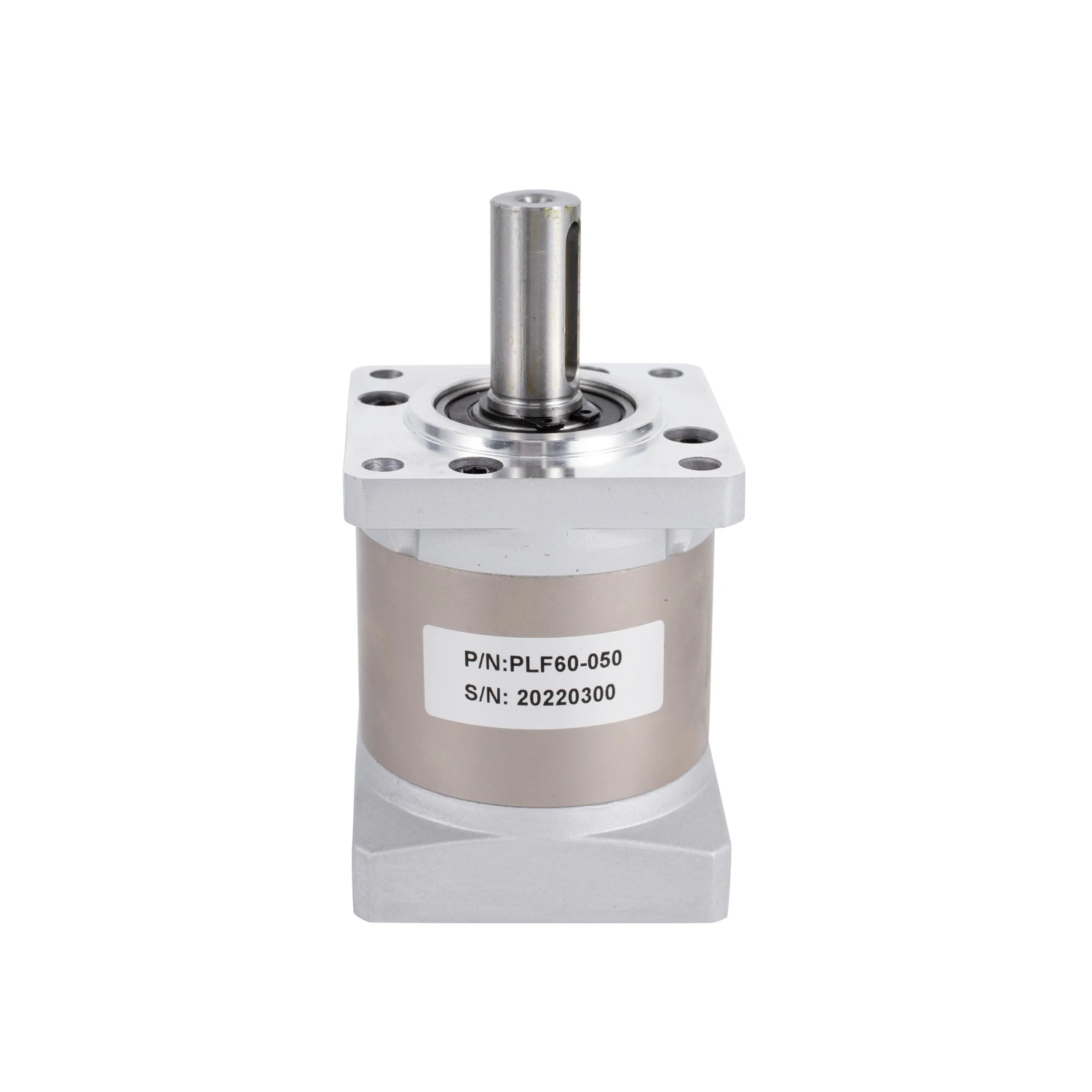
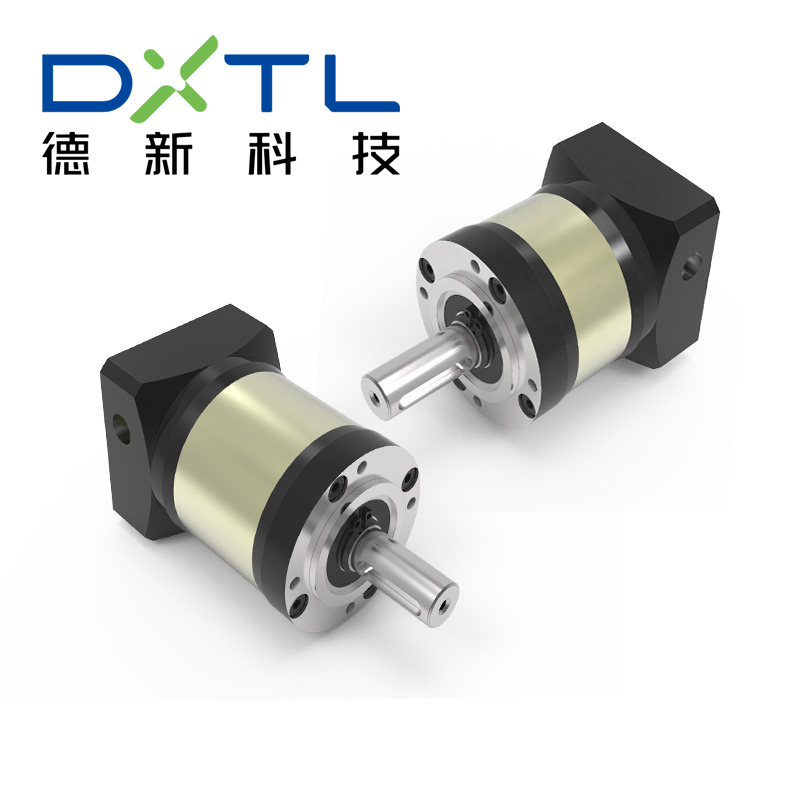
Proper lubrication serves as the lifeblood of any planetary gearbox, directly determining its operational efficiency, service life, and reliability. This compact, high-torque transmission system relies on precisely engineered lubrication to function optimally under demanding industrial conditions.
In planetary gear systems, good lubrication does three main things for the machinery. First, it cuts down on friction between those constantly meshing gear teeth. Second, it helps get rid of all that heat generated during operation. And third, it acts as protection against both wear and corrosion over time. What makes this so important is how these gears are arranged with multiple planets orbiting around them. This setup creates lots of pressure points where metal touches metal directly. When there's not enough lubricant present, what happens? Well, surfaces start wearing out faster than normal, temperatures inside the system climb dangerously high, and eventually parts just give out completely. According to research published last year in Gear Technology, getting lubrication right can boost mechanical efficiency somewhere around 2.5%. That might not seem like much at first glance, but when we're talking about machines running nonstop day after day, even small improvements translate into real money saved on energy costs.
A good quality lubricant creates a protective layer between gear teeth, either hydrodynamic or elastohydrodynamic in nature, which prevents metal from touching metal directly. This significantly cuts down on friction, sometimes by around 60% when compared to running gears without any lubrication at all. Less friction means less energy gets wasted inside the system, so overall efficiency improves quite a bit. The lubricant also helps fight against those tiny pits and wear patterns on surfaces that often lead to early gear failures, especially in planetary gear systems. When loads are spread evenly across the tooth surfaces thanks to proper lubrication, these problems just don't happen as frequently. Real world tests in industry settings have shown that getting lubrication right can actually double the lifespan of equipment components, extending service life anywhere from 30 to 40 percent. Plus, there's about a quarter less downtime needed for maintenance work too, according to recent findings published in the Industrial Lubrication Journal back in 2023.
When there's not enough or the wrong kind of lubrication, it can really damage planetary gearboxes. As temperatures go up during operation, the protective oil film gets weaker and starts breaking down faster. This leads to problems like surface damage, small cracks forming on teeth, and sometimes complete gear failure. Studies show around 45 percent of these gearbox breakdowns come from lubrication issues, making poor lubrication by far the biggest problem according to Machinery Lubrication data from last year. What happens next is worse for operations too. Machines start consuming more electricity, lose their ability to handle force properly, and perform inconsistently which messes up everything further down the production line. Maintenance teams often find themselves scrambling to fix these preventable issues after they've already caused significant downtime.
Picking the right lubricant means looking at several things that all affect each other: what kind of load it has to handle, how fast it's spinning around, and what sort of environment it works in. When dealing with heavy loads, we need those special EP additives in the oil to stop metal parts from touching when things get really stressed out. For stuff that spins super fast, thinner oils work better because they don't create so much heat and drag as they churn around. Then there are all the environmental factors too. The temperature where it operates matters a lot, along with moisture levels, dirt getting in there, chemicals in the air, and what regulations say about it. Take food processing plants for instance—they have strict rules about what kinds of oils can be used near food products. That's why NSF H1 registration becomes important there. Outdoors in freezing cold places? Synthetic oils that stay liquid even when temps drop below zero become a must have. Getting this matching right between what the oil can do and what the machine actually faces day to day makes all the difference in keeping equipment running smoothly and avoiding unnecessary damage over time.
When it comes to planetary gearboxes, synthetic lubricants beat mineral oils hands down in several important ways that affect how long these components last. Thermal stability is one big factor, along with how well they resist oxidation and keep their viscosity over time. Synthetic oils stay consistently viscous even when temperatures swing from as low as minus 40 degrees Celsius all the way up to 150 degrees, whereas mineral oils typically work best between zero and 100 degrees. That makes synthetics much better suited for situations where temperature extremes or fluctuations are common. Another major advantage is service life. Most synthetic lubricants last around two to three times longer than their mineral counterparts, which means fewer oil changes and less chance of unexpected equipment shutdowns. Mineral oils still have their place in basic applications where conditions aren't so harsh. But for those high precision systems under heavy loads, synthetics provide far better defense against problems like micropitting and micro-welding. For industries where equipment reliability directly impacts production schedules, this kind of performance justifies the extra investment in synthetic lubricants.
Choosing the right viscosity affects how well the oil forms a protective film and how efficiently it works. If the viscosity is too low, the oil can't carry heavy loads properly. On the flip side, if it's too thick, there's more drag on moving parts and starting up when things are cold becomes problematic. Most industrial planetary gearboxes work fine with ISO VG grades between 68 and 220, though manufacturers usually go for thicker oils when dealing with really heavy loads or hot environments. Good thermal stability means the oil keeps its properties even when temperatures climb past 100 degrees Celsius. This helps prevent breakdowns, sludge buildup, and loss of those important additives over time. Industry experts generally recommend picking an oil viscosity that creates enough film thickness at maximum operating temps while still letting the system start reliably and circulate properly in colder weather conditions. Getting this balance right ensures proper protection throughout all normal operating ranges.
When there's not enough lubrication, it creates problems because the protective oil film doesn't form properly. This means we get situations where metal parts actually touch each other instead of being separated by lubricant. The result? Faster wear happens across critical components like planet gears, ring gears, and those carrier bearings. Plus, all this friction creates extra heat which makes the lubricant break down even faster than normal. According to what many maintenance professionals have observed in practice, around half of all early failures seen in planetary gearboxes come down to inadequate lubrication issues. These failures cut short how long equipment lasts before needing repairs, and they also drive up maintenance expenses over time as replacement parts become necessary sooner rather than later.
Putting too much lubricant into machinery creates problems with how fluids move around inside. When there's extra oil floating around, it starts churning instead of doing what it should, which makes parts rub against each other more than they need to. The result? Temperatures go up anywhere from 15 to maybe even 20 degrees Celsius beyond what was intended when designing the equipment. All this heat messes things up in several ways. First off, the oil breaks down faster because of oxidation. Second, those helpful additives that protect against wear get used up quicker than normal. And third, the seals start feeling all kinds of pressure, which eventually leads them to bulge out, leak, or let dirt and other contaminants sneak in where they don't belong. Looking at maintenance records shows something pretty clear: just having too much lubricant can push energy usage up by as much as 10 percent because of all that wasted motion from excess oil sloshing around. That really eats away at any efficiency improvements that could have been made with proper lubrication practices.
Getting the right amount of lubrication isn't about sticking to some general schedule found in a manual. Instead it really comes down to what specific conditions the equipment is facing day to day. Most manufacturers will give guidelines for how much oil goes in initially and when they think it should be changed again somewhere between 5,000 to 15,000 operating hours. But those numbers don't tell the whole story. Factors like how heavy the load is, what kind of temperatures things run at, whether there's dirt getting into the system, and how often the machine actually runs all need consideration before deciding on maintenance timing. For anyone serious about keeping machinery running smoothly, investing in good quality measuring tools matters a lot. Things like properly calibrated dispensers and checking oil levels through sight glasses or dipsticks help prevent problems caused by either too little or too much lubricant. And let's not forget about oil sampling either. Regular lab tests can show exactly what shape the lubricant is in, which helps determine if those change intervals need adjusting. This approach lets technicians fix issues before they become major headaches instead of just following a clock on the wall.
Proactive lubricant condition monitoring is fundamental to achieving maximum service life and reliability in planetary gearbox systems. Regular oil analysis provides critical insights into lubricant health, detecting early signs of degradation, contamination, or abnormal wear patterns that could indicate developing mechanical issues.
Oil analysis programs monitor several critical parameters that tell us what's happening inside machinery. Things like changes in viscosity, acid levels, base numbers for extreme pressure oils, particle counts, metal content from wear, and additives all get checked regularly. When we see certain patterns emerging, they become red flags. For instance, increased iron and chromium often means gears or bearings are wearing down. A sudden spike in silicon usually points to dirt getting into the system somewhere. And when viscosity drops off, that typically signals either heat damage or contamination from other fluids. Modern spectrometers can pick up on wear particles as tiny as 5 microns though, which gives technicians a chance to pinpoint exactly where problems might be developing long before anyone notices anything wrong during operation.
Getting accurate analysis right starts with good sampling practices. When collecting oil samples, it's best to take them from areas where there's actual flow happening, like return lines or special sampling ports, while the system is running normally. Always use clean tools specifically for sampling to prevent mixing different oils. Keep those storage containers sealed tight, put in some decent filters that block particles down to around 3-6 microns (look for beta ratings above 200 if possible), and store all lubricants somewhere where temperature stays stable and nothing gets into them. Industry research shows that when companies really focus on keeping contaminants out, they often see their lubricants last about 75% longer before needing replacement, plus maintenance bills for those big gearboxes drop roughly 30%, according to Noria Corp findings from last year. Once we start building up baseline data on oil condition and track changes over months instead of just spot checks, lubrication becomes something we can predict rather than constantly fixing after problems happen. This approach helps get the most out of our lubricants while keeping those expensive gear systems working reliably for years.
 Hot News
2026-09-24
2026-09-16
2026-09-16
2026-09-14
2026-09-11
2026-06-18

Copyright © 2025 by Delixi New Energy Technology (hangzhou) Co., Ltd. - Privacy policy
 EN
EN