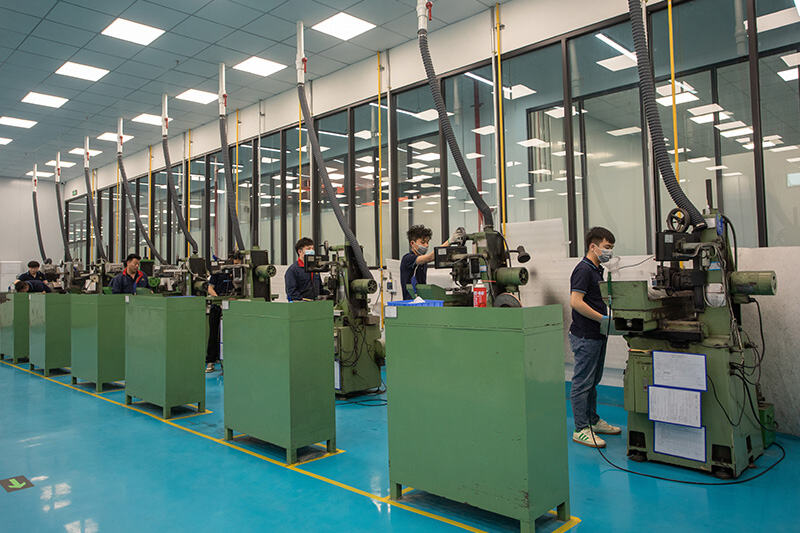
If you work with equipment powered by a motor, you know how vital this component is to keeping operations running. A motor that fails unexpectedly can shut down production, delay projects, and cost a lot in repairs. But here’s a key point many people miss: regular load testing is one of the best ways to keep your motor reliable. Load testing checks how a motor performs under real working conditions, not just when it’s idling. It’s not just a routine chore—it’s a way to catch problems early and keep your motor in top shape. Let’s break down why load testing is so important and how to do it right.
Catch Hidden Issues Before They Cause Failure
A motor might sound fine when it’s running without a load, but hidden problems can lurk beneath the surface. Things like worn bearings, weak windings, or inefficient cooling systems often only show up when the motor is under actual load. Regular load testing pushes the motor to work as it does in real use, making these issues visible. For example, a motor with a damaged winding might overheat quickly when loaded, even if it runs cool at idle. Or worn bearings could cause unusual vibrations only when the motor is carrying a load. By catching these problems early, you can fix them before they lead to a sudden motor failure. This saves you from unexpected downtime and the high costs of emergency repairs or replacing the entire motor.
Ensure the Motor Meets Performance Standards
Every motor is designed to handle a specific load range, and over time, its performance can decline. Regular load testing lets you check if your motor is still meeting the manufacturer’s performance standards. For instance, if a motor is supposed to run at a certain speed under a specific load but starts slowing down, that’s a sign something’s wrong. Maybe the motor is being overloaded, or internal parts are wearing out. Load testing also helps you verify that the motor is using energy efficiently. A motor that’s not performing up to standard will waste electricity, increasing your energy bills. By keeping your motor within performance limits through load testing, you ensure it works efficiently and reliably, just like it did when it was new. Brands like DXTLEX often recommend specific load testing schedules to maintain motor performance.
Prevent Overloading and Extend Motor Lifespan
One of the biggest causes of motor failure is overloading. Many people don’t realize their motor is carrying more weight or power than it’s designed for until it breaks down. Regular load testing helps you monitor the actual load the motor is handling. If you notice the load is consistently above the motor’s rated capacity, you can adjust the equipment or replace the motor with a more powerful one. This prevents overloading and reduces wear and tear on the motor’s parts. A motor that’s not overloaded will last much longer—sometimes twice as long as one that’s pushed beyond its limits. Load testing also helps you identify if the motor is underloaded, which can be a problem too. Underloaded motors can develop issues like poor lubrication and increased vibration. Finding the right load balance through testing keeps your motor healthy and extends its lifespan.
Guarantee Safety for Workers and Equipment
A faulty motor isn’t just a productivity issue—it’s a safety hazard. A motor that’s failing can overheat, catch fire, or cause electrical shorts. It can also lead to equipment malfunctions that put workers at risk of injury. Regular load testing helps ensure the motor is safe to use. For example, testing can reveal if the motor’s cooling system is working properly to prevent overheating. It can also detect electrical issues like insulation breakdown that could cause shocks. By fixing these problems early, you create a safer work environment for everyone. Many safety regulations also require regular testing of industrial motors to comply with standards. Load testing isn’t just good practice—it’s often a legal requirement to keep your workplace safe.
How to Perform Effective Load Testing
Doing load testing right doesn’t have to be complicated. First, follow the manufacturer’s guidelines for testing frequency—most motors need testing every 6 to 12 months, depending on usage. Use the right tools: a load tester that can apply real working conditions to the motor. Start by checking the motor’s basic settings, like voltage and current, before applying the load. Gradually increase the load to the motor’s rated capacity and monitor parameters like temperature, speed, and vibration. Record the results each time so you can track changes over time. If you notice any significant changes—like a sudden increase in temperature—investigate the cause. You can do basic load testing in-house, but for complex motors, it’s best to hire a professional. Keeping detailed records of each test helps you spot trends and plan maintenance ahead of time.
Regular load testing is an investment in your motor’s reliability and lifespan. It catches hidden problems, ensures performance, prevents overloading, and keeps your workplace safe. By making load testing part of your regular maintenance routine, you avoid unexpected failures and keep your equipment running smoothly. A well-tested motor is a reliable motor, so don’t skip this crucial step in motor care.
 Hot News
 EN
EN