Regular Cleaning to Prevent Dust and Debris Buildup
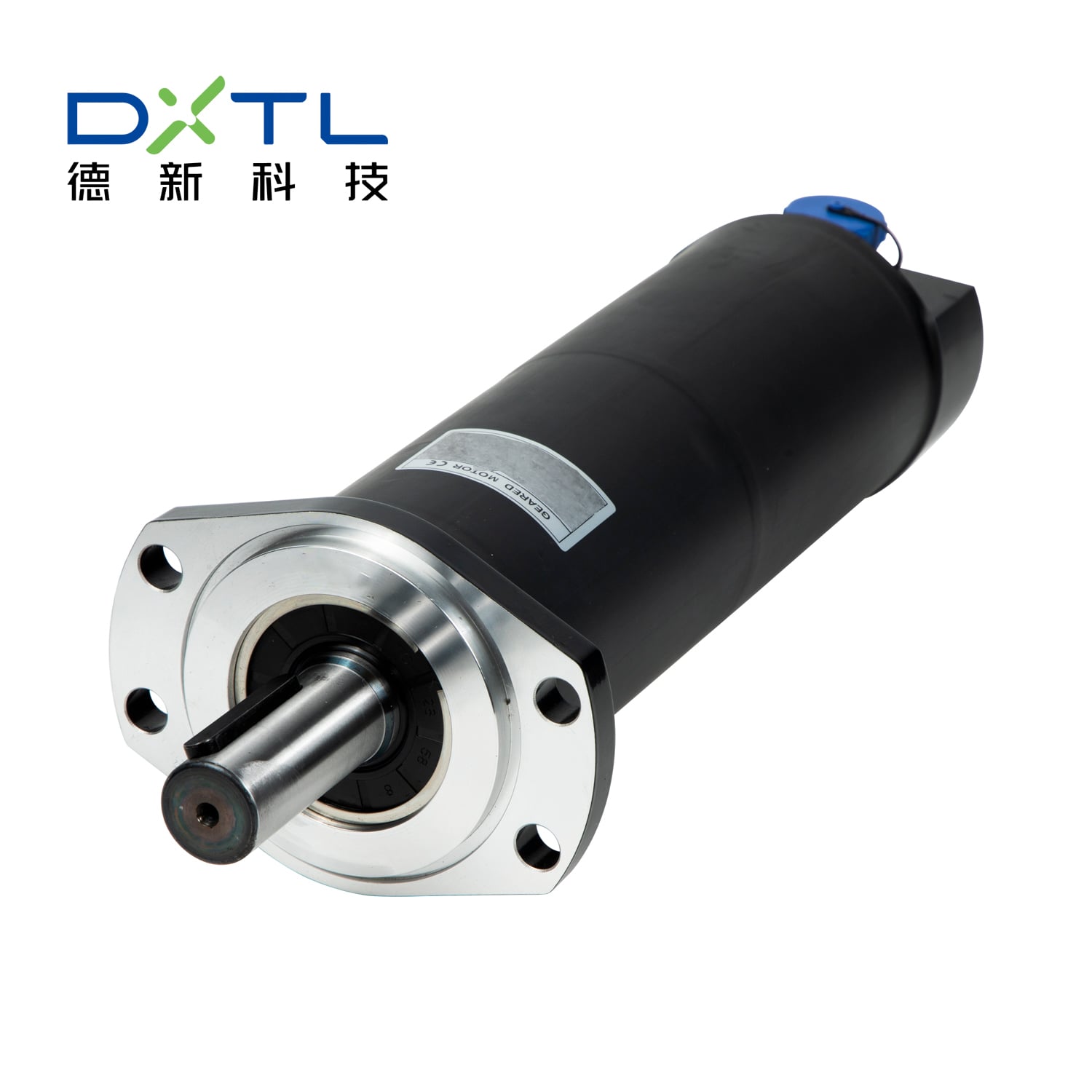
Keeping your brushless motor clean is one of the simplest yet most effective maintenance steps. Over time, dust, dirt and small debris can accumulate on the motor’s surface, especially around the stator windings and rotor. This buildup blocks heat dissipation, making the brushless motor run hotter and increasing the risk of overheating damage. It can also get into the gaps between moving parts, causing extra friction that wears down components faster. To clean it, first turn off the power and let the brushless motor cool down completely. Use a soft brush or compressed air (at low pressure) to gently blow away loose dust. For sticky dirt, dampen a lint free cloth with a mild cleaning solution (like a mix of water and a little dish soap) and wipe the surface gently—never pour liquid directly onto the motor. Make sure to dry the brushless motor thoroughly before turning it back on, as moisture can cause short circuits or rust.
Monitor Operating Temperature and Ensure Good Heat Dissipation
Brushless motors rely on stable temperatures to work well, so keeping an eye on their operating heat and maintaining proper heat dissipation is key. Most brushless motors have a recommended temperature range (usually between 40°C and 80°C), and running them above this range for too long can weaken the permanent magnets in the rotor and damage the insulation on the stator windings. To monitor temperature, you can use a contactless infrared thermometer to check the motor’s outer casing during operation. If it feels too hot to touch, that’s a sign it’s overheating. To fix this, first check if the heat dissipation system is working—like cleaning blocked heat sinks or replacing a broken cooling fan. You can also add extra heat dissipation if needed, such as attaching a larger heat sink or installing a small fan near the brushless motor. Avoid running the brushless motor at full load for non stop long periods, as this generates a lot of heat; give it short breaks if possible to cool down.
Check and Secure Electrical Connections Regularly
Loose or corroded electrical connections are a common cause of brushless motor malfunctions. The wires connecting the brushless motor to its controller (ESC) and power source can come loose from vibration over time, leading to unstable current flow. This makes the brushless motor run erratically, with issues like sudden speed changes or failure to start. Corrosion on the terminals (from moisture or humidity) also increases resistance, wasting energy and causing extra heat. Every month or so, turn off the power and inspect all connections. Tighten any loose terminals with a screwdriver (don’t over tighten, as this can damage the ports). If you see corrosion (a green or white powdery substance), use a small brush dipped in vinegar to gently clean the terminals, then wipe them dry and apply a thin layer of anti corrosion grease to protect them. Make sure the wires are not frayed or damaged—if they are, replace them immediately to avoid short circuits.
Follow Proper Usage Rules to Avoid Overloading
Overloading is one of the biggest enemies of a brushless motor’s lifespan. Each brushless motor has a maximum load capacity (measured in torque or power), and pushing it beyond this limit forces the motor to draw more current than it’s designed for. This causes excessive heat, wears out the windings quickly and can even burn out the controller. To avoid this, always know the load limits of your brushless motor and never use it for tasks that exceed them. For example, if your brushless motor is rated for a 5kg load, don’t use it to lift 8kg objects. Also, avoid sudden heavy starts—instead, start the brushless motor at a low speed and gradually increase it. Sudden acceleration puts extra stress on the rotor and windings, leading to premature wear. If you notice the brushless motor making unusual noises (like grinding or buzzing) or slowing down under load, it’s a sign it’s being overworked—stop using it right away and check if the load is too heavy or if there’s another issue.
Conduct Periodic Inspections of Core Components
Taking time to check the brushless motor’s core parts regularly can catch small problems before they turn into big ones. Start with the rotor: check if the permanent magnets are still firmly attached—if they’re loose or cracked, they can’t generate a strong enough magnetic field, making the brushless motor less efficient. Next, inspect the stator windings for signs of damage, like frayed wires, discoloration (from overheating) or burns. If the windings look damaged, you may need to have them repaired or replaced by a professional. Also, check the bearings (if your brushless motor has them)—spin the rotor gently by hand; it should turn smoothly without any grinding or resistance. If it feels rough, the bearings may be worn and need lubrication or replacement. Use a high quality lubricant designed for small motors, and only apply a tiny amount—too much can attract dust. Finally, test the brushless motor’s performance after inspection: run it at different speeds to make sure it operates smoothly, with no unusual vibrations or noises.
 Hot News
 EN
EN