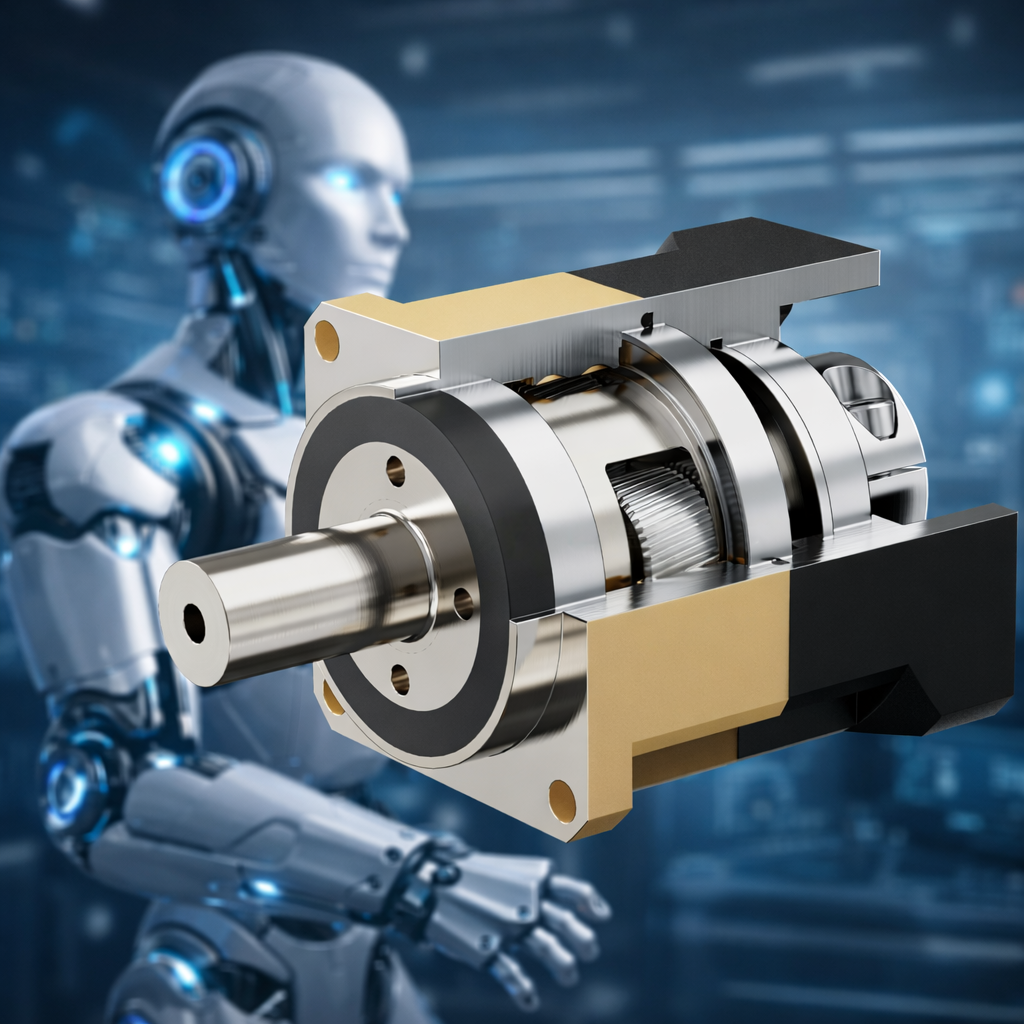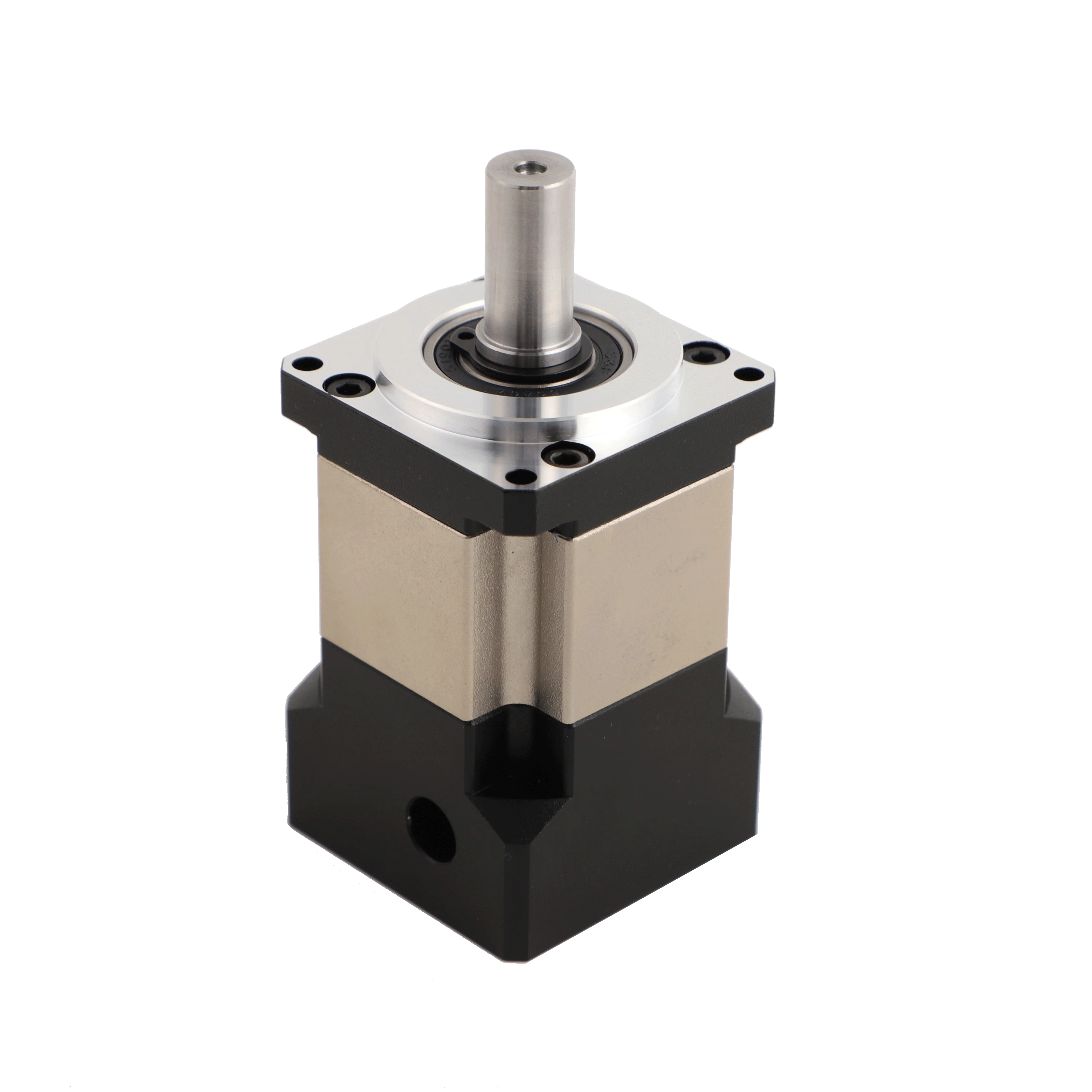
Getting a handle on how custom gearboxes work with different equipment matters a lot in practical applications. When it comes to AGVs or Automated Guided Vehicles, the main concerns are efficiency and keeping backlash under control during long hours of operation. Robotics applications need something else entirely - pinpoint accuracy for those constantly moving parts plus a small footprint since space is always at a premium. Material handling systems face their own challenges requiring gears that can pack serious torque into compact designs while standing up to impacts from heavy loads day after day. Recent research from material scientists back in 2023 found that gearboxes used in logistics automation actually go through about 37% more stress cycles compared to what industrial robots experience. This kind of data really shapes how engineers approach design decisions. Matching what the equipment actually needs to its intended use stops unnecessary complexity while still making sure there's enough torque stability when accelerating or slowing down, proper damping against vibrations that could damage delicate components, and overall lifespan that keeps pace with how intense the operations really are.
The specs we need depend heavily on how the equipment will actually be used day to day. Looking at duty cycles makes all the difference when it comes to figuring out what kind of heat resistance components need. Machines that experience frequent starts and stops, or those dealing with sudden torque spikes, often need better cooling systems to handle the extra strain. When it comes to motion patterns, gear design changes accordingly. For back and forth movements, almost no play between gears is essential if we want accurate positioning over time. Then there's the environment factor. Corrosion becomes a real problem in certain conditions. Facilities where machines get washed down regularly absolutely need IP67 seals to keep moisture out. According to recent industry research published last year, about two thirds of early gearbox failures were traced back to poor protection against environmental damage. Anyone specifying equipment should take note of actual operating conditions like extreme temperatures ranging from minus thirty degrees up to one hundred twenty, dust accumulation rates, and how often parts might come into contact with chemicals. Taking these factors seriously helps create specs that match real world demands without blowing the budget on unnecessary features.
Getting the torque and speed numbers right is basically where good custom gearbox design starts. First thing to do? Figure out those input/output RPM ratios so we know if we need to slow things down or speed them up. Let's talk about torque for a second. Nominal torque is what the system handles on a regular basis day after day. But then there's peak torque too which deals with those brief moments when something hits the gears hard, like when a lift suddenly picks up a heavy load or experiences a shock. This matters a lot in material handling equipment where loads change unexpectedly. When it comes to efficiency, most planetary gearboxes aim for somewhere between 90% and 98%. Why does this matter? Because lower efficiency means more heat buildup and higher energy bills. Take a look at this: just a 10% drop in efficiency across high cycle operations could cost around $740,000 per year according to Ponemon research from 2023. Now let's get into the math behind all this...
These calculations ensure alignment between performance goals and operational demands.
When looking beyond basic torque and speed ratings, there are actually four key factors that really matter when it comes to how reliable gearboxes will be over time. First up is backlash, which refers to that tiny gap between gears when they mesh together. For robotic arms needing pinpoint accuracy, this needs to stay well under 5 arc minutes. Then we have thermal capacity, basically what temperature the system can handle continuously. Most industrial specs call for at least 85 degrees Celsius tolerance, especially important in areas where cleaning involves water jets. Service life estimates depend heavily on those L10 bearing calculations, but don't forget about dynamic response either. This measures how vibrations behave during start-stop cycles, something absolutely critical for automated guided vehicles that constantly accelerate and brake. Studies show poor dynamic response can cut gearbox life by around 40% in repetitive motion applications according to Ponemon research from 2023. Getting these parameters right from the beginning makes all the difference in ensuring components last through actual operational demands rather than just lab tests.
The environment has a major effect on how long gearboxes last and how reliable they are over time. When temperatures get really extreme, from minus 40 degrees Celsius all the way up to 150 degrees, things start changing inside the gearbox. The oil gets thicker or thinner depending on heat, materials expand differently, so special seals become necessary along with some kind of thermal compensation design work. For places where dust or moisture could get in, like food processing plants or boats out at sea, ingress protection matters a lot. Those IP ratings (IP65 and IP67 are common ones) help keep contaminants out. Gearboxes used in washdown areas need stainless steel bodies plus coatings that resist corrosion. And when operating at high altitudes, cooling just doesn't work as well because there's less air around, cutting down efficiency somewhere between 15 and 20 percent. All these different factors need proper testing under simulated environmental conditions if we want to prevent early bearing failures or losses in performance for any custom built gearbox system.
Getting mechanical components to work together properly needs extremely accurate positioning relative to the main equipment they'll connect with. Space limitations usually mean we have to design special housings, and going compact can free up around 30 to 40 percent more room inside robotic systems. When it comes to how things attach (whether via flanges, feet, or face mounts), matching the strength requirements and handling vibrations correctly is essential. The way shafts are positioned - straight, at a right angle, or aligned center-to-center - makes a real difference in how efficiently power gets transferred. Keeping angular misalignment under about half a degree helps avoid premature wear on gears. A good practice is to create prototypes of mounting locations using 3D scanning technology first, just to double check everything lines up properly before moving into full scale manufacturing runs.
Changing the shape and angles of gears makes a big difference in how well custom gearboxes work. When we increase the helix angle, the load gets spread out better across the teeth, which means less vibration overall. Tests have shown this can cut down on noise levels by around 15 decibels. Getting the pressure angle right is tricky because it's all about finding that sweet spot between strong teeth that won't break and ones that don't create too much noise when they rub together. The size of each gear tooth matters too. Bigger teeth handle more power but also add weight to the system. Some engineers tweak something called profile shift to avoid those pesky undercuts while making sure the gears stay in contact longer during operation. All these factors are connected in complex ways, so most manufacturers rely on computer simulations to fine tune everything until they hit their goals of over 95% efficiency and keep backlash below 10 arc minutes.
Choosing materials means balancing what they can do mechanically against how much they cost. Take case-hardened steels like 20MnCr5 for instance these work great against wear in parts that cycle a lot, but come with a price tag that's 30 to 50 percent higher than regular alloys. Powder metallurgy is handy when we need complicated shapes in moderate production runs, though it does mean giving up some strength at the end of the day. Surface treatments such as carburizing will get us those hard surfaces around 60 on the Rockwell scale, but naturally takes extra time in manufacturing. When dealing with corrosion issues, stainless steel options or certain engineered plastics start looking better even though they cant handle as much load. The bottom line? Match material specs to what the part actually needs to do. Going overboard with specifications just drives up the cost of custom gearboxes without any real benefit.
Getting Design for Manufacturability (DFM) principles into the mix from day one really helps simplify production and saves everyone headaches later when expensive redesigns become necessary. When looking at gear tooth geometry, check if it works with regular cutting tools first. Those weird shapes can jack up costs anywhere between 40 to 60 percent based on recent industry standards. For supply chains dealing with specialty metals, running material traceability checks makes sense too. Nobody wants surprises down the road. Tolerance stack ups need attention as well. Most shops struggle when specs drop below IT5 grade because they need special machines that just slow things down. And don't forget about standardizing components where possible. Modular approaches have slashed lead times by around 30% in many automated manufacturing setups we've seen recently.
When looking at costs, don't stop at just the unit price. Maintenance needs, how easy spare parts are to get, and potential downtime all matter too. For smaller runs under about 50 units, it often makes more sense to go with designs that can be serviced easily rather than spending extra on fancy materials. Modular bearing housings are great here since they let technicians replace components without tearing everything apart. Thermal considerations should match up with how often lubrication is needed. Overdoing cooling systems just adds around 25% to upfront costs but doesn't really extend equipment life much. Check if service manuals are complete because incomplete documentation can push first year support expenses up by roughly $18,000 per machine according to recent industry reports. Also make sure specifications work for different production sizes. Custom fixtures start costing too much when batch sizes drop below about 200 units, making them impractical for many operations.
 Hot News
2026-09-24
2026-09-16
2026-09-16
2026-09-14
2026-09-11
2026-06-18

Copyright © 2025 by Delixi New Energy Technology (hangzhou) Co., Ltd. - Privacy policy
 EN
EN