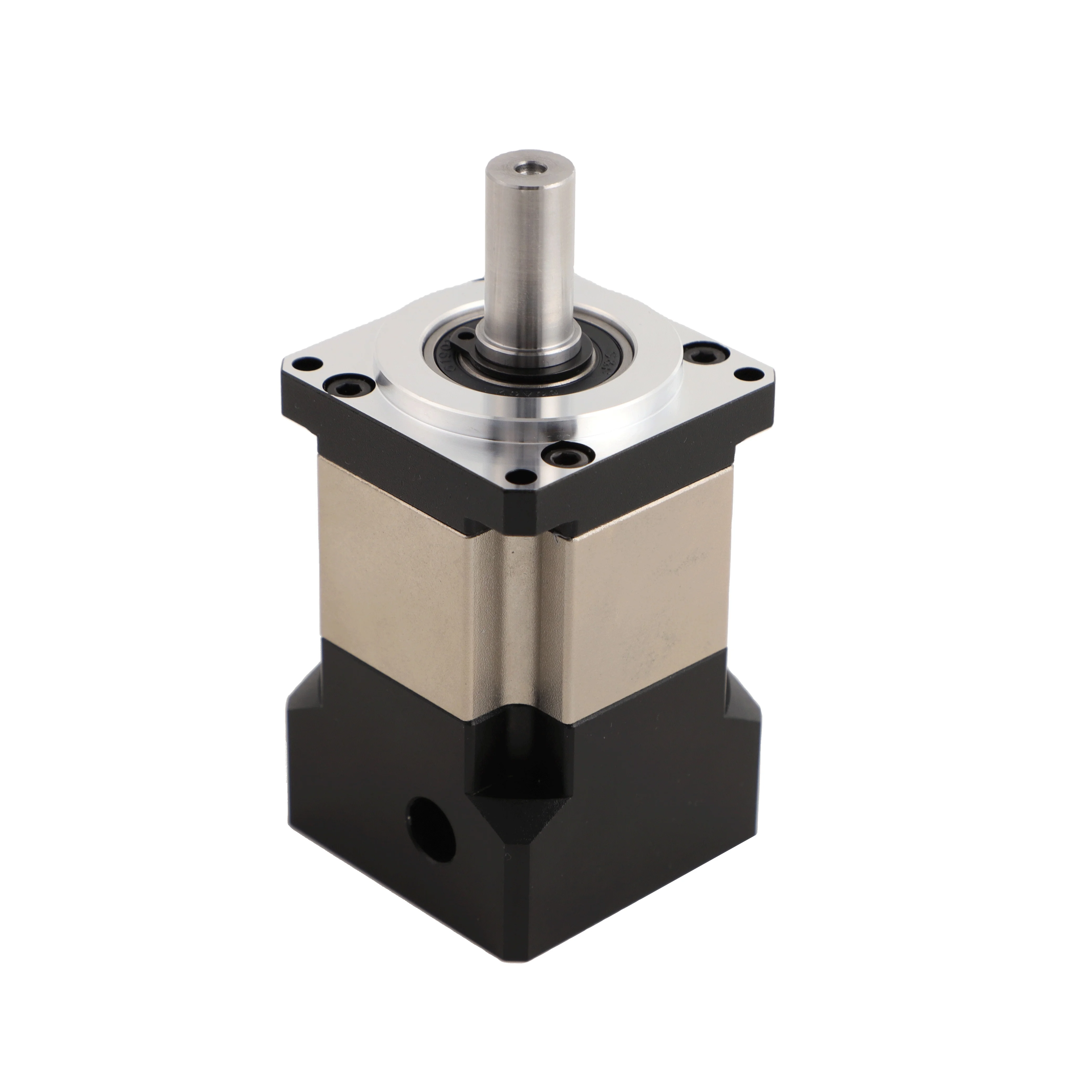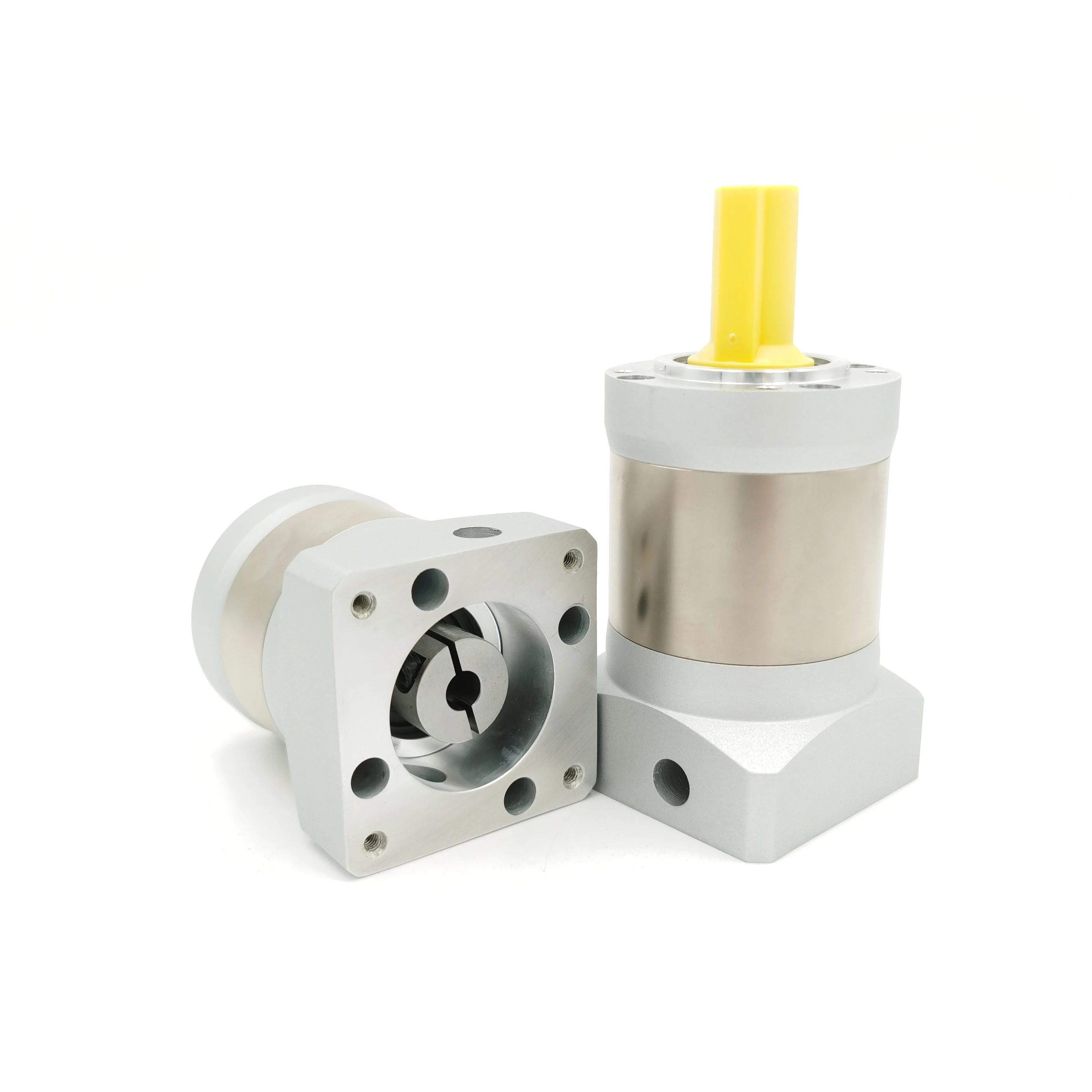
When things aren't aligned properly, it usually happens because the mounting surface was never quite right to begin with, or maybe the foundation settled over time, or there's just thermal expansion messing everything up. This creates two main problems angular deviation where shafts aren't parallel anymore or parallel offset when the shafts stay parallel but are shifted sideways. Either way, these alignment issues put extra strain on bearings and create repeating stress patterns that wear down gears, seals, and bearings much faster than normal. For equipment running under heavy loads, this kind of misalignment isn't just annoying it can actually shorten the lifespan of a custom built gearbox by nearly half according to industry data. That means companies might need to replace expensive components far sooner than expected if they don't address alignment problems early on.
Minimizing vibrational harmonics requires input and output shafts to be aligned within ±0.05° tolerance. Engineers achieve this using laser alignment tools and finite element analysis to model structural deflection under load. Proper positioning reduces resonance frequencies by 15–30%, lowering maintenance frequency and mitigating risk of catastrophic failure.
Getting gears to mesh properly really comes down to controlling three key factors. First, we need consistent module measurements according to ISO 53 standards. Then there's backlash which should stay somewhere between 20 to 40 microns. And finally, keeping the center distance within plus or minus 0.1 mm is absolutely critical. When these specs get violated, problems start showing up fast. We see things like pitting on the surfaces, pieces breaking off (that's called spalling), or even complete tooth fractures. Proper alignment makes all the difference though. With good alignment, around 99% of the gear face actually makes contact during operation. This means better power transmission through increased torque efficiency. Plus, machines just run quieter too, cutting down noise levels by approximately 12 decibels in most cases.
Matching torque capacity, rotational inertia, and duty cycle correctly to the actual application is absolutely critical. Gearboxes that are too small will fail when faced with sudden spikes in demand while ones that are oversized simply burn through unnecessary energy and eat into both initial investment and ongoing maintenance expenses. When there's a mismatch between inertia requirements and what the system actually needs, especially in robotic arms or CNC machines, this leads to all sorts of problems including inaccurate positioning and extra strain on mechanical components. How often the equipment runs determines how we handle heat and lubrication. Machines that work nonstop like conveyor belts need strong cooling systems to stay within safe temperature ranges. Equipment used intermittently such as those on packaging lines can get away with longer oil change schedules since they don't run constantly. For machinery subjected to heavy shocks like rock crushers, special bearings designed to withstand these forces become essential. Take food processing plants that operate around the clock - they typically switch to synthetic lubricants that maintain their properties even under extreme heat conditions, preventing the kind of viscosity loss that would otherwise ruin production cycles.
Successful mechanical integration hinges on four verified interfaces:
When temperatures get really extreme, they cause parts to expand thermally while making lubricants less effective both in terms of viscosity and how well they form protective films this leads to faster wear on gears and bearings. In places where there's lots of moisture in the air, corrosion becomes a real problem for important components. Studies show that this kind of corrosion can cut down on fatigue strength by around 30%. Dust and other small particles getting into machinery work just like sandpaper, causing more pits and scratches over time. Getting a good handle on what kind of environment equipment will face matters a lot because it affects decisions about what materials to use, how to seal things properly, and what sort of heat management system makes sense for the application.
For chemical processing work, stainless steel casings along with protective coatings against rust are pretty much required these days. The polymer composite seals hold up well even when temperatures swing from as cold as -40 degrees Celsius all the way up to 150 degrees. Meanwhile those IP66 rated labyrinth seals do a great job keeping out dust particles but still let heat move through properly. When it comes to lubrication, synthetic options containing oxidation inhibitors last roughly 40 percent longer compared to regular mineral oil during intense heat tests. That makes them a smart choice for tough industrial environments where downtime costs money and reliability matters most.
 Hot News
2026-09-24
2026-09-16
2026-09-16
2026-09-14
2026-09-11
2026-06-18

Copyright © 2025 by Delixi New Energy Technology (hangzhou) Co., Ltd. - Privacy policy
 EN
EN