Complete pre-start checks for brushless motor
Before powering on a brushless motor, thorough pre-start checks are essential to avoid damage and ensure safe operation. First, inspect the brushless motor’s physical condition: check for loose wires, damaged cables, or cracked housings. Verify that all connections (power, signal, feedback) are tight and correctly aligned—loose connections cause voltage drops or erratic performance. Check the motor’s mounting: ensure it’s securely fastened to a stable, level surface with all bolts tightened, as vibration from loose mounting damages internal components. Inspect the surrounding area: clear any debris, obstacles, or flammable materials that could interfere with the motor or pose hazards. Finally, confirm the power supply matches the brushless motor’s rated voltage and current—using an incompatible power source is a leading cause of motor failure. Taking 5-10 minutes for these checks sets the stage for smooth, safe operation.
Configure controller parameters for brushless motor
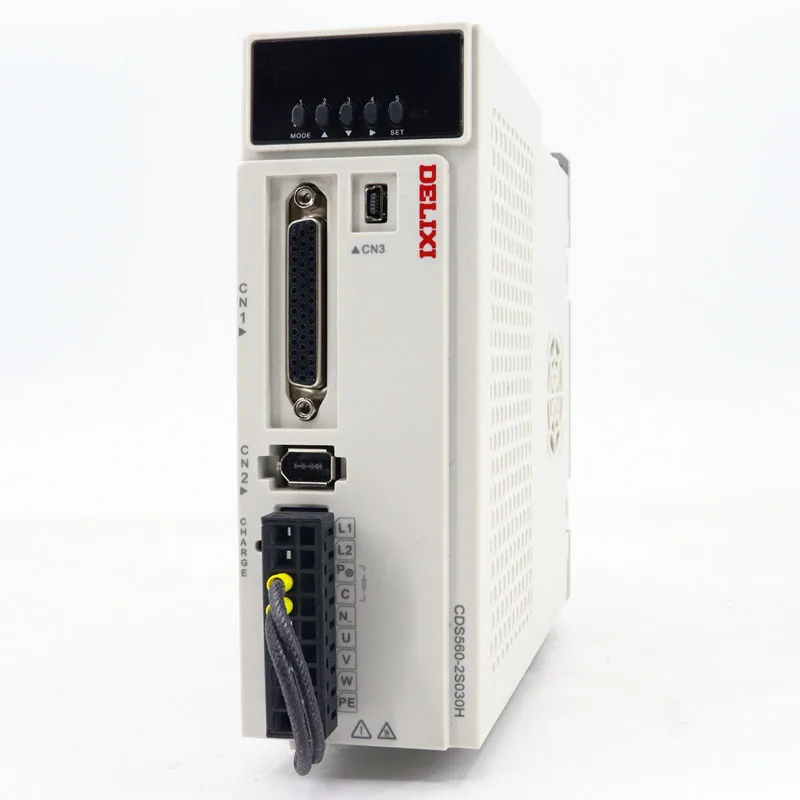
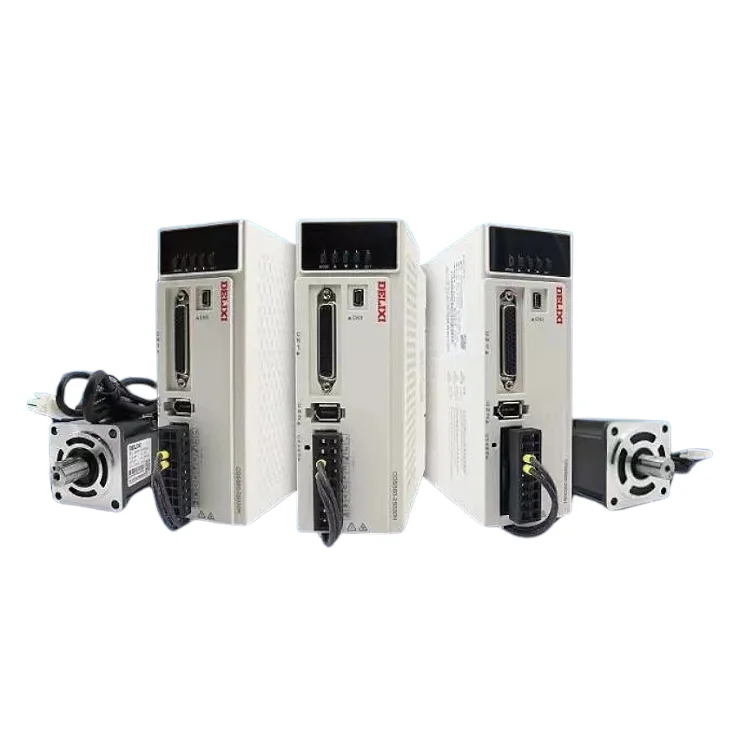
Brushless motors require a compatible controller to operate, and correct parameter configuration is key to optimal performance. Start by connecting the controller to the brushless motor following the manufacturer’s wiring diagram—ensure power, signal, and encoder/feedback wires are connected correctly (mixing these up can damage both components). Access the controller’s settings (via a keypad, software, or remote interface) and input the brushless motor’s specifications: rated voltage, current, speed, and pole pair count. Set the control mode (e.g., speed mode, torque mode, position mode) based on your application—for example, use position mode for precision movements and speed mode for constant rotational speed. Adjust acceleration and deceleration rates to gradual values (avoid sudden spikes) to reduce stress on the motor. Test the parameter settings with a low-speed, no-load run before applying the full load—this helps identify configuration errors early. Proper controller setup ensures the brushless motor operates within its safe limits and delivers the desired performance.
Follow correct startup procedures for brushless motor
Starting a brushless motor improperly can cause mechanical shock or electrical damage, so following the right sequence is critical. First, ensure the load is properly connected (if applicable) and that there’s no obstruction to rotation. Turn on the power supply to the controller, then activate the controller’s enable signal—never power the motor directly without the controller. Start with a no-load or light-load test: set the motor to a low initial speed (e.g., 10-20% of rated speed) and observe its operation. Check for abnormal noises (grinding, whining), vibration, or overheating—if any issues arise, shut down immediately and recheck connections or parameters. Gradually increase the speed to the desired level, allowing the motor to stabilize at each stage. For brushless motors with variable loads, avoid sudden load changes—ramp up the load incrementally to prevent current surges. Following a gradual, controlled startup protects the brushless motor and ensures it integrates smoothly with the system.
Adhere to safe operating practices during brushless motor use
Safe operation during the brushless motor’s runtime is vital to prevent accidents and extend its lifespan. Never exceed the motor’s rated limits: avoid overloading (exceeding torque capacity), overspeeding (surpassing maximum rated speed), or operating at voltages outside the specified range. Monitor key indicators continuously: use a temperature gauge to check the motor’s housing temperature (keep it below the manufacturer’s limit, usually 80-100°C), and listen for unusual sounds that signal wear or misalignment. Keep hands, tools, and loose clothing away from the motor’s rotating parts—use guards if the motor is accessible to personnel. Avoid operating the brushless motor in extreme environments (excessive heat, moisture, dust) without proper protection; use enclosures or filters to shield it from contaminants. If the motor stalls or malfunctions, shut down the controller first, then disconnect the power—never attempt to troubleshoot while the motor is energized. Following these practices minimizes risks and keeps the motor running reliably.
Perform proper shutdown and post-operation maintenance
Correct shutdown and regular maintenance after operation are essential to keep the brushless motor in good condition. To shut down, first reduce the motor’s speed to zero gradually—avoid sudden stops that cause mechanical stress. Disable the controller, then turn off the power supply to the system. For motors with high inertia loads, allow the motor to coast to a stop naturally or use the controller’s deceleration function. After shutdown, perform basic maintenance: clean the motor’s surface with a dry cloth to remove dust and debris, especially from cooling vents (blocked vents cause overheating). Inspect wires and connections for signs of wear, corrosion, or loosening—tighten any loose fasteners and replace damaged cables. Check the motor’s bearings for smooth rotation (if accessible) and lubricate them according to the manufacturer’s schedule. For long-term storage, disconnect the motor from the controller, clean it thoroughly, and store it in a clean, dry, temperature-controlled environment. Proper shutdown and maintenance ensure the brushless motor is ready for future use and prolong its service life.
 Hot News
 EN
EN