Handle slot die with care to protect precision components
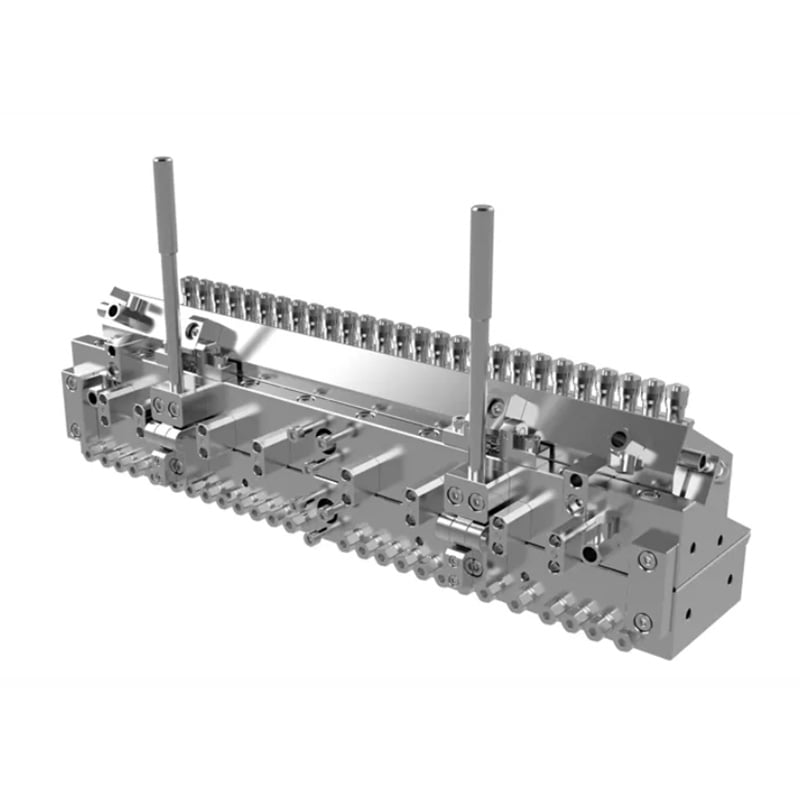
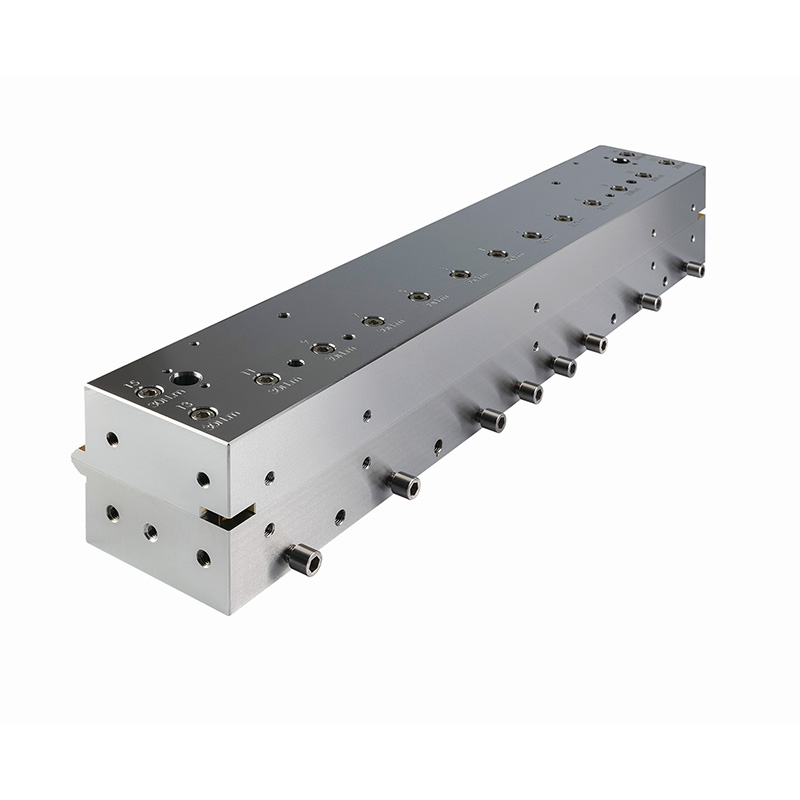
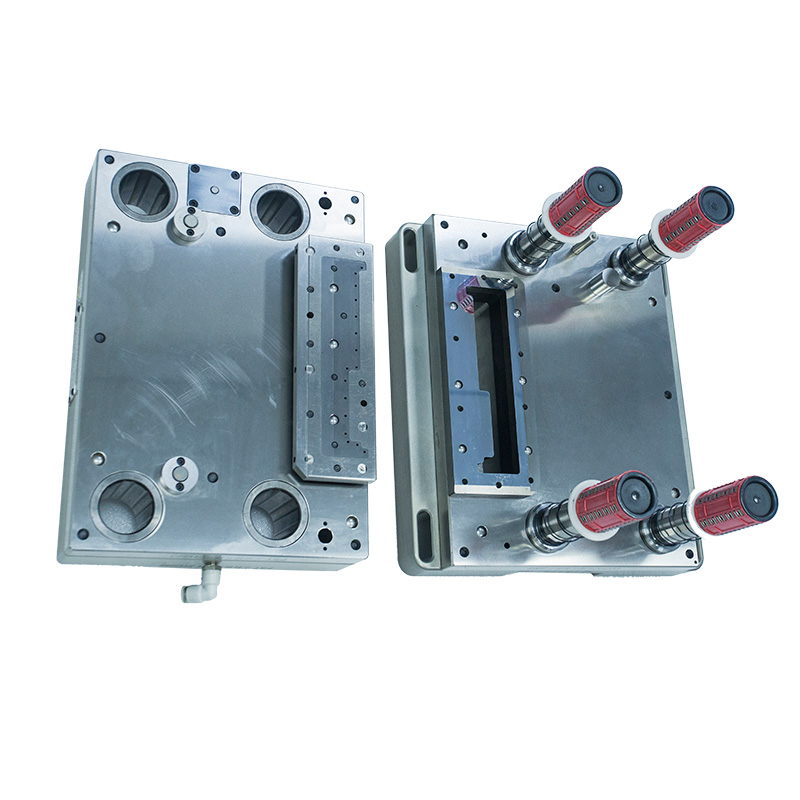
The slot die’s core value lies in its precision—even minor damage to critical parts like die lips or internal channels causes coating defects. When handling the slot die, always hold it by the non-critical housing, never touching the sharp, polished die lips. These lips are microscopically smooth; a single fingerprint, scratch, or dust particle can create streaks or uneven coating lines. Avoid placing the slot die on hard, unprotected surfaces—use a soft, clean cloth or foam pad to cradle it. Never drop, bump, or stack objects on the slot die, as impacts can bend the die body or misalign internal components. For transportation, use the manufacturer’s custom case with foam inserts to secure the slot die and prevent movement. Gentle handling preserves the slot die’s precision, eliminating defects caused by physical damage.
Maintain strict cleanliness during slot die handling
Contamination is the leading cause of coating defects like pinholes, streaks, and uneven thickness—and it often stems from improper slot die handling. Before touching the slot die, wash your hands thoroughly or wear lint-free gloves to avoid transferring oil, dirt, or skin cells. Keep the handling area clean and free of dust, debris, or loose coating material. When attaching or detaching hoses, fittings, or fasteners, wipe the connection points with a lint-free cloth dampened with a compatible solvent to remove any buildup. Never use compressed air to blow off the slot die—this can force dust into internal channels or scratch the die lips. For storage between uses, cover the slot die with a clean, dry dust cover. Strict cleanliness during handling ensures no contaminants interfere with the slot die’s dispensing, keeping coating surfaces smooth and uniform.
Follow proper installation and alignment procedures for slot die
Incorrect installation or misalignment during slot die handling leads to defects like edge bead, off-center coating, or uneven layer thickness. When mounting the slot die to the coating system, use a level and alignment tools to ensure it’s perfectly parallel to the substrate. Tighten mounting bolts in a crisscross pattern with a torque wrench, applying the exact force specified by the manufacturer—over-tightening warps the die body, while under-tightening allows vibration-induced misalignment. Avoid dragging or sliding the slot die across the mounting plate, as this scratches the base or alters alignment. When connecting fluid lines, ensure hoses are free of kinks or debris and attach them gently to avoid damaging the slot die’s inlet ports. Proper installation and alignment, guided by careful handling, ensure the slot die dispenses material evenly across the substrate.
Handle coating materials properly to avoid slot die clogs
Coating material contamination or improper handling causes clogs in the slot die’s internal channels, leading to inconsistent flow and defects like gaps or splotches. Before filling the system, filter the coating material through a fine-mesh filter to remove particles that could block the slot die’s narrow openings. Avoid exposing the material to dust, moisture, or air bubbles—use sealed containers and bleed the lines thoroughly before connecting to the slot die. When switching materials or shutting down, flush the slot die immediately with a compatible solvent to prevent dried residue from building up. Never allow coating material to sit idle in the slot die for extended periods, as it can harden and clog channels. Proper material handling ensures smooth flow through the slot die, eliminating defects caused by blockages or inconsistent fluid properties.
Implement consistent post-use handling and maintenance for slot die
Poor post-use handling often leads to long-term slot die damage that manifests as recurring coating defects. After each use, clean the slot die thoroughly: wipe the die lips with a soft, lint-free cloth soaked in solvent (avoid abrasive materials), flush internal channels with fresh solvent, and dry all parts with clean air (filtered to remove moisture and dust). Inspect the slot die for signs of wear, damage, or contamination during cleaning—address minor issues immediately to prevent them from worsening. Store the slot die in a clean, dry, temperature-controlled environment, away from direct sunlight or harsh chemicals. Avoid stacking or piling tools on top of the stored slot die. Consistent post-use handling and maintenance keep the slot die in optimal condition, ensuring it continues to produce defect-free coatings over its service life.

 Hot News
 EN
EN