Stability of voltage and current from a power supply is critical to the speed control of a dc motor. A dc motor has a power supply that provides energy to the motor and a voltage. For a separately excited dc motor, speed is approximately proportional to the armature voltage under constant excitation current. If the supply voltage is unstable, the speed of the dc motor will be unstable, making it impossible to achieve stable rotation. For example, with a 10% operating voltage drop, the speed of the dc motor will drop proportionally, impacting the equipment being driven by the motor. In addition, the dc motor is not able to provide power during speed regulation (adjusting the speed) if the current is insufficient due to a lack of power, especially under load conditions. To prevent this, a good quality stabilized power supply should be used. In addition, it should match the dc motor’s rated voltage & current. The output of the power supply should be monitored on a regular basis with a multimeter to avoid speed instability due to power supply issues.
Excitation current is the most important factor affecting the strength of the magnetic field of the dc motor. This factor is also quite important for the regulation of speed. In the case of shunt-wound dc motors, to decrease the excitation current is to weaken the magnetic field—which, within a safe range, increases the speed of the motor. On the contrary, increasing the excitation current strengthens the magnetic field and thus decreases the speed. In addition, too little excitation current weakens the magnetic field to the point that the dc motor is able to “run away”, where the speed of the motor exceeds the safe limit, which is tremendously damaging. On the opposite side of the equation, an excessive amount of excitation current is increasing the iron loss and thus the heat, which negatively impacts the efficiency and the life of the dc motor. A running controller for the current is the best way to provide smooth regulation of speed. Look at the excitation winding before running (to detect damages or to find a short circuit to the excitation winding) is mandatory. In case there is a partial short circuit to the excitation winding, the regulation of speed is affected negatively (i.e. unevenly) because the magnetic field will also become uneven.
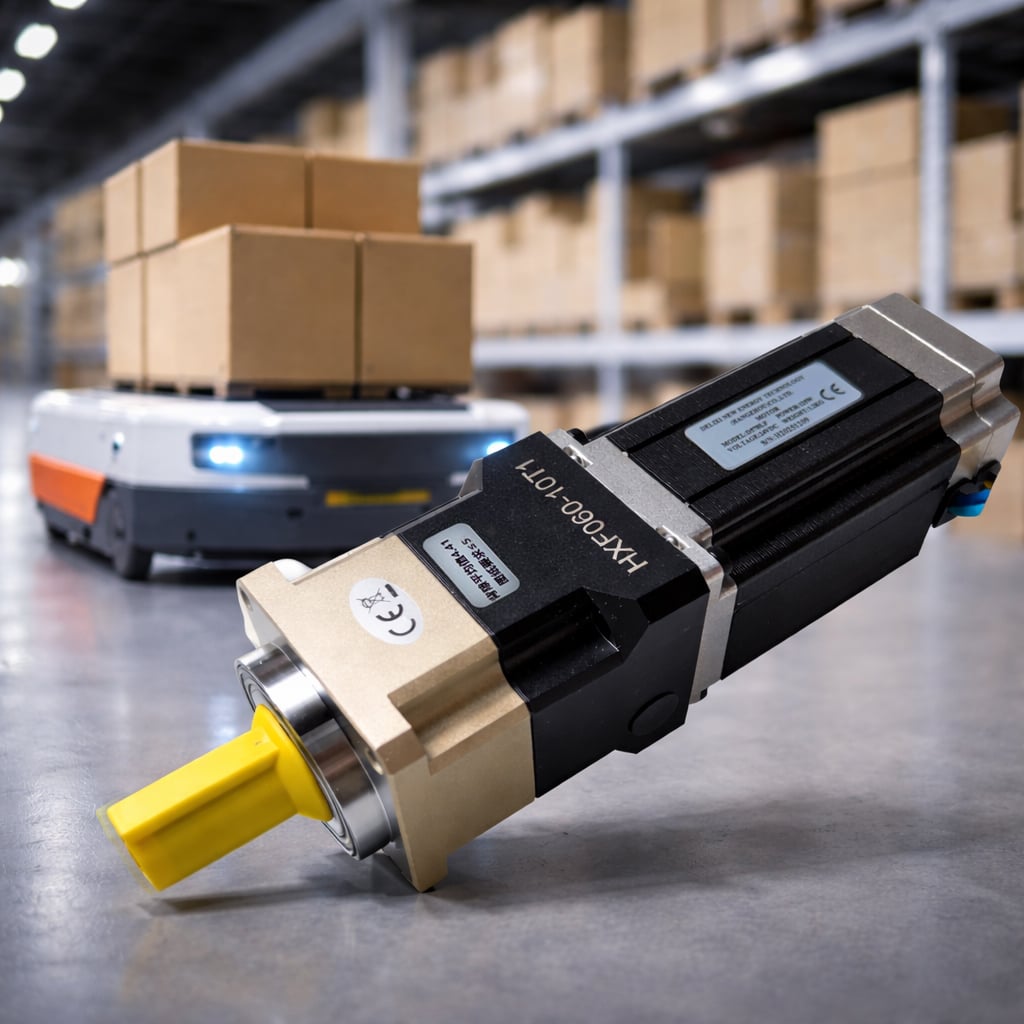
The type and size of load directly influences a DC motor’s performance and ability to regulate speed. Each motor has a maximum load capacity, and when the load applied to the motor changes, the speed will fluctuate. If the load is too large, the DC motor will need to produce more output torque in order to maintain its rotation. This will likely cause the speed to drop significantly, even if the voltage/current excitation is adjusted. For instance, when a DC motor powers a conveyor belt, and the number of items to be transported suddenly increases, the DC motor will slow down. There are also different types of loads, which affect the ability to regulate speed. For example, constant torque loads (like lifts) require the DC motor to maintain a constant torque even when there are changes in speed. In contrast, variable torque loads (like fans) is a type of load in which the torque operates in relation to the speed. In selecting a DC motor, ensure that the motor is suitable to the type of load to be applied. For example, a motor that has a torque output that is insufficient will lead to a heavy load that will lead to poor speed regulation. Lastly, when a DC motor is operating do not suddenly impose large changes in load. This is not good, because it will cause the DC motor to continuously change and readjust its outputs. This will lead to poor and unstable rotational speed and will also result in a large amount of wear.
Motor quality and parameters internally are important for stable speed regulation. There are several parts that affect how the motor reacts to speed adjustments: armature resistance, winding turns, and rotor inertia. When a dc motor has less armature resistance, there is less voltage drop and speed regulation can become more sensitive and precise. The amount of winding turns also affects the motor’s back EMF. If there is a lack of winding, there will not be a stable back EMF and the speed will not be stable. The amount of rotor inertia is very important also. the dc motors that have a smaller rotor inertia can accelerate or decelerate more and therefore can improve the speed regulation more. Component quality is also very important. more worn bearings means more friction, which means the dc motor will be more energized and the speed control will be more difficult. There will be an increase of poor contact, which creates poor commutators and this will lead to poor inter speed changes. Because of this, you need to pick dc motors that provide high precision manufacturing and check core components on a regular basis. Replace worn bearings, keep commutators clean and not damaged, and make sure the windings are all there.
Degree of matching and control system (like a variable frequency drive or PWM controller) determine how well the system regulates dc motors. Control system outputs should be high, stable, and in response to the input control signals. Control signals should vary in accordance to the motor. Poor control systems may exhibit slow signal outputs and slow response. Such a poor system results in poor and unstable motor speed. Improper controller-dc motor matching is a common problem. A controller with lower power limits than the dc motor results in poor control. On the other hand, a controller with too high a power range can lead to high and unstable currents and speed. A 1.3KW dc motor should be paired with a controller of similar power capacity for best performance. Control system algorithms also influence speed regulation. More sophisticated algorithms can accommodate dynamic changes to the speed in response to changing load. Control systems should be directly calibrated, and the system software updated, if it is not new, to minimize control signals lag in the system. Ensure that the controller-dc motor wiring is tight to prevent signal interference or loss of current.
 Hot News
2026-09-24
2026-09-16
2026-09-16
2026-09-14
2026-09-11
2026-06-18

Copyright © 2025 by Delixi New Energy Technology (hangzhou) Co., Ltd. - Privacy policy
 EN
EN